

Cabbage is one of the most traditional vegetables grown in UK gardens, yet it is also one of the most frequently misunderstood. It has a reputation for being difficult, constantly attacked by pests, or producing disappointing results. In reality, cabbage is a steady, reliable crop when its needs are understood and respected.
Most cabbage failures do not come from bad luck. They come from planting at the wrong time, rushing soil preparation, or expecting cabbage to behave like faster, lighter crops. Cabbage rewards gardeners who plan ahead, prepare properly, and allow the plant to grow at its own pace.
Cabbage is part of the brassica family and shares many characteristics with broccoli, cauliflower, kale, and Brussels sprouts. Those shared traits explain why similar problems appear across these crops. If you have not already done so, it is worth reading growing brassicas in the UK, which explains how this crop family behaves as a whole. This guide focuses specifically on cabbage, building on those wider principles.
How Cabbage Grows and Why That Matters
Cabbage does not grow quickly. It follows a steady, deliberate pattern, building a strong framework of leaves before forming a head. Only once the plant is well established does it begin to tighten and produce the familiar shape most gardeners expect.
This growth pattern is the key to understanding cabbage. Anything that interrupts early development — cold soil, drought, overcrowding, root disturbance — can affect the final result months later. Cabbage rarely recovers fully from early stress.
Unlike short-term crops such as salads or radishes, cabbage cannot simply “catch up”. Once growth slows, head formation is compromised. This is why timing, soil condition, and stability matter so much with this crop.
Cabbage also occupies the ground for a long time. Even faster summer varieties may remain in place for three to four months. Winter cabbages can occupy soil for most of the year. That long commitment makes planning far more important than with many other vegetables.
Types of Cabbage Grown in the UK
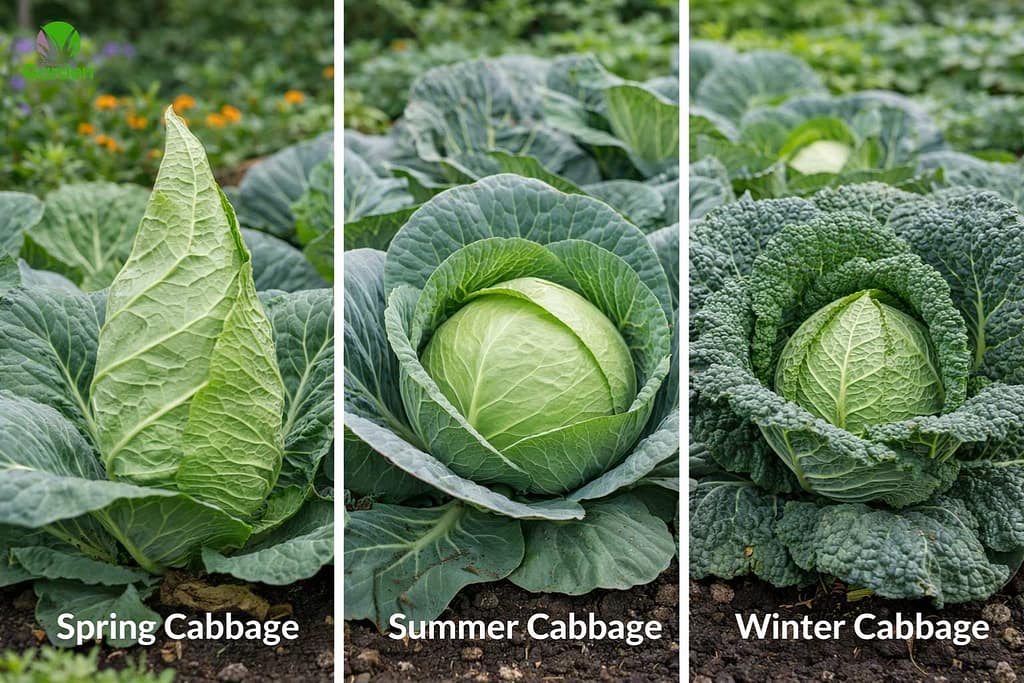
Cabbages are best grouped by the season in which they are harvested. These groups are not interchangeable. Each has different planting windows, growth rates, and vulnerabilities. Choosing the right type for your garden and timetable avoids many common mistakes.
Spring Cabbage
Spring cabbages are planted in late summer or early autumn and overwintered in the ground. They are harvested in early spring, often at a time when few other fresh vegetables are available.
These cabbages form loose, pointed heads rather than dense, round ones. Their value lies in their timing rather than their size or weight. Expecting spring cabbages to behave like summer varieties often leads to disappointment.
Because spring cabbages grow slowly through winter, soil structure and drainage are critical. Waterlogged ground weakens roots and increases the risk of disease. Firm planting helps prevent frost heave and wind rock during winter storms.
Summer Cabbage
Summer cabbages are planted in spring and harvested from early to mid-summer. They form round or slightly flattened heads and grow more quickly than winter types.
Despite their faster growth, summer cabbages still require steady conditions. Dry spells, overcrowding, or nutrient imbalance often result in smaller heads or uneven development.
These varieties suit most UK gardens and are often the best starting point for gardeners gaining confidence with brassicas.
Autumn Cabbage
Autumn cabbages sit between summer and winter types. They are planted in spring and harvested in late summer or early autumn.
They benefit from consistent moisture and moderate feeding throughout the season. Growth checks during hot weather are a common cause of loose or poorly formed heads.
Winter Cabbage
Winter cabbages are long-season crops planted from late spring into early summer. They remain in the ground for many months and are harvested through autumn and winter.
Because of their long growing period, winter cabbages demand careful planning. They need firm soil, generous spacing, and steady nutrition over time. Rushed planting or poor soil preparation almost always shows later in the season.
Choosing the Right Place to Grow Cabbage
Cabbage grows best in an open position with good light and some shelter from strong winds. While it tolerates cooler conditions better than many vegetables, it does not cope well with prolonged exposure or drying winds.
Wind rock is one of the most common and overlooked causes of poor cabbage growth. Repeated movement at the base of the plant damages fine roots, slowing growth and reducing nutrient uptake.
A position that receives sun for most of the day, but is not fully exposed, allows plants to grow steadily without unnecessary stress. Light shelter from hedges, fences, or neighbouring crops often makes a noticeable difference.
Wind, Stability, and Long-Season Crops
Cabbage plants have large outer leaves that catch the wind. In exposed gardens, even healthy plants can struggle to anchor properly. This problem becomes more pronounced the longer the crop remains in the ground.
Long-season cabbages face similar challenges to Brussels sprouts, which are also vulnerable to wind rock over extended growing periods. In both cases, stability early on influences performance much later.
Firm soil helps reduce movement, but positioning remains important. Avoid planting cabbage at the edge of exposed plots where wind funnels through.
Light Levels and Shade
Cabbage needs good light to grow well. Plants grown in shade develop slowly, produce looser heads, and are more vulnerable to pests.
Light shade for part of the day is usually tolerated, particularly in hot summers. Deep or prolonged shade, however, almost always leads to disappointing results.
Planning Space and Ground Use
Because cabbage occupies ground for a long time, it must be planned into the garden rather than fitted in as an afterthought. This is particularly true for winter varieties, which can remain in place for eight months or more.
Planting cabbage where you later need space for summer crops often leads to compromise. Crowding, late transplanting, or early removal all reduce the quality of the harvest.
Planning cabbage positions alongside other long-season crops creates a more stable rotation and reduces pressure to move plants later.
Cabbage and Crop Rotation
Cabbage should not be grown repeatedly in the same soil. Like other brassicas, it is prone to pest and disease build-up when grown in the same place year after year.
Rotating cabbage with crops that have different nutrient demands and pest profiles helps maintain soil health and reduces problems over time.
Firm-soil crops such as onions are often used elsewhere in the rotation, as they tolerate lower nitrogen levels and help balance soil use without encouraging excessive leafy growth.
Rotation planning does not need to be complex, but it does need to be intentional. Repeated cabbage failures are often a sign that soil and positioning have been overlooked rather than a problem with the crop itself.
Understanding Expectations Before You Plant
Cabbage is not a crop that rewards impatience. It grows steadily, responds directly to its environment, and reflects early decisions later in the season.
Understanding how cabbage grows, how long it occupies the ground, and how sensitive it is to early stress sets realistic expectations. Those expectations shape better decisions about soil preparation, spacing, watering, and feeding — all of which follow next.
Preparing Soil for Cabbage
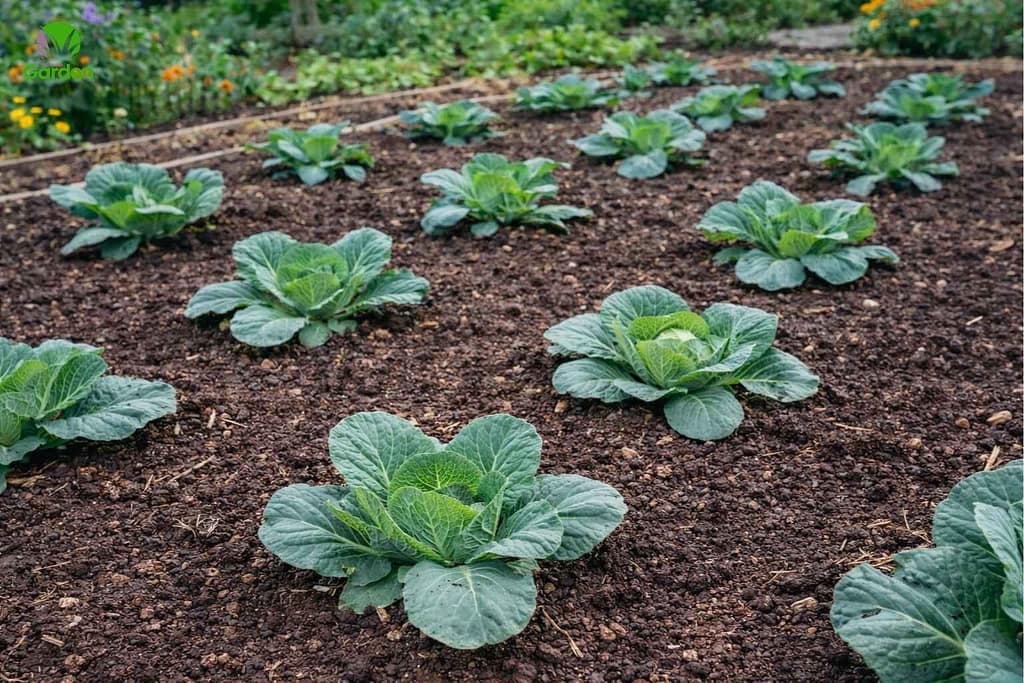
Soil preparation is the single most important factor in successful cabbage growing. More cabbage problems can be traced back to poor soil preparation than to pests, weather, or variety choice. Cabbage does not need complicated soil, but it does need soil that has been prepared with care and allowed to settle.
Cabbage grows best in soil that is fertile, moisture-retentive, and firm. Loose or freshly dug ground may look appealing, but it often causes instability, slow growth, and increased pest pressure. The goal is to create soil that supports steady, uninterrupted development.
Why Firm Soil Matters for Cabbage
Cabbage plants anchor themselves deeply. In loose soil, roots struggle to grip properly, and plants are easily rocked by wind. This constant movement damages fine roots and interrupts nutrient uptake.
The effects of loose soil are rarely immediate. Plants may look healthy at first, only to stall later in the season when heads should be forming. At that stage, the damage has already been done.
Firm soil allows roots to remain stable and supports even growth throughout the plant’s life. This stability becomes increasingly important the longer cabbage remains in the ground.
When and How to Prepare the Soil
Ideally, soil for cabbage should be prepared several weeks before planting. This gives time for any organic matter to integrate and for the soil structure to settle naturally.
If the soil is poor or light, incorporate well-rotted compost or manure well ahead of planting. Avoid using fresh manure immediately before planting, as this encourages soft growth and can damage young roots.
After incorporating organic matter, leave the soil undisturbed. Avoid repeated digging or cultivation right up until planting time. The more the soil is worked, the longer it takes to settle.
Soil Type Considerations in UK Gardens
Heavy clay soils often suit cabbage well once properly prepared. They retain moisture and nutrients, which cabbage benefits from. However, drainage must be addressed, as waterlogging weakens roots and encourages disease.
Light or sandy soils drain quickly and warm faster, but they dry out easily. In these soils, adding organic matter is essential to improve moisture retention and nutrient availability.
Regardless of soil type, the aim is consistency. Cabbage struggles in soil that swings between extremes of wet and dry.
Managing Fertility Without Overfeeding
Cabbage is a hungry crop, but heavy feeding at planting time often causes more harm than good. Excess nitrogen produces lush leaf growth at the expense of firm head formation. It also attracts pests.
The best approach is to build fertility into the soil ahead of time rather than applying large amounts of feed at planting. Once plants are established, feeding can be adjusted based on growth.
Balanced fertility supports steady development. Rapid growth followed by checks almost always leads to poorer-quality heads.
When to Plant Cabbage in the UK
Correct planting time is critical for cabbage. Plant too early and growth slows in cold, wet soil. Plant too late and plants struggle to establish before pest pressure increases.
Planting windows vary depending on the type of cabbage, but all share the same requirement: conditions that allow steady early growth.
Planting Spring Cabbage
Spring cabbages are planted in late summer or early autumn. They must establish before winter without making too much soft growth.
Planting too early encourages excessive leaf growth that is vulnerable to frost. Planting too late results in weak plants that struggle through winter.
Planting Summer and Autumn Cabbage
Summer and autumn cabbages are planted from mid to late spring. Soil should be warming and reasonably moist. Cold, saturated soil slows root development and weakens plants.
Avoid planting just before a dry spell. Early drought stress often shows up later as uneven or loose heads.
Planting Winter Cabbage
Winter cabbages are planted from late spring into early summer. They need time to develop strong root systems and sturdy frames before autumn.
Delaying planting shortens the growing season and increases the risk of poor head formation later.
Raising Cabbage from Seed or Buying Plants
Most cabbages perform better when transplanted rather than sown directly. Raising plants in modules allows early growth to take place under controlled conditions.
Seedlings raised well develop compact root systems that establish quickly when planted out. This early strength has a lasting effect on performance.
Bought plants can also perform well if they are healthy and not root-bound. Avoid plants that are tall, pale, or already stressed.
Hardening Off Before Planting
Before planting outside, young cabbage plants should be hardened off gradually. Sudden exposure to wind, cold, or strong sun can cause growth checks.
Introduce plants to outdoor conditions over several days. This reduces stress and improves establishment.
Spacing Cabbage Correctly
Spacing has a direct impact on cabbage quality. Crowded plants compete for light, water, and nutrients. They also restrict airflow, increasing disease risk.
Most cabbages require between 30 and 45 centimetres between plants. Larger winter varieties need more space than compact summer types.
Generous spacing may look wasteful early on, but it almost always results in better heads.
Planting Technique
Plant cabbage firmly, setting the root ball at the same depth it was growing previously. Press soil in well around the plant to remove air pockets.
Water thoroughly after planting to settle soil around the roots. This encourages quick establishment and reduces early stress.
If conditions are dry or windy, consider temporary protection to help plants settle in. Even short-term stress at planting time can affect growth weeks later.
Why Establishment Sets the Tone for the Whole Season
Cabbage that establishes quickly develops stronger roots, sturdier leaves, and greater resilience. These plants cope better with pests, weather fluctuations, and minor damage.
Weak plants rarely catch up. Problems that appear later often have their roots in the establishment phase.
Getting soil preparation and planting right does not guarantee success, but getting them wrong almost guarantees disappointment. Everything that follows builds on this foundation.
Caring for Cabbage Through the Growing Season
Once cabbage is established, it responds best to steady, consistent care. Frequent intervention rarely improves results and often creates new problems. The goal throughout the season is to maintain even growth and avoid stress.
Cabbage that grows steadily forms firmer heads, copes better with pests, and is more resilient to weather fluctuations. Plants that experience repeated checks in growth are far more likely to disappoint.
Watering Cabbage Consistently
Cabbage has a high water demand, particularly as heads begin to form. Inconsistent watering is one of the most common causes of loose heads, splitting, and uneven development.
Water deeply rather than little and often. This encourages roots to grow downwards and improves stability. Shallow watering leads to shallow roots, which dry out quickly and stress the plant.
During dry periods, maintaining even moisture is more important than the total amount of water applied. Allowing soil to dry out completely between watering almost always causes growth checks.
Mulching to Maintain Moisture
Mulching helps conserve moisture and reduce competition from weeds. It is most effective once plants are well established and the soil has warmed.
Apply mulch evenly, keeping it clear of the stem base. Heavy mulches piled against the stem can encourage rot and slug damage.
Mulching is particularly helpful on lighter soils, where moisture loss is rapid during warm weather.
Feeding Cabbage Without Encouraging Problems
Cabbage benefits from additional feeding during active growth, but restraint is essential. Overfeeding, especially with nitrogen, produces lush leaves at the expense of firm heads.
Apply feed once plants are growing strongly and continue moderately through the head-forming stage. Avoid heavy feeding late in the season, which increases the risk of splitting.
If growth is steady and leaf colour is healthy, additional feeding is often unnecessary. Cabbage performs best when growth is even rather than fast.
Protecting Cabbage from Pests
Cabbage attracts pests such as cabbage white caterpillars, aphids, and slugs. This pressure is normal and should be expected rather than feared.
Healthy plants tolerate some damage. Weak plants, particularly those stressed early on, struggle to recover.
Preventing Problems Early
Netting young plants early is one of the most effective ways to reduce pest damage. Once pests become established, control becomes far more difficult.
Regular inspection helps catch problems early. Removing caterpillars by hand or washing off aphids is often sufficient when done promptly.
Overreacting with treatments often disrupts beneficial insects and creates longer-term issues.
Common Problems When Growing Cabbage
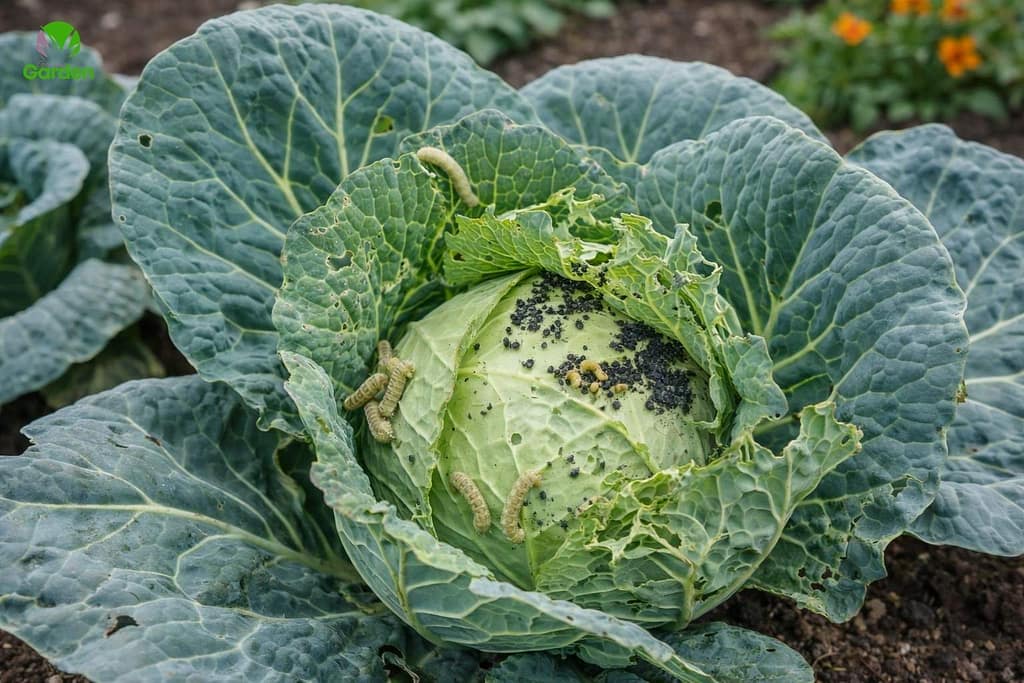
Most cabbage problems are symptoms of stress rather than disease. Understanding what caused the stress is more useful than focusing on the symptom alone.
Loose or Poorly Formed Heads
Loose heads are usually caused by interrupted growth. Common triggers include drought, overcrowding, nutrient imbalance, or planting at the wrong time.
Once a head has formed poorly, it cannot be corrected. The focus should shift to preventing the same issue in future plantings.
Splitting Heads
Splitting often occurs after heavy rain following a dry period. Rapid water uptake causes the head to expand faster than the outer leaves can stretch.
Maintaining even moisture and harvesting promptly once heads are mature reduces the risk.
Yellowing Leaves
Yellowing leaves are commonly linked to nutrient imbalance or inconsistent watering. Lower leaves may yellow naturally as the plant matures, which is not usually a concern.
Widespread yellowing combined with poor growth indicates stress earlier in the season.
Harvesting Cabbage at the Right Time
Harvest timing affects both quality and storage. Cabbage should be harvested when heads are firm and well formed, but before splitting occurs.
Leaving mature heads in the ground for too long increases the risk of splitting and pest damage. Harvesting promptly often improves overall yield by freeing space for other crops.
Use a sharp knife to cut heads cleanly at the base. In some cases, secondary heads may form after harvesting, particularly with spring cabbages.
Cabbage FAQs
Why won’t my cabbage form a head?
Cabbage usually fails to form a head because growth was interrupted earlier in the season. Cold soil, drought, overcrowding, or root disturbance can all slow development. Once growth is checked, cabbage rarely recovers fully.
Can I still eat cabbage with pest damage?
Yes, in most cases. Outer leaves are often damaged by caterpillars or aphids, but the inner head is usually unaffected. Removing damaged outer leaves is normally enough before use.
How long does cabbage take to grow?
Most cabbages take between three and six months from planting to harvest, depending on the type. Spring and summer cabbages grow more quickly, while winter cabbages stay in the ground much longer.
A Sensible Place to Start
Cabbage is not a difficult crop, but it is an honest one. It responds directly to how well it is planned, planted, and cared for. Shortcuts early on almost always show later.
Start by choosing the right type of cabbage for the season you want to harvest. Prepare soil well in advance, plant firmly, and focus on steady, consistent care. When those foundations are in place, cabbage becomes one of the most dependable vegetables you can grow in a UK garden.