

If you’ve ever followed gardening advice carefully and still ended up disappointed, your soil is usually the reason — even if nobody said so clearly. Most of the time, disappointment comes back to the soil — so the most useful starting point is improving soil health steadily.
In UK home gardens, soil health is rarely dramatic. It doesn’t collapse overnight, and it doesn’t improve instantly either. It changes slowly, quietly, and often invisibly. That’s why so many gardeners underestimate it, or assume a quick fix will do.
This guide is about what actually works for improving soil health in real UK gardens — not idealised allotments, not laboratory soil, and not miracle products.
We’ll start at the very beginning: what soil health really means, how UK soil behaves, and why improving it is more about patience and consistency than effort or expense.
What “Soil Health” Actually Means (Without the Jargon)
Soil health isn’t about how dark your soil looks, how expensive your compost is, or whether worms appear on demand.
Healthy soil is soil that can:
- Drain excess water without drying out completely (the practical side of this is covered in how to improve garden drainage in UK soil)
- Hold nutrients long enough for plants to use them
- Allow roots to grow without resistance
- Support soil life naturally, not artificially
In plain terms, healthy soil works with you, not against you.
Unhealthy soil creates problems that look unrelated:
- Plants wilting even when watered
- Yellowing leaves despite feeding
- Poor harvests from otherwise healthy plants
- Seeds failing for no obvious reason
These are often the first signs described in why plants fail in “good” soil, where soil structure is usually the hidden issue.
The mistake many beginners make is treating these as plant problems. In reality, they’re soil problems showing symptoms above ground.
Why Soil Health Is Especially Important in UK Gardens
UK soil has a few challenges that don’t always get talked about honestly.
The UK climate works against quick fixes
- Frequent rainfall compresses soil
- Mild winters prevent a natural soil “reset”
- Heavy soils stay cold and wet for long periods
- Light soils lose nutrients quickly
This is why gardeners often struggle with gardening after a wet winter, even when they haven’t changed anything else.
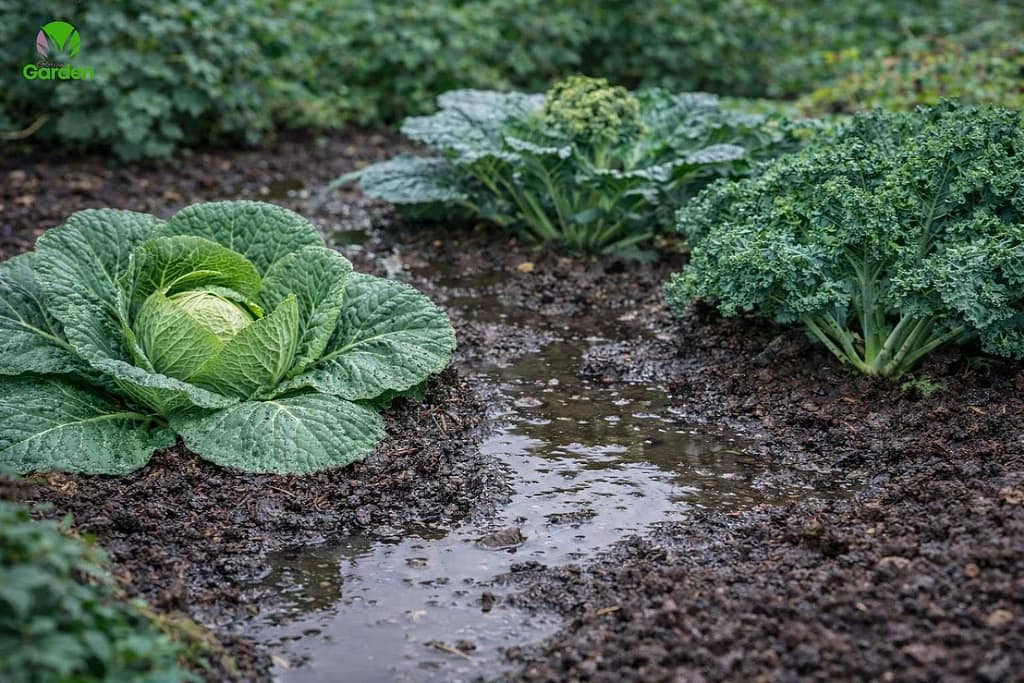
It also means:
- Soil structure breaks down easily
- Nutrients wash away faster than expected
- Overworking soil causes more harm than good
Improving soil in the UK is rarely about adding more. It’s about doing less, more carefully.
Common UK Soil Types (And Why Most Gardens Are Mixed)
Many gardeners try to label their soil as one thing: clay, sandy, chalky, or loam.
In reality, most UK gardens are mixed and disturbed, especially in newer housing areas.
You may have:
- Clay subsoil with imported topsoil
- Sandy soil compacted by years of walking
- Chalk influence with organic matter layered on top
This is why advice aimed at single soil types often falls short. Articles like the easiest crops for heavy clay soil exist because adaptation matters more than labels.
Understanding this matters because:
- Advice for “perfect” soil types often doesn’t apply
- Different beds behave differently
- Improvements should suit the worst-performing areas first
Soil Structure vs Soil Fertility (A Crucial Difference)
This is where a lot of gardening advice quietly fails.
Soil fertility is about nutrients
Soil structure is about space
You can have fertile soil that plants still struggle in.
Why?
Because roots need air.
Water needs somewhere to go.
Microbes need space to live.
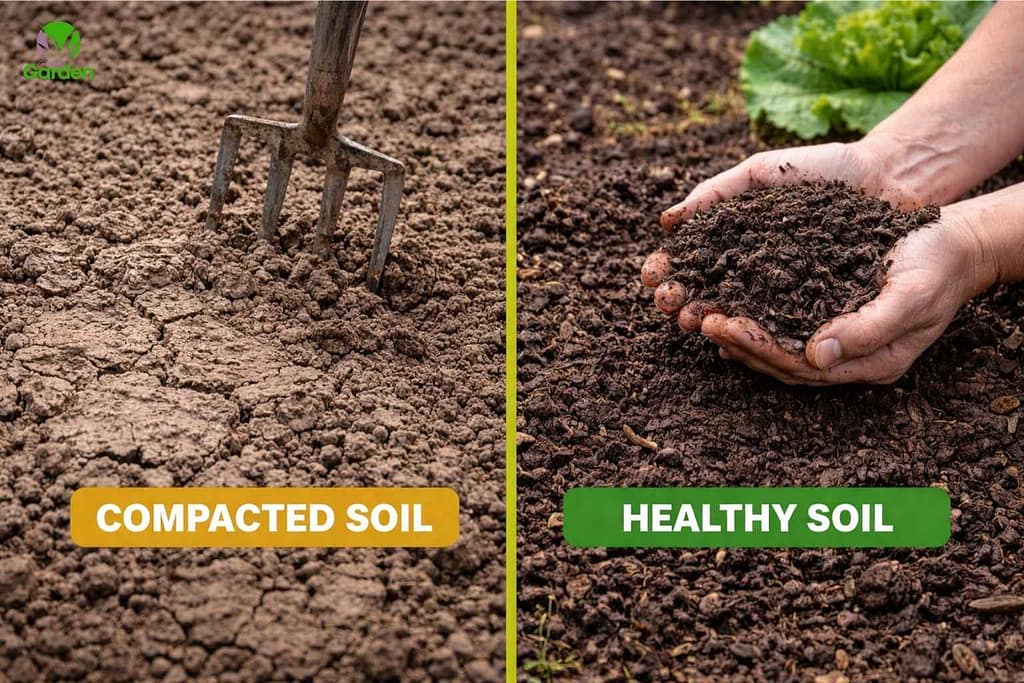
This becomes very clear when looking at how to tell if your soil is compacted, where feeding alone rarely solves the issue.
Structure always comes first.
What Damages Soil Health in Home Gardens (Often Without Realising)
Very few gardeners actively ruin their soil. Most damage comes from good intentions.
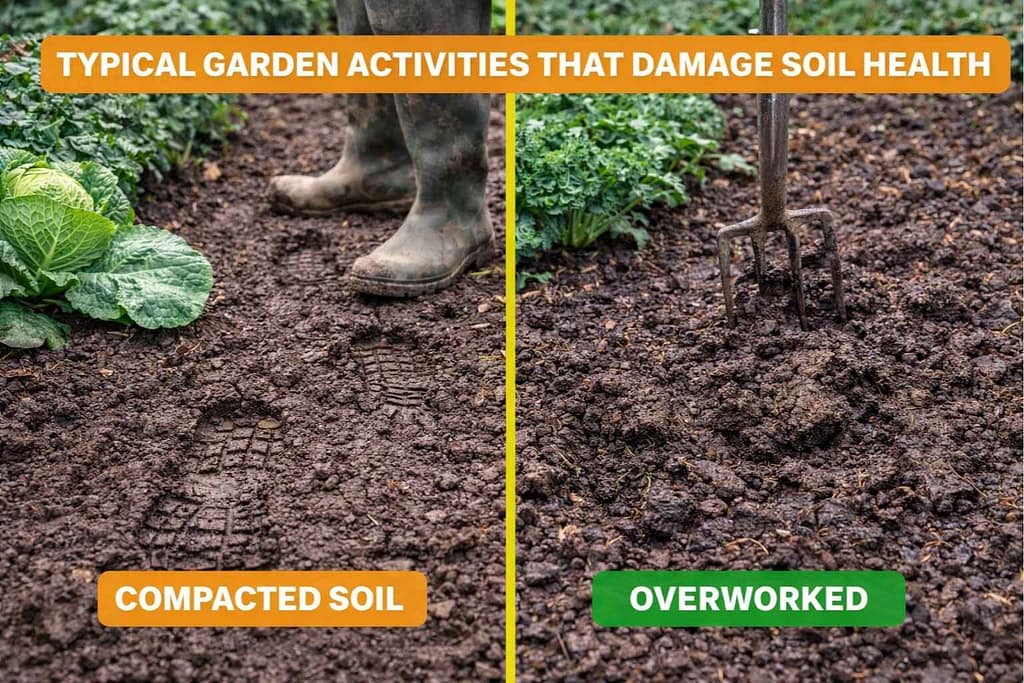
Digging too often
Digging:
- Breaks soil structure
- Destroys fungal networks
- Encourages compaction underneath
This is explored in more detail in should you dig or not dig in UK gardens, where the answer is usually more nuanced than yes or no.
Occasional digging isn’t a problem. Constant disturbance is.
Walking on growing areas
Repeated pressure:
- Collapses air pockets
- Forces water to sit on the surface
- Makes root growth harder
This is a common cause of poor performance in beds that otherwise look fine, especially when combined with poor drainage in garden soil.
Even light foot traffic adds up over time.
Overfeeding and overwatering
Adding fertiliser doesn’t fix soil.
Overwatering pushes air out of it.
This often leads to confusion when gardeners experience problems covered in why vegetable plants grow leaves but no crop.
Both practices create short-term growth followed by long-term problems.
The Slow Reality of Improving Soil Health
This needs to be said clearly.
You cannot:
- Fix soil in a weekend
- Reverse compaction instantly
- Create perfect soil in one season
But you can:
- Notice improvements within months
- See better drainage within a year
- Grow stronger, more resilient plants surprisingly quickly
Understanding how long it takes to improve soil helps set realistic expectations and prevents unnecessary changes.
Soil improvement works like compound interest. Small, consistent actions add up.
Signs Your Soil Health Is Already Improving
Progress is often subtle.
Look for:
- Soil breaking apart more easily
- Less surface water sitting after rain
- Plants recovering faster after stress
- Fewer extreme problems overall
Many gardeners notice these changes before they see yield improvements, especially when following advice in feeding the soil vs feeding the plant.
These are real improvements, even if yields haven’t doubled yet.
Why Bags of Compost Don’t Automatically Fix Soil
Bagged compost can help:
- Add organic matter
- Improve surface texture
- Support young plants
But it cannot:
- Fix deep compaction
- Repair damaged structure below
- Replace long-term soil care
This is why questions like is bagged compost worth it for UK home gardens come up so often.
Used well, compost is a support — not a solution.
What This Guide Will Cover (And What It Won’t)
This pillar focuses on:
- Realistic UK home gardening
- Long-term soil improvement
- Understanding why things work
It avoids:
- Miracle claims
- Overly technical soil science
- One-size-fits-all fixes
Each section links out to focused guides such as organic matter explained, compost myths, and why mulch sometimes makes things worse.
How to Use This Guide Properly
This isn’t a checklist.
It’s a reference.
Read it once.
Apply slowly.
Return to it when problems appear.
Supporting articles will always link back here, reinforcing this page as your main soil authority hub.
Organic Matter: What It Really Is (And What It Isn’t)
Organic matter is one of the most talked-about concepts in gardening — and one of the most misunderstood.
In simple terms, organic matter is anything that was once alive and is now breaking down in the soil. That includes plant material, composted waste, leaf mould, and well-rotted manure.
What organic matter is not:
- Fertiliser on its own
- A quick fix
- Something that works the same way in every soil
Many problems begin when gardeners treat organic matter as a product rather than a process.
This misunderstanding is explored in more depth in organic matter explained: what counts and what doesn’t, because not everything labelled “organic” behaves the way people expect.
Why Organic Matter Matters More Than Nutrients
Nutrients feed plants.
Organic matter supports the soil that feeds plants.
That distinction matters.
Organic matter improves soil by:
- Creating space for air and water
- Helping soil hold moisture without becoming waterlogged
- Slowing nutrient loss in light soils
- Loosening heavy soils over time
Without organic matter, nutrients tend to:
- Wash straight through sandy soil
- Lock up in compacted clay
- Become unavailable despite being present
This is why feeding alone often disappoints, especially in gardens struggling with plants failing despite regular feeding.
How Organic Matter Behaves in UK Soils
UK soils respond differently to organic matter depending on their starting point.
In heavy or clay-based soils
Organic matter:
- Improves drainage slowly
- Creates better structure over time
- Reduces surface cracking in dry weather
But it does not:
- Instantly “turn clay into loam”
- Eliminate waterlogging overnight
This is why patience is emphasised in how long it takes to improve soil, particularly for clay-heavy gardens.
In light or sandy soils
Organic matter:
- Helps soil retain moisture
- Holds nutrients longer
- Reduces the need for constant watering
However:
- It breaks down faster
- Needs topping up regularly
This explains why gardeners with sandy soil often feel like improvements “don’t last”.
Compost: Helpful Tool, Not a Cure-All
Compost is often sold as the answer to almost every garden problem.
In reality, compost is best thought of as:
- A soil conditioner
- A surface improver
- A support for soil life
Not as:
- A structural repair for deep soil
- A substitute for good soil habits
This distinction is why articles like is bagged compost worth it for UK home gardens are important — compost works best when expectations are realistic.
Bagged Compost vs Homemade Compost
Both have a place in UK gardens.
Bagged compost
Pros:
- Convenient
- Consistent
- Useful for containers and top dressing
Cons:
- Often peat-free blends behave differently
- Limited long-term impact on deeper soil
- Can be expensive over time
Homemade compost
Pros:
- Improves soil biology gradually
- Builds long-term resilience
- Uses garden waste productively
Cons:
- Takes time
- Quality varies
- Needs patience
Many gardeners combine both, which is usually the most sensible approach.
Why Adding Compost Sometimes Makes Things Worse
This surprises many people.
Compost can cause problems when:
- Applied too thickly
- Used on already waterlogged soil
- Worked into compacted soil without addressing structure
In these cases, compost can:
- Seal the surface
- Hold excess moisture
- Reduce oxygen levels
This is closely linked to problems discussed in why mulch sometimes makes things worse, where timing and thickness matter more than the material itself.
Feeding the Soil vs Feeding the Plant
This is one of the most important mindset shifts in gardening.
Feeding the plant
- Focuses on quick growth
- Relies on soluble nutrients
- Often masks underlying issues
Feeding the soil
- Supports long-term plant health
- Improves nutrient availability naturally
- Reduces reliance on frequent feeding
The difference is explained fully in feeding the soil vs feeding the plant, but the key idea is simple:
healthy soil feeds plants more reliably than products do.
Why Overfeeding Backfires in Home Gardens
Overfeeding is incredibly common — and usually unintentional.
It often leads to:
- Lush leaf growth with poor flowering or fruiting
- Weak root systems
- Increased pest and disease pressure
This is why gardeners often end up searching for answers to why vegetable plants grow leaves but no crop, when the real issue lies below the surface.
Soil Life: The Quiet Workforce You Don’t See
Healthy soil is alive.
It contains:
- Bacteria
- Fungi
- Worms
- Micro-organisms
These organisms:
- Break down organic matter
- Make nutrients available
- Improve soil structure naturally
Disturbing soil constantly, or relying only on chemical inputs, disrupts this system.
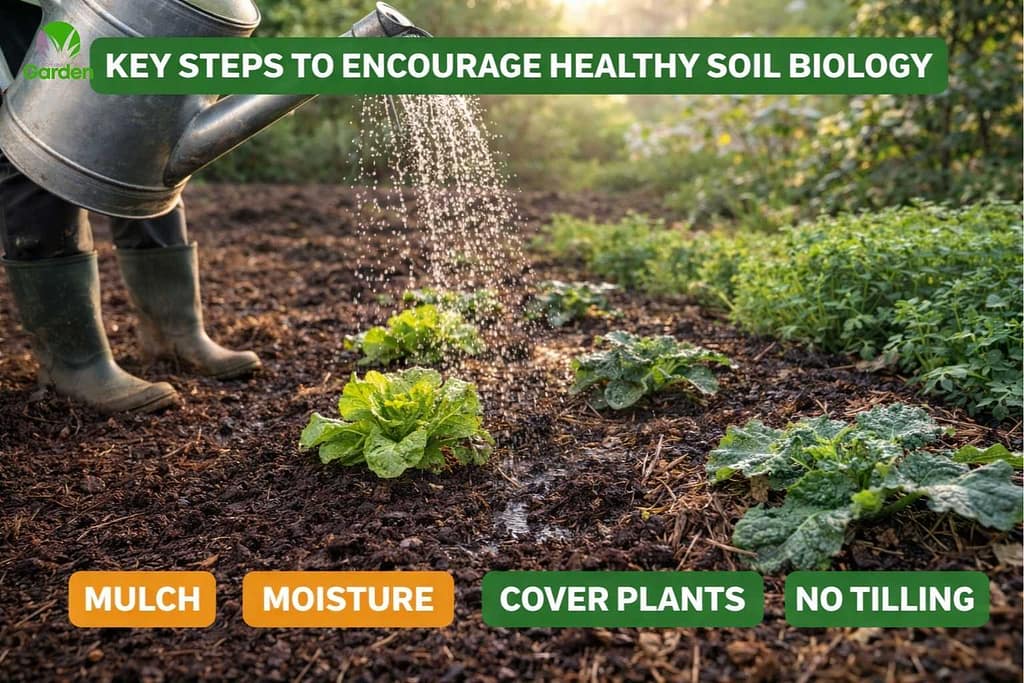
This is one reason reduced digging often leads to improvements over time, as explored in should you dig or not dig in UK gardens.
Why Worms Appear (Or Don’t)
Worms don’t appear because soil is “good”.
They appear because conditions suit them.
They need:
- Organic matter
- Moist but not waterlogged soil
- Minimal disturbance
Chasing worms directly rarely works.
Improving conditions does.
Mulch, Organic Matter, and Compost Are Not the Same Thing
These terms are often used interchangeably — incorrectly.
- Compost improves soil structure and biology
- Organic matter is the broader category
- Mulch protects and regulates the soil surface
Using the wrong material at the wrong time is a common cause of frustration, particularly after wet winters or cold springs.
Timing Matters More Than Quantity
In UK gardens, when you add organic matter often matters more than how much.
Poor timing can:
- Trap cold in spring
- Hold excess moisture
- Delay planting
Good timing supports:
- Gradual warming
- Better root establishment
- Less stress on plants
This is especially relevant after periods covered in gardening after a wet winter, when soil needs recovery, not pressure — something explained more fully in how to improve garden soil in the UK.
How to Build Soil Health Without Constant Inputs
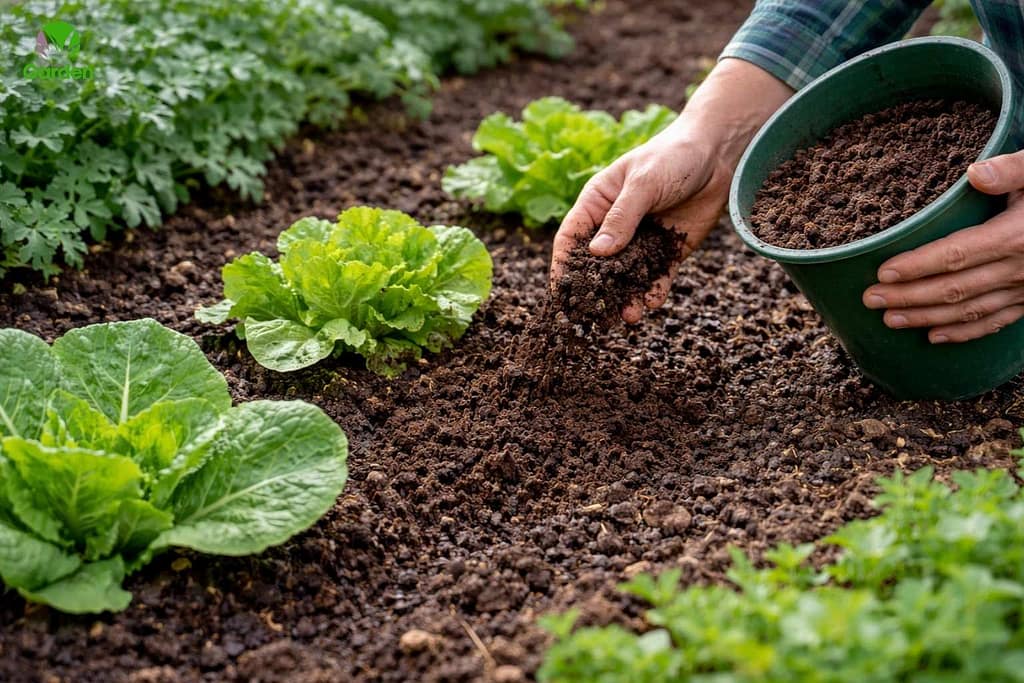
The goal isn’t to keep adding more things.
It’s to:
- Disturb less
- Cover soil when possible
- Add organic matter steadily
- Let biology do the work
This approach reduces effort over time — something many gardeners only realise after several seasons.
What Progress Looks Like at This Stage
After improving organic matter practices, gardeners often notice:
- Better moisture balance
- Fewer extreme plant problems
- Less need for feeding
- More consistent growth
These changes usually appear before dramatic visual soil changes — which is normal.
Soil Compaction: The Problem Most Gardeners Don’t See
Soil compaction is one of the most common reasons UK gardens struggle — and one of the least recognised.
Compacted soil:
- Looks fine on the surface
- Feels hard underneath
- Holds water poorly
- Restricts root growth
Many gardeners assume poor growth is due to nutrients or weather, when the real issue is that roots simply can’t move.
This is why guides like how to tell if your soil is compacted are so important — compaction often hides in plain sight.
How Soil Becomes Compacted in Home Gardens
Compaction doesn’t require heavy machinery.
It often comes from:
- Walking on beds year after year
- Digging when soil is wet
- Repeated planting in the same spots
- Construction work during house builds
In newer UK gardens especially, compacted subsoil is extremely common, even when the top layer looks good.
Why Compaction Causes So Many Different Problems
When soil is compacted:
- Air can’t circulate
- Water drains slowly or unevenly
- Roots stay shallow
- Soil life struggles
This leads to issues that feel unrelated:
- Wilting despite watering
- Yellow leaves despite feeding
- Stunted growth
- Crops failing halfway through the season
These symptoms often show up in articles like why plants fail in “good” soil, because the surface appearance is misleading.
Fixing Compaction: What Helps and What Doesn’t
This is where expectations matter.
What does NOT fix compaction quickly
- Adding fertiliser
- Topping with compost alone
- Watering more
What DOES help over time
- Reducing foot traffic
- Adding organic matter gradually
- Avoiding digging when wet
- Letting roots and soil life do the work
In severe cases, careful initial loosening may help, but ongoing disturbance usually slows recovery.
This balance is explored in should you dig your garden soil or not, where context matters more than rules.
Drainage Problems in UK Gardens
Drainage is closely linked to compaction, but they aren’t the same thing.
Poor drainage may mean — as covered in why garden soil stays wet for so long:
- Water pooling after rain
- Soil staying cold and wet
- Plants rotting rather than drying out
This is especially common after prolonged rainfall, as discussed in gardening after a wet winter.
Why Improving Drainage Isn’t About Adding Grit
One of the most persistent myths is that adding sand or grit fixes drainage.
In reality:
- Adding grit to clay often makes it worse
- It can create a concrete-like texture
- It doesn’t address underlying structure
Drainage improves when:
- Soil structure improves
- Organic matter creates channels
- Roots and worms open pathways
This is slow, but reliable.
Raised Beds: Helpful, But Not a Shortcut
Raised beds can:
- Improve surface drainage
- Warm up faster in spring
- Reduce compaction from walking
But they don’t:
- Fix underlying subsoil
- Eliminate soil care
- Replace long-term improvement
They work best when combined with good soil practices, not as a workaround for ignoring soil below.
Seasonal Soil Care in UK Gardens
Soil health isn’t static. It changes with the seasons.
Spring
Spring soil is often:
- Cold
- Wet
- Easily damaged
Key principles:
- Avoid working wet soil
- Keep additions light
- Let soil warm naturally
This prevents setbacks that take months to undo.
Summer
Summer brings:
- Drying
- Compaction from watering
- Nutrient demand
Focus on:
- Mulching lightly
- Maintaining moisture balance
- Avoiding overfeeding
Many mid-season issues relate to mistakes discussed in why mulch sometimes makes things worse.
Autumn
Autumn is one of the best times to care for soil.
Ideal for:
- Adding organic matter
- Protecting soil surface
- Letting winter biology work
This is when improvements quietly begin.
Winter
Winter soil needs rest.
Avoid:
- Digging
- Heavy additions
- Walking on beds
Let freeze–thaw cycles and soil life do their work naturally.
Why Less Effort Often Leads to Better Soil
One of the biggest mindset shifts for gardeners is realising that doing less can improve soil faster.
Constant intervention:
- Breaks structure
- Disrupts biology
- Resets progress
Steady, minimal care:
- Builds resilience
- Reduces problems
- Makes gardening easier over time
This is why experienced gardeners often seem relaxed — their soil is doing the work.
How Long-Term Soil Health Reduces Garden Problems
Healthy soil doesn’t eliminate problems, but it softens them.
Gardeners with improving soil often notice:
- Fewer pests overall
- Faster recovery after stress
- More consistent harvests
- Less reliance on products
This is why soil-first gardening feels slower at the start but easier every year after.
When to Intervene (And When Not To)
Not every problem needs action.
Intervene when:
- Soil stays waterlogged for long periods
- Roots consistently fail
- Beds decline year after year
Hold back when:
- Soil is slowly improving
- Problems are weather-related
- Changes are already working
This judgement improves with observation — not products.
Measuring Progress Without Obsessing
You don’t need tests or gadgets.
Simple checks work:
- Can you push a fork in more easily?
- Does water soak in more evenly?
- Do plants establish faster?
These signs matter more than numbers.
Where to Go Next (Depending on Your Soil)
If your garden struggles year after year, the fastest way forward is to tackle the most limiting issue first — not to keep adding more products.
If you suspect soil is tight, water sits on the surface, or plants stay shallow-rooted, start here: how to tell if your soil is compacted.
If your main issue is water sitting for days after rain, focus on drainage habits and structure first rather than grit and quick fixes.
If you’re mostly trying to build better soil over time (with less effort each year), follow a simple, steady routine: how to improve garden soil in the UK.
A Sensible Place to Start
Healthy soil doesn’t improve because you keep adding things to it.
It improves when you stop putting it under pressure.
Before changing methods, buying products, or digging everything over, start with three simple habits:
• Keep feet off growing areas wherever possible
• Avoid working soil when it is wet or sticky
• Add small amounts of organic matter steadily, not in big bursts
Then give it time.
Watch how water drains after rain.
Notice how easily roots grow when planting.
Pay attention to which beds improve fastest.
Those small observations will guide you better than any quick fix ever will.
If you focus on protecting soil structure first, everything else — feeding, watering, plant health, and harvests — becomes easier over time.
That quiet, steady improvement is what real soil health looks like in UK gardens.