

Why vegetable plants grow slowly in UK gardens is one of the most common frustrations home growers face, especially when plants appear healthy but show little progress week after week.
You prepare your beds carefully, plant at the right time, water regularly, and wait for growth to take off.
Instead, development feels painfully slow.
Leaves remain small, stems stay thin, and crops seem frozen in place while neighbouring gardens appear far more productive.
Many gardeners immediately assume slow growth means plants need feeding. Fertiliser is added, growth improves briefly, then slows again.
In most UK gardens, slow plant growth is not caused by lack of nutrients. It is almost always linked to soil conditions, root stress, moisture imbalance, and temperature — all of which affect how efficiently plants can grow.
Once these underlying factors are understood, improving growth becomes far easier and far more consistent — and our guide to keeping vegetable plants healthy in the UK explains how these issues link together.
Quick Answers: Why Vegetable Plants Grow Slowly in UK Gardens
Why do vegetable plants grow slowly in the UK?
Because cold, wet soil and poor soil structure restrict root growth, oxygen flow, and steady nutrient uptake.
Does fertiliser fix slow plant growth?
Usually no. Slow growth is most often caused by soil conditions rather than lack of nutrients.
Why does growth improve later in summer?
Warmer soil, better drainage, and stronger root activity allow plants to grow more efficiently.
Is slow growth a watering problem?
Not normally — it is usually caused by uneven moisture movement in poorly structured soil.
What Slow Growth Really Tells You About Your Soil
Plants grow quickly only when their roots can access water, oxygen, and nutrients steadily.
When any of these are restricted, growth slows dramatically.
Slow growth usually means one or more of the following is happening:
- roots cannot expand properly
- oxygen levels are too low in soil
- water moves unevenly through the ground
- nutrients are present but unavailable
- soil temperature is limiting root activity
In UK gardens, these problems commonly occur together rather than individually.
Why UK Soil Conditions Naturally Slow Plant Growth
The UK climate creates unique challenges for vegetable gardening.
Long wet winters, heavy rainfall, mild temperatures, and slow soil warming in spring all influence how quickly plants can establish.
Soil often remains saturated for weeks, pushing oxygen out of the root zone.
When spring arrives, soil may still feel cold and dense beneath the surface.
Roots growing in cold, wet soil function poorly even if moisture and nutrients are present.
This is why many UK gardeners notice plants sitting still for long periods before suddenly picking up later in the season.
Cold Soil: One of the Biggest Growth Blockers in the UK
Soil temperature plays a huge role in plant growth speed.
Most vegetable roots slow dramatically below about 10°C.
UK spring soils frequently remain below this for weeks after air temperatures rise.
Cold soil slows:
- root expansion
- nutrient uptake
- microbial activity
- water movement
Plants may look alive but struggle to grow at a normal pace.
This is not a feeding issue — it is a temperature and soil structure issue.
How Waterlogged Soil Holds Growth Back
When soil stays wet for long periods, air spaces fill with water.
Roots need oxygen to respire and grow.
Without enough oxygen:
- root tips slow or stop growing
- nutrient absorption decreases
- beneficial microbes decline
Plants growing in wet soil often show slow, weak development even though moisture is abundant.
Compacted Soil and Restricted Root Growth
Compaction is one of the most common hidden reasons vegetables grow slowly in UK gardens.
When soil becomes dense:
- roots struggle to penetrate deeper layers
- water drains unevenly
- oxygen movement is restricted
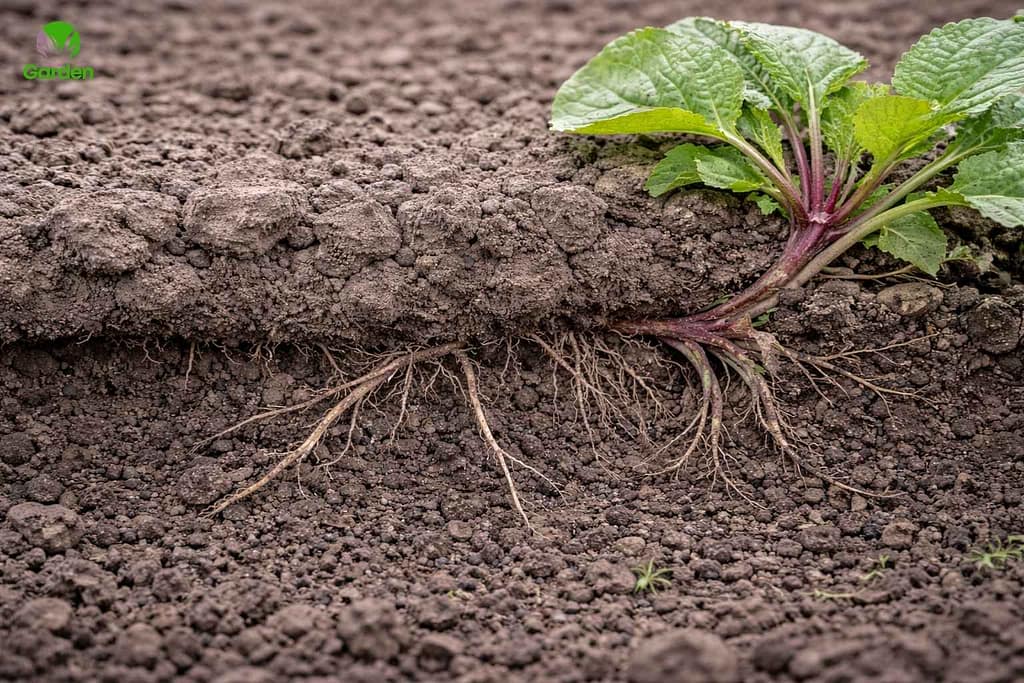
Roots remain shallow and stressed, limiting the plant’s ability to gather resources.
Even well-watered plants will grow slowly in compacted ground.
Why Organic Matter Levels Affect Growth Speed
Organic matter improves soil structure by creating stable aggregates and pore spaces.
Soils rich in organic matter:
- drain excess water better
- retain moisture during dry spells
- support microbial nutrient cycling
Low organic matter soils swing between wet and dry extremes.
This instability stresses roots and slows growth significantly.
Why Slow Growth Often Improves Later in Summer
Many gardeners notice that once summer arrives, plants suddenly begin growing more vigorously.
This happens because:
- soil warms properly
- excess winter moisture drains
- roots expand more freely
- microbial activity increases
This natural seasonal shift confirms that slow early growth is usually soil-related rather than feeding-related.
Understanding this prevents unnecessary fertiliser use and frustration.
How to Tell What’s Slowing Down Your Vegetable Plants
When vegetable plants grow slowly, the cause is usually below the surface rather than above it.
Leaves may appear green and upright. Stems may look firm. Yet progress feels stuck.
Learning to read soil conditions and root behaviour is the fastest way to understand what’s really happening.
Slow Growth With Pale or Small Leaves
When leaves remain small or pale while plants stay upright, roots are often struggling to absorb nutrients properly — which is why yellow leaves in UK vegetable gardens often appear alongside slow growth.
This usually happens when:
- soil is too wet for oxygen to circulate
- compacted layers restrict root expansion
- nutrients are present but unavailable
Adding fertiliser rarely fixes this long term.
The real issue is usually restricted root function.
Slow Growth With Wilting During Warm Weather
If plants wilt quickly on warm days even when soil feels damp, roots may be shallow or stressed — a problem explored fully in why vegetable plants wilt in UK gardens.
This often occurs when:
- compaction prevents deep rooting
- water sits near the surface only
- oxygen levels are low in lower soil layers
Plants cannot draw steady moisture from deeper soil and struggle as soon as temperatures rise.
Plants That Sit Still After Planting
Newly planted vegetables should begin growing within a week or two in workable soil.
If they remain static for long periods, soil conditions are usually limiting root establishment.
Common causes include:
- cold soil temperatures
- waterlogged planting holes
- compacted subsoil beneath the surface
Roots simply cannot expand fast enough to support top growth.
Why Feeding Often Makes Slow Growth Worse
Many gardeners respond to slow growth by feeding more frequently.
This can create short bursts of leaf growth followed by further stagnation.
When soil structure is poor:
- nutrients wash through quickly
- roots cannot absorb efficiently
- plants become dependent on frequent feeding
This cycle weakens root systems rather than strengthening them.
Healthy soil releases nutrients gradually as organic matter breaks down.
This steady supply supports continuous growth rather than spikes and crashes.
Moisture Imbalance: Too Wet and Too Dry in the Same Bed
One of the biggest hidden causes of slow vegetable growth is uneven moisture movement.
In poor-structure soil, water does not move evenly.
Instead it:
- pools in compacted zones
- runs away through loose channels
- leaves some roots soaked and others dry
Plants experiencing alternating stress grow far more slowly than those in stable moisture conditions.
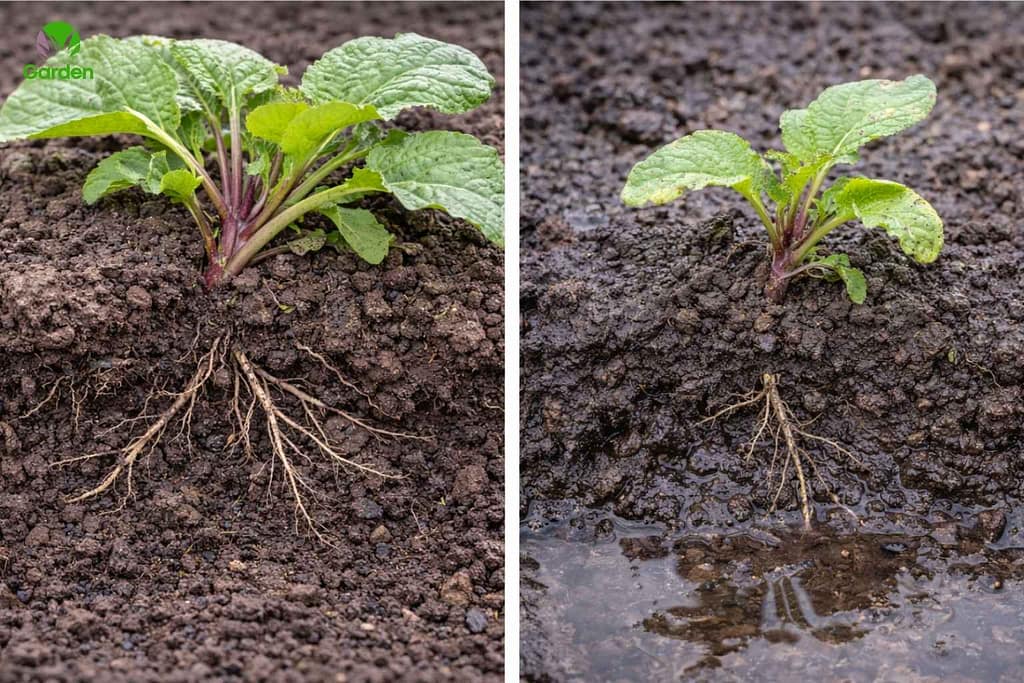
Why Roots Are the Growth Engine of the Plant
Everything above ground depends on what happens below.
Strong roots allow:
- steady water uptake
- efficient nutrient absorption
- resilience during weather swings
Weak or restricted roots limit growth no matter how well plants are fed.
This is why soil structure always matters more than feeding schedules.
How to Check Root Health Without Digging Everything Up
You don’t need to destroy beds to learn what’s happening underground.
Lift One Test Plant
Choose a small plant and gently lift it with surrounding soil.
Healthy roots should:
- extend outward in all directions
- penetrate downward easily
- look white or pale rather than brown
Problem roots often appear:
- short and stubby
- growing sideways
- clumped near the surface
Check Soil Resistance
Push a fork gently into the soil.
If it suddenly stops a few centimetres down, compaction is likely limiting growth.
Observe Water Behaviour
After rain or watering, watch how quickly water soaks in.
Slow absorption or surface pooling usually indicates poor structure rather than true drainage problems.
Why Spring Growth Is Often Slowest in UK Gardens
Early season growth is naturally slow in the UK.
This is caused by:
- cold soil temperatures
- high moisture levels
- low microbial activity
Even healthy soil takes time to warm and activate.
Gardeners who understand this are far less likely to overfeed or overwork soil in frustration.
The Hidden Damage of Working Wet Soil
Digging or hoeing when soil is wet is one of the fastest ways to slow plant growth long term.
Wet soil smears rather than crumbles.
This collapses pore spaces and creates dense layers as it dries.
Once compacted, roots struggle to move freely for months or even years.
Why Growth Problems Often Repeat in the Same Beds
Many gardeners notice that certain areas of the garden always perform poorly.
This usually points to:
- historic compaction
- building debris underneath
- heavy foot traffic
- low organic matter
Without improving structure, these zones continue limiting growth season after season.
Why Quick Fixes Rarely Work
Products promising instant soil improvement often focus on nutrients rather than structure.
They may boost growth briefly but do not:
- open compacted soil
- improve moisture balance
- support long-term root health
This is why slow growth usually returns after the initial boost fades.
What Consistent Good Growth Really Requires
Vegetables grow steadily when soil provides:
- air for roots
- even moisture
- stable structure
- gradual nutrient release
These conditions come from soil care, not products.
Once soil begins improving, growth becomes noticeably easier each season.
How to Speed Up Vegetable Growth Naturally in UK Gardens
Once you understand what slows plant growth, improving it becomes far simpler.
The goal is not to force plants to grow faster with feeding, but to create soil conditions where growth happens steadily and naturally.
When soil structure improves, vegetables almost always respond quickly.
Start by Protecting Soil Structure
The fastest improvements come from stopping further damage.
This alone often leads to noticeable growth improvements within one season.
Keep Feet Off Growing Areas
Foot traffic compresses soil far more than most gardeners realise.
Walking on wet beds is especially damaging.
Simple habits make a big difference:
- work beds from the edges
- use temporary boards if access is needed
- create clear paths and stick to them
Less pressure means more air spaces for roots almost immediately.
Avoid Working Soil When It Is Wet
If soil sticks to tools or hands, it is too wet to disturb.
Waiting for crumbly conditions preserves structure and prevents compaction layers forming.
This single change often speeds plant growth noticeably over time.
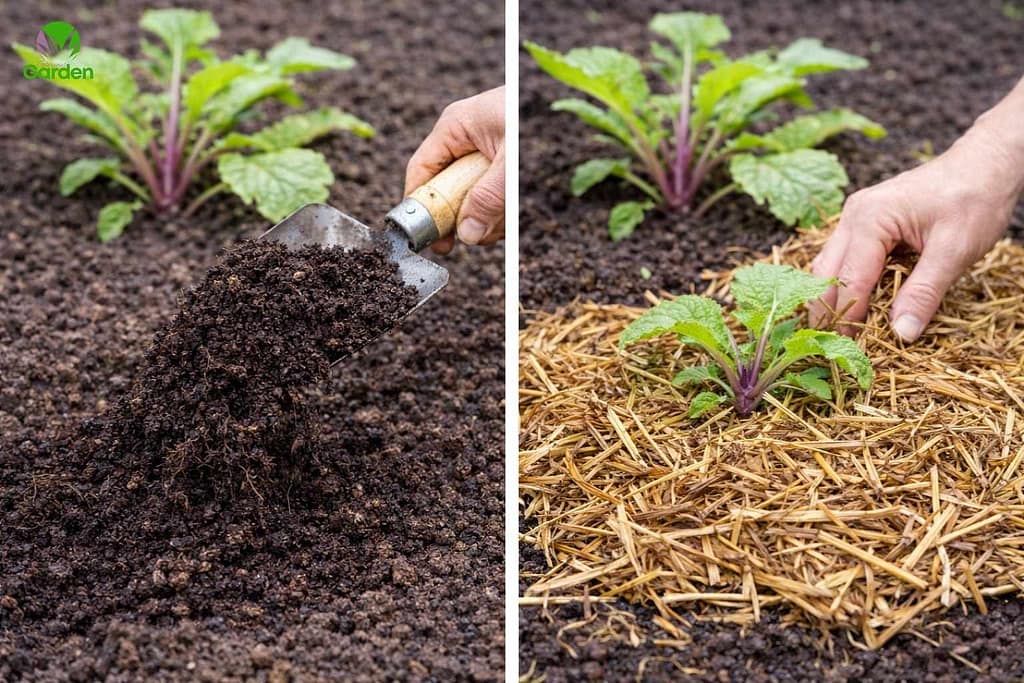
Add Organic Matter Little and Often
Organic matter is the engine of soil improvement.
It improves:
- drainage in heavy soils
- moisture retention in light soils
- root penetration
- nutrient availability
Small, regular additions work better than large one-off applications.
Best Times to Add Organic Matter in the UK
- autumn after crops finish
- spring before planting if soil is workable
Apply as a surface layer and allow worms and microbes to incorporate it naturally.
Use Mulch to Stabilise Soil Conditions
Mulching protects soil from:
- heavy rain impact
- rapid drying
- temperature swings
This creates steady conditions where roots grow more efficiently.
Mulch also feeds soil life slowly over time.
Encourage Deep Root Growth
Plants that root deeply grow faster and cope better with weather changes.
You can encourage this by:
- watering deeply but less often
- improving soil structure gradually
- avoiding shallow frequent watering
Deep roots access more moisture, oxygen, and nutrients.
Warm Soil Naturally in Spring
Cold soil slows growth dramatically.
You can help soil warm by:
- keeping beds lightly mulched rather than bare
- avoiding waterlogging
- using raised beds where practical
Warmer soil activates root growth and microbial activity earlier in the season.
Why Raised Beds Can Improve Growth Speed
Raised beds often:
- drain better
- warm faster
- experience less compaction
This creates ideal conditions for early growth.
However, they still benefit from organic matter and gentle soil care.
Feeding: When It Helps and When It Doesn’t
Once soil structure improves, feeding becomes far more effective.
Plants with healthy roots absorb nutrients efficiently.
Before soil improves, feeding often leads to uneven growth.
Think of feeding as support — not the solution.
Season-by-Season Growth Support in UK Gardens
Spring
- avoid compacting wet soil
- add light compost top-dressings
- allow soil to warm naturally
Summer
- mulch to stabilise moisture
- water deeply
- avoid soil disturbance
Autumn
- add organic matter
- protect soil surface
- let winter biology improve structure
Winter
- avoid walking on beds
- keep soil covered
- allow natural processes to work
How Long It Takes to See Faster Growth
Many gardeners notice:
- better growth within weeks after improving moisture balance
- stronger plants within one season
- major improvements within one to two years
Soil improvement compounds over time.
Each season becomes easier than the last.
Why Patience Beats Quick Fixes Every Time
Forcing growth often weakens plants.
Building soil health strengthens them naturally.
Once soil structure improves:
- watering becomes easier
- feeding becomes more effective
- plants grow more consistently
- problems reduce overall
This is why experienced gardeners focus on soil first rather than constant interventions.
Frequently Asked Questions
Why are my vegetable plants growing so slowly even though I water them?
Slow growth is usually caused by compacted or waterlogged soil that limits root function rather than lack of water.
Should I feed plants more if growth is slow?
Feeding often gives short-term results but does not fix the soil issues that restrict growth long term.
How long does it take to improve soil so plants grow faster?
Small improvements can appear within weeks, with major progress over one to two growing seasons.
Does cold soil really slow growth that much?
Yes. Root activity drops sharply in cold soil, which limits nutrient uptake and development.
Will raised beds help vegetables grow faster?
Often yes — they warm quicker, drain better, and suffer less compaction.
A Sensible Place to Start
If your vegetable plants grow slowly, don’t rush for fertiliser.
Start by:
- protecting soil from compaction
- adding organic matter gradually
- keeping moisture stable
- reducing disturbance
Then give soil time.
In most UK gardens, growth improves naturally once soil conditions are allowed to recover and strengthen.
That steady improvement is what leads to strong, productive crops year after year.