

Brassicas are some of the most productive vegetables you can grow in a UK garden — and some of the most frustrating when they go wrong. They sit at the heart of traditional kitchen gardens, yet they behave very differently to most other crops. Understanding those differences is the key to growing them well.
Many problems blamed on pests, weather, or bad luck actually begin much earlier. Brassicas have specific expectations around soil, timing, and consistency. When those expectations are met, they grow steadily and predictably. When they are not, problems tend to compound over time.
This guide focuses on the shared behaviour of brassicas rather than individual crops. If you are growing specific vegetables, detailed guidance is available for growing cabbage in the UK, growing broccoli and calabrese, growing cauliflower successfully, growing Brussels sprouts, and growing kale in UK gardens.
Brassicas Fundamentals
If you want the practical basics in plain English, these guides cover the key decisions that make the biggest difference:
- Soil preparation for brassicas
- When to plant brassicas in the UK
- Spacing brassicas correctly
- Watering brassicas properly
- Feeding brassicas without soft growth
What Counts as a Brassica
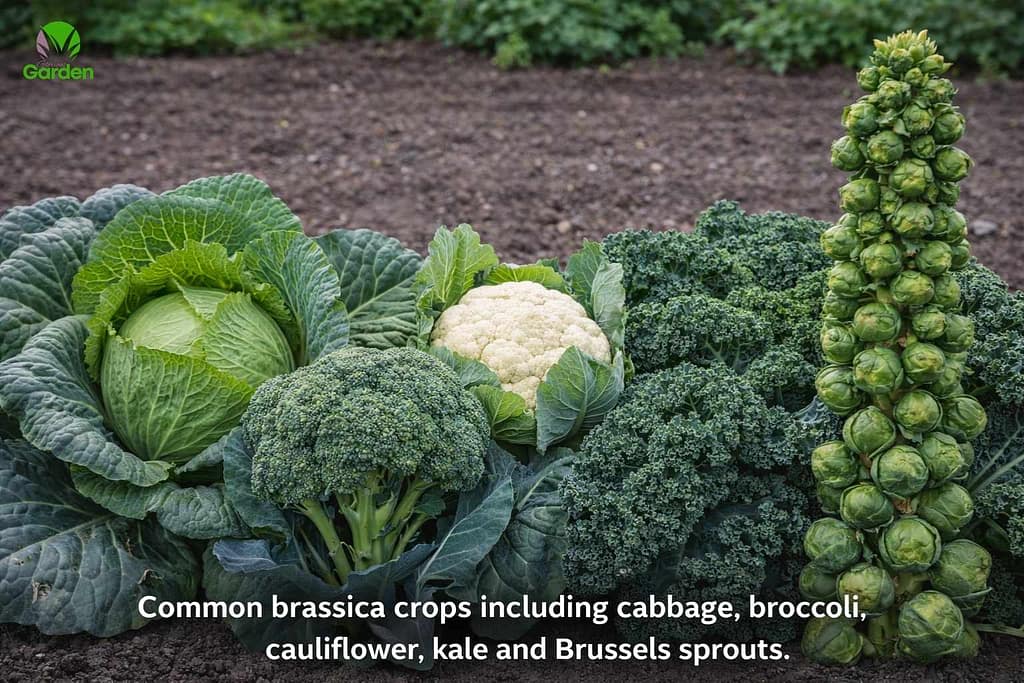
Brassicas belong to the plant family Brassicaceae, commonly known as the cabbage family. In practical gardening terms, brassicas are vegetables that share similar growth habits, nutrient needs, and vulnerabilities.
Common brassicas grown in UK gardens include cabbage, broccoli, cauliflower, Brussels sprouts, kale, sprouting broccoli, and kohl rabi. Although these crops differ in size, shape, and harvest time, they behave in remarkably similar ways.
This shared behaviour explains why advice that works for one brassica often applies to others — and why the same mistakes tend to appear across the whole group.
Why Brassicas Behave Differently to Other Vegetables
Brassicas are often treated like general vegetables, but they do not respond like them. They grow steadily rather than quickly and expect consistency from the moment they are planted.
Compared with most crops, brassicas stay in the ground for a long time, have high nutrient demands, attract pests aggressively, and respond badly to early stress. A setback in the first few weeks can affect growth for the rest of the season.
This contrasts with faster crops and many root vegetables, which can tolerate disruption and still produce a usable harvest. Brassicas rely on uninterrupted development.
Understanding Brassica Growth Cycles
Not all brassicas follow the same seasonal rhythm. Some are harvested within a few months, while others occupy ground for most of the year.
Short-Season Brassicas
Shorter-season brassicas include summer and autumn cabbages, calabrese, and some cauliflower varieties. These crops are usually planted in spring or early summer and harvested within a relatively short window.
When timing is slightly off, problems tend to show as small heads or early bolting rather than complete failure.
Long-Season Brassicas
Long-season brassicas include Brussels sprouts, winter cabbages, sprouting broccoli, and many kales. These crops may remain in the ground from spring through autumn and into winter.
Because they occupy space for so long, soil preparation and positioning matter far more. This long-term commitment contrasts strongly with crops in the root vegetables group, which are usually harvested and cleared much more quickly.
Soil Expectations for Brassicas
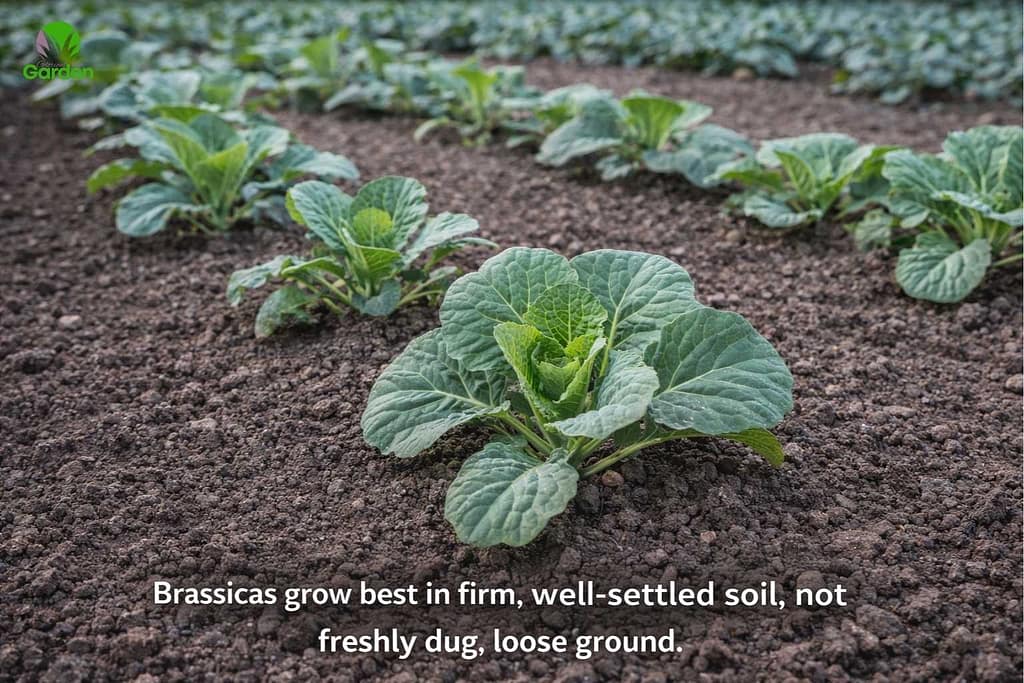
Brassicas have clear expectations when it comes to soil. They perform best in soil that is firm, moisture-retentive, and reliably fertile.
Why Firm Soil Matters
Brassicas anchor themselves deeply. In loose or freshly dug soil, they struggle to stabilise, which slows growth and increases vulnerability to pests.
This requirement often surprises gardeners because it runs counter to advice given for many other vegetables. Root crops benefit from deeper cultivation, while brassicas prefer soil that has been prepared well in advance and allowed to settle.
Nutrients Without Excess
Although brassicas are hungry plants, heavy feeding at planting time often causes problems. Excess nitrogen produces soft growth that attracts pests and disease.
The aim is steady nutrition rather than rapid growth. Balanced soil preparation early on supports healthier plants later in the season.
Why Brassicas Attract Pests in the UK
Brassicas are naturally attractive to pests. Their leaves contain compounds that draw insects such as cabbage white butterflies and flea beetles.
UK growing conditions amplify this. Mild summers and long seasons allow pest populations to build steadily, particularly where plants are stressed or slow to establish.
Climate Sensitivity and Stress
Many brassicas tolerate cold well, but hardiness should not be confused with resilience. They are sensitive to sudden temperature changes, irregular watering, and heat stress during establishment.
Stress at the wrong time can lead to problems such as buttoning in cauliflower, loose heads in cabbage, or stalled growth in Brussels sprouts.
Where Brassicas Fit in a UK Vegetable Rotation
Because brassicas remain in the ground for long periods and draw heavily on soil nutrients, rotation is essential. Growing them repeatedly in the same place increases the risk of pest build-up, disease, and nutrient imbalance.
Brassicas need a planned position in the garden rather than being fitted in wherever space happens to be available. This approach aligns with the wider principles covered in growing vegetables successfully in the UK.
Preparing Soil for Brassicas
Once the position of brassicas has been decided, soil preparation becomes the most important factor in how they perform. Strong brassicas are built from the ground up. Weak plants almost always trace back to rushed or inappropriate soil preparation.
Brassicas do best in soil that has been prepared well ahead of planting. Freshly dug ground may look inviting, but it rarely provides the stability these crops need.
Preparing Soil in Advance
Ideally, brassica beds should be prepared several weeks before planting. This allows the soil to settle naturally and creates the firm structure brassicas rely on.
Incorporate well-rotted organic matter if needed, then leave the soil undisturbed until planting time. Avoid heavy cultivation immediately before planting, as this encourages instability and root movement.
Managing Fertility Without Overfeeding
Brassicas are nutrient-demanding crops, but excess fertility causes more problems than it solves. Overfeeding, particularly with nitrogen, produces soft growth that attracts pests and disease.
At this stage, the aim is to provide a balanced soil base rather than pushing growth. Later feeding, once plants are established, is far more effective and controlled.
Timing Brassica Planting in the UK
Planting brassicas at the right time matters just as much as soil preparation. Plants put in too early often struggle in cold, wet ground. Those planted too late fail to establish before pest pressure increases.
General planting windows are outlined in when to plant vegetables in the UK, but brassicas benefit from more specific timing.
Short-season brassicas are usually planted from mid-spring into early summer. Long-season brassicas are often planted earlier to give them time to develop strong frameworks before autumn.
Crop-by-crop timing guidance is covered in when to plant brassicas in the UK.
Raising Brassicas from Seed or Buying Plants
Most brassicas are more reliable when grown from transplants rather than sown directly where they are to grow. This allows early development to happen in more controlled conditions.
Seedlings raised in modules establish more quickly and are better able to cope with early pest pressure. This early strength has a lasting impact on crop performance.
Whether home-grown or bought in, handling young plants carefully matters. Detailed guidance is available in transplanting brassicas successfully.
Spacing Brassicas Correctly
Crowding brassicas is one of the most common and costly mistakes. Plants grown too close together compete for light, water, and nutrients, resulting in weak growth and increased disease risk.
Good spacing also improves airflow and makes pest monitoring easier. While it can be tempting to fit in extra plants, generous spacing almost always produces better results.
Specific spacing recommendations by crop are covered in spacing brassicas correctly.
Planting Brassicas Firmly
When planting brassicas, firmness is essential. Set plants at the same depth they were growing previously and press soil in firmly around the root ball.
Water well after planting to settle soil around the roots and remove air pockets. This encourages rapid establishment and reduces early stress.
Avoid planting during very hot, dry, or windy conditions where possible. Calm, overcast days help plants settle in with minimal disruption.
Why Strong Establishment Matters
Brassicas that establish quickly develop stronger root systems and sturdier growth. This makes them more resilient to pests, weather fluctuations, and minor damage.
Weak plants rarely catch up. Problems that appear later in the season often trace back to this early establishment phase.
Caring for Brassicas Through the Growing Season
Once brassicas are established, steady care matters more than frequent intervention. These crops respond best to consistency. Sudden changes in watering, feeding, or conditions often do more harm than good.
The aim throughout the season is to maintain even growth. Brassicas that grow steadily are far more resilient to pests, weather stress, and minor damage.
Watering Brassicas Consistently
Brassicas require regular moisture, particularly during dry spells. Inconsistent watering causes growth checks, which can lead to poor head formation and increased susceptibility to problems.
Deep, infrequent watering is generally better than light, frequent watering. This encourages roots to grow downwards and improves stability.
More detailed guidance on maintaining the right balance is covered in watering brassicas properly and fits within the wider principles outlined in watering plants correctly in the UK.
Feeding Without Encouraging Soft Growth
Brassicas benefit from additional feeding once they are growing strongly, but timing and balance matter. Feeding too early or too heavily often produces lush growth that attracts pests.
Apply feed once plants are clearly established and growing steadily. Moderate, regular feeding supports continued development without pushing excessive leaf growth.
Crop-specific feeding approaches are covered in feeding brassicas without soft growth.
Mulching: When It Helps and When It Doesn’t
Mulching can help conserve moisture and suppress weeds, particularly during dry periods. However, heavy mulches applied too early can prevent soil from warming and slow growth.
Apply mulch once soil has warmed and plants are established. Keep material clear of the stem base to reduce the risk of rot.
Further detail on timing and materials is available in mulching brassicas.
Supporting Taller Brassicas
Some brassicas, particularly Brussels sprouts and taller kales, benefit from support as they grow. Wind rock weakens roots and slows development.
Firm soil helps, but additional support may be needed in exposed gardens. Simple stakes or earth drawn up around the base of plants can make a significant difference.
Practical methods are covered in supporting tall brassicas.
Managing Growth During Heat and Cold
Brassicas cope well with cool conditions but can struggle during prolonged heat, particularly if moisture is limited. Shallow roots dry out quickly and growth slows.
Maintaining consistent moisture and avoiding stress during heatwaves helps prevent long-term damage. Seasonal stress management is also discussed in keeping garden plants healthy all year.
Keeping Growth Steady
The most productive brassica crops are rarely the result of constant attention. They come from soil that was prepared properly, plants that established well, and care that remained consistent throughout the season.
Overreacting to minor damage or changes in appearance often creates new problems. Brassicas respond best to calm, measured adjustments rather than frequent correction.
Common Brassica Problems
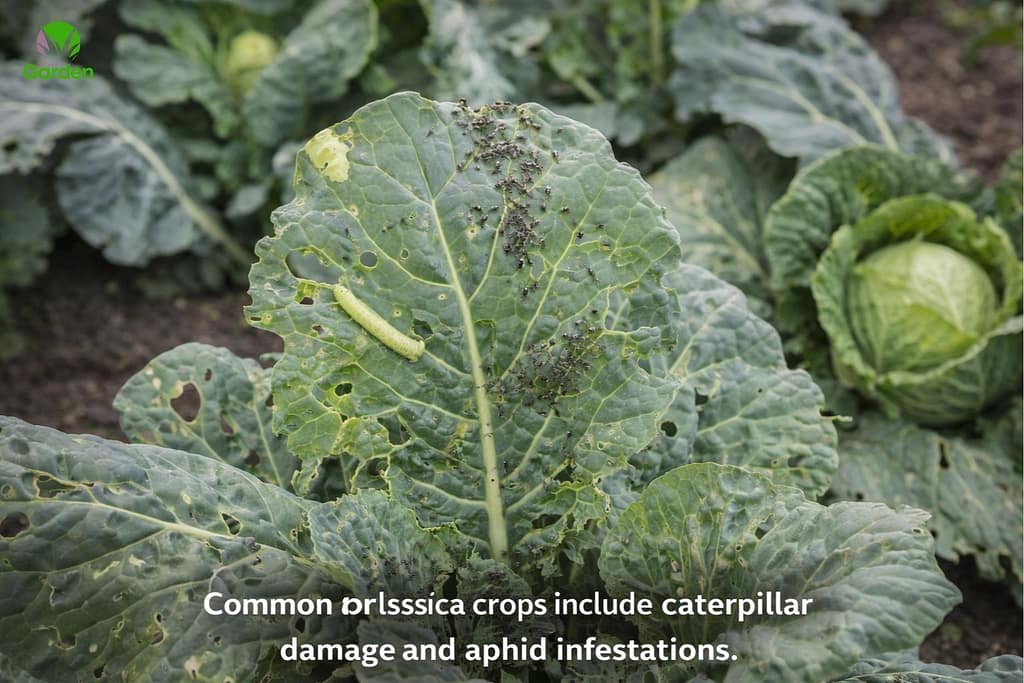
Even when brassicas are grown carefully, problems can still appear. Understanding why they occur makes it easier to respond calmly and prevent them from repeating.
Most brassica issues fall into two categories: pest pressure and growth problems. Both are closely linked to early plant health and growing conditions.
Why Brassicas Attract Pests
Brassicas naturally attract insects such as cabbage white butterflies, flea beetles, and slugs. Their leaf chemistry makes them particularly appealing, especially to pests that specialise in feeding on this crop group.
Healthy plants can tolerate some damage. Weak or stressed plants are targeted first and struggle to recover.
Practical protection methods are covered in protecting brassicas from pests, with more detail on specific issues such as cabbage white butterfly control, flea beetle on brassicas, and slugs on brassicas.
Yellowing Leaves and Poor Growth
Yellow leaves, stalled growth, or uneven development usually point to stress rather than disease. Common causes include inconsistent watering, nutrient imbalance, or restricted root growth.
These symptoms often appear weeks after the original problem occurred. By the time leaves yellow, the underlying issue may have already passed.
Specific causes and responses are explored in yellow leaves on brassicas.
Buttoning, Loose Heads, and Poor Formation
Problems such as buttoning in cauliflower or loose heads in cabbage are almost always linked to early stress. Cold snaps, dry periods, or planting at the wrong time interrupt steady growth.
Once these issues appear, they cannot be reversed. The focus should shift to understanding why they occurred and preventing them in future plantings.
When Brassicas Cannot Be Saved
Occasionally, brassicas fail despite best efforts. Severe pest damage, prolonged stress, or poor establishment can leave plants unable to recover.
Removing struggling plants early can prevent pest build-up and free space for other crops. Guidance on making that decision is covered in when to remove failing brassicas.
Preventing Problems Before They Start
The most effective brassica pest control and problem prevention happens long before issues are visible. Strong plants grown in suitable soil are far more resilient than those propped up later.
Consistent soil preparation, correct spacing, steady watering, and moderate feeding all contribute to healthier crops. Avoiding unnecessary intervention is often as important as taking action.
Brassicas face greater pest pressure than many leafy crops. This contrasts with vegetables in the leafy greens group, which generally establish and recover more quickly.
Brassicas FAQs
Are all brassicas grown in the same way?
Brassicas share many core needs, including firm soil, steady growth, and consistent care. However, individual crops vary in planting time, spacing, and how long they stay in the ground. Understanding the shared behaviour makes it much easier to adjust for specific crops.
Why do brassicas attract so many pests?
Brassicas naturally contain compounds that attract insects such as cabbage white butterflies and flea beetles. This is normal and not a sign of poor gardening. Strong, well-established plants cope far better with pest pressure than stressed ones.
How long do brassicas stay in the ground?
This depends on the crop. Some brassicas are harvested within a few months, while others remain in the ground for most of the year. Their long growing period is why planning, spacing, and rotation matter more for brassicas than for many other vegetables.
Do brassicas need special soil?
Brassicas do not need unusual soil, but they do perform best in firm, well-prepared ground with reliable fertility. Loose or freshly dug soil often causes slow growth and long-term problems later in the season.
Can brassicas be grown in small UK gardens?
Yes, but careful planning is important. Choosing compact varieties, spacing plants properly, and avoiding overcrowding helps brassicas grow successfully even in smaller spaces.
A Sensible Place to Start
If brassicas have been difficult to grow in the past, the solution is rarely a single product or technique. More often, it lies in understanding how these crops behave and planning for their needs from the outset.
Focus on soil preparation, firm planting, and steady care. Once those foundations are in place, brassicas become far more predictable and rewarding to grow in a UK garden.