
Knowing when to plant beetroot in the UK is one of the simplest ways to improve your chances of a steady, reliable harvest. Beetroot is often considered an easy crop, but like many vegetables, timing plays a major role in how well it grows.
Plant too early and seeds may struggle in cold, wet soil. Plant too late and roots may remain small or become woody before the season ends. The goal is not just to get beetroot growing, but to grow it in conditions that allow steady, uninterrupted development.
Many gardeners assume beetroot is a “plant anytime” crop. While it is flexible, understanding the best planting windows helps you avoid common problems like slow germination, bolting, and uneven root development.
This guide explains exactly when to plant beetroot in the UK, how planting times vary across the seasons, and how soil and weather conditions influence success. If you are new to vegetable growing, it also helps to understand how planting fits into the wider growing cycle, which is explained in when to plant vegetables in the UK.
When to Plant Beetroot in the UK (Quick Answer)
Beetroot is typically sown outdoors in the UK between:
- April to July for the main crop
- Late February to March under cover for early harvests
Most gardeners achieve the best results by sowing from mid-spring onwards, when soil temperatures begin to rise and conditions become more stable.
Beetroot can be sown little and often, making it ideal for succession planting. This means you can spread sowings over several weeks to produce a continuous harvest rather than a single large crop.
Understanding Beetroot as a Crop
Before focusing on timing, it helps to understand how beetroot grows.
Beetroot is a root vegetable, which means the edible part develops below the soil surface. This makes soil conditions just as important as planting time. If soil is compacted, poorly drained, or lacking structure, roots cannot develop properly.
This is why soil preparation plays such a large role in successful beetroot growing. If your soil tends to hold water or becomes hard, improving structure is essential. This is covered in detail in how to improve garden soil in the UK.
Unlike some vegetables, beetroot prefers steady growth without interruption. Sudden changes in temperature, moisture, or soil conditions can cause problems such as splitting or poor root formation.
Why Timing Matters for Beetroot
Beetroot seeds need consistent moisture and moderate temperatures to germinate. If sown too early, cold soil slows germination significantly. If sown too late, plants may rush to maturity, resulting in smaller or tougher roots.
Timing also affects flavour and texture. Beetroot grown slowly in suitable conditions tends to be sweeter and more tender than plants grown under stress.
Month-by-Month Guide to Planting Beetroot in the UK
February to March (Early Sowing Under Cover)
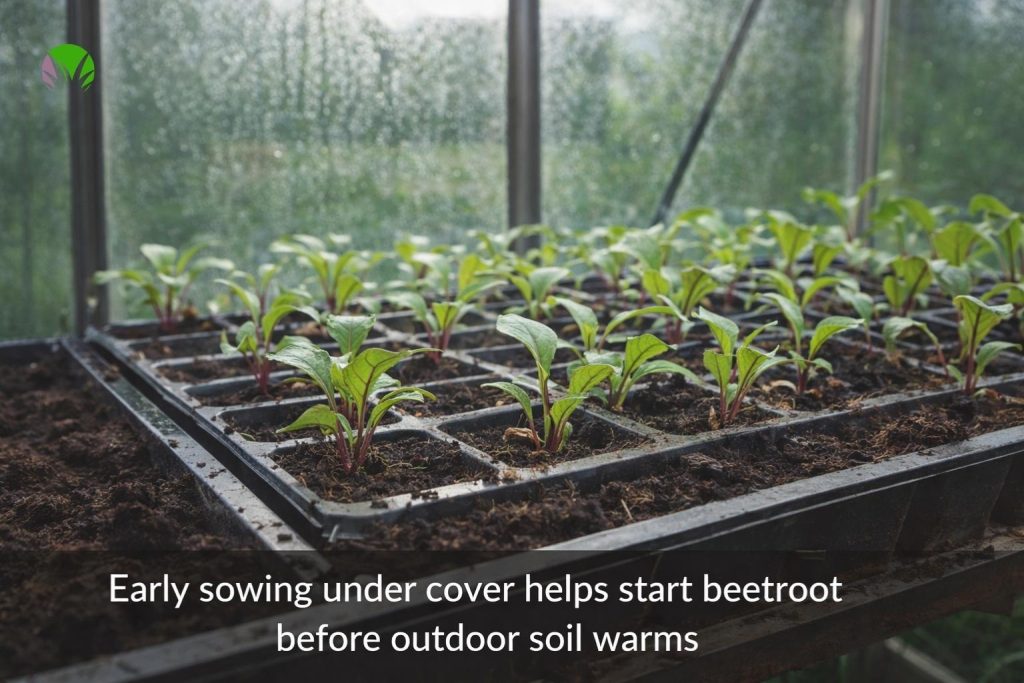
In late winter, beetroot can be started under protection such as:
- greenhouses
- cold frames
- covered seed beds
At this stage, outdoor soil is usually still too cold for reliable germination. Starting seeds under cover allows you to get an earlier crop, but conditions must still be managed carefully.
Seedlings started early need protection from cold nights and should not be rushed into the ground too soon. Moving plants into cold soil can stall growth and lead to poor development later.
If you are starting multiple crops early in the year, understanding how different vegetables respond to cold conditions is useful. For example, crops like cabbage and cauliflower tolerate cooler temperatures better, as explained in when to plant cabbage in the UK and when to plant cauliflower in the UK.
April to May (Main Sowing Period Begins)
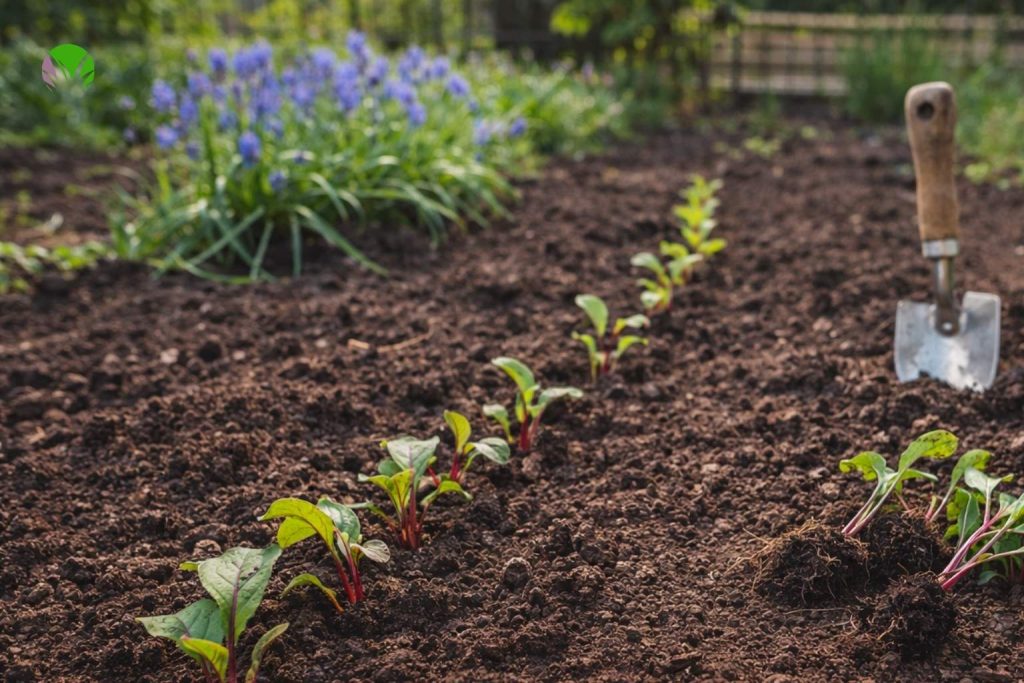
This is the most reliable time to begin sowing beetroot outdoors in most parts of the UK.
By April:
- soil temperatures are rising
- daylight hours increase
- germination becomes more consistent
Seeds can be sown directly into prepared beds or containers. Beetroot grows well in both, provided the soil is loose, well-drained, and free from large stones.
Container growing is a good option for smaller spaces or poor ground conditions. If you are growing vegetables this way, it helps to understand how containers affect watering and soil behaviour, as explained in growing vegetables in pots in the UK.
June to July (Late Sowings for Continued Harvests)
Beetroot can continue to be sown into early summer, and this is where succession planting becomes especially useful.
Rather than relying on one large sowing, planting small amounts every two to three weeks allows you to harvest steadily over a longer period. This avoids the common problem of having too much beetroot ready at once.
Late sowings are particularly useful for:
- extending the harvest into late summer and early autumn
- filling gaps after early crops like lettuce or spinach
- producing smaller, more tender roots
At this stage of the season, the biggest challenge becomes moisture control. Warmer temperatures and longer days increase evaporation, meaning soil can dry out quickly.
If soil dries out after sowing, seeds may fail to germinate or produce uneven growth. Consistent watering is essential during this period, especially in lighter soils or containers.
If you are unsure how often to water effectively, this is explained in more detail in how often to water plants in the UK.
August and Later (Limited but Possible)
Sowing beetroot after July becomes less reliable in most parts of the UK.
As daylight hours shorten and temperatures begin to drop, growth slows significantly. While seeds may still germinate, plants often do not have enough time to develop into full-sized roots before the season ends.
However, some gardeners still sow beetroot in early August for:
- baby beetroot harvests
- leaf harvests (beetroot leaves are edible and similar to chard)
Results at this stage depend heavily on weather conditions and soil warmth. In milder regions, late sowings can still be worthwhile, but they should not be relied on as a main crop.
Where to Plant Beetroot in the Garden
Choosing the right location has a direct impact on how well beetroot develops.
Sunlight Requirements
Beetroot grows best in full sun, ideally receiving at least six hours of direct sunlight per day.
While it will tolerate partial shade, reduced light levels often lead to:
- slower growth
- smaller roots
- less consistent development
If your garden has limited sunlight, positioning beetroot in the brightest available spot will improve results.
Shelter and Exposure
Strong winds can dry out soil quickly and stress young seedlings. Choosing a slightly sheltered position helps maintain more stable growing conditions.
This is particularly important for early sowings, when plants are more vulnerable to cold winds and temperature fluctuations.
Soil Preparation Before Planting Beetroot
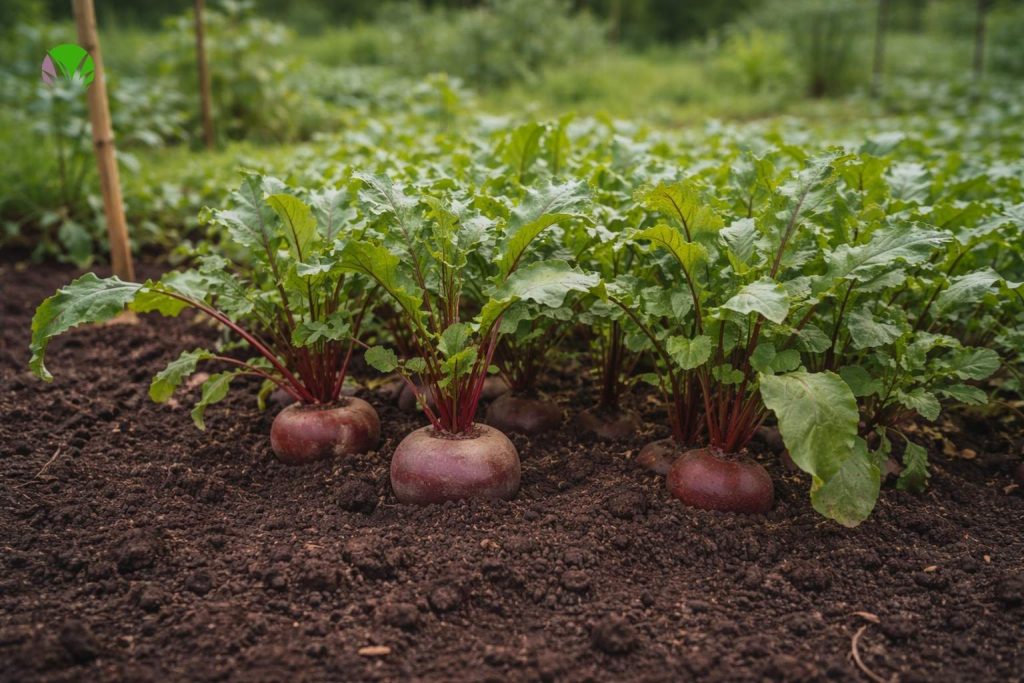
Soil preparation is one of the most important steps in growing beetroot successfully.
Because beetroot develops underground, soil condition directly affects the shape, size, and quality of the roots.
What Beetroot Needs From Soil
Beetroot grows best in soil that is:
- loose and well-structured
- free-draining but moisture-retentive
- free from large stones or debris
If soil is compacted or heavy, roots may become:
- misshapen
- forked
- restricted in size
This is a common issue in UK gardens, particularly where clay soil is present. Improving structure gradually makes a significant difference over time.
If your soil struggles with compaction or poor drainage, improving it first will benefit not only beetroot but all crops. This is covered in how to improve garden soil in the UK and how to improve garden drainage in UK soil.
Should You Add Compost Before Planting?
Adding compost improves soil structure and helps retain moisture, but it should be used correctly.
For beetroot:
- well-rotted compost is beneficial
- fresh manure should be avoided
Fresh organic material can cause excessive leafy growth at the expense of root development, leading to poor results.
Understanding how compost behaves in soil is useful across all vegetable crops, not just beetroot.
Growing Beetroot in Pots or Containers
Beetroot is well suited to container growing, making it a good option for smaller gardens, patios, and balconies.
Containers allow you to control soil conditions more easily, which can improve results if your garden soil is poor.
Choosing the Right Container
For beetroot, containers should be:
- at least 20–30 cm deep
- wide enough to allow spacing between plants
Shallow containers restrict root development and result in smaller harvests.
Using larger containers helps retain moisture more effectively and reduces the need for constant watering.
Watering Containers
Containers dry out faster than garden soil, especially during warm weather.
This means:
- more frequent watering is required
- soil moisture must be checked regularly
Inconsistent watering is one of the most common causes of poor beetroot growth in pots.
If you are growing multiple vegetables this way, it helps to understand the differences between container and ground growing, as explained in growing vegetables in pots in the UK.
Common Problems Caused by Incorrect Planting Time
Planting beetroot at the wrong time often leads to avoidable problems.
Poor Germination
Sowing too early into cold soil can result in:
- slow or uneven germination
- seeds failing to sprout
This is often mistaken for poor seed quality, but is usually caused by unsuitable conditions.
Bolting
Bolting occurs when plants produce flowers prematurely instead of developing roots.
This is more likely when:
- plants experience stress from cold early conditions
- growth is interrupted
Once beetroot bolts, root development stops.
Small or Woody Roots
Late planting or inconsistent growth can lead to:
- small roots
- tough texture
- reduced flavour
Steady growth conditions are the key to producing tender, well-developed beetroot.
Succession Planting for Continuous Harvests
One of the biggest advantages of beetroot is how well it suits succession planting.
Instead of planting everything at once, sow small batches every few weeks.
This approach:
- spreads harvests over time
- reduces waste
- makes better use of space
Succession planting is a useful technique across many crops and is often used alongside seasonal planting schedules, as explained in when to plant vegetables in the UK.
How Beetroot Fits Into a UK Vegetable Growing Plan
Beetroot is one of the easiest vegetables to fit into a wider planting plan because it does not need a huge amount of space and can be sown over a long period.
It works especially well alongside crops such as:
- lettuce
- spinach
- onions
- carrots
Because beetroot can be sown from spring into summer, it helps fill spaces between slower or longer-season crops. This makes it useful for beginners who are still learning how to organise beds through the growing season.
If you are planning several crops together, it helps to understand the wider calendar for sowing and planting. Related guides such as when to plant onions in the UK, when to plant carrots in the UK, when to plant lettuce in the UK, and when to plant spinach in the UK can help you build a more organised planting schedule.
Can You Sow Beetroot Indoors?
Beetroot can be started indoors, but it is usually not the best method unless you are trying to achieve a very early crop.
The main reason is that root vegetables generally prefer not to be transplanted. Any root disturbance can affect final shape and growth.
If starting beetroot indoors:
- use individual modules rather than shared trays
- move seedlings while they are still small
- avoid letting roots become restricted
For most gardeners, direct sowing outdoors from spring onwards is simpler and more reliable.
Can Beetroot Be Grown in Raised Beds?
Yes, beetroot often performs very well in raised beds.
Raised beds are useful because they:
- improve drainage
- warm more quickly in spring
- make soil preparation easier
- reduce compaction from foot traffic
This is especially helpful in UK gardens with heavy or clay-based soil. If your ground struggles with drainage or compaction, raised beds can make root crop growing much more reliable.
However, raised beds still need ongoing soil improvement. Adding compost regularly and avoiding bare soil between crops will improve results over time.
How Weather Affects Beetroot Planting in the UK
Planting dates are always influenced by local weather conditions.
Although general sowing windows are useful, the exact timing depends on:
- soil temperature
- rainfall
- frost risk
- regional climate differences
Cool, Wet Springs
In a cold or wet spring, it often makes sense to delay sowing slightly rather than planting into poor conditions. Seeds sown a little later into warmer soil often outgrow earlier sowings that struggled.
Warm, Dry Springs
In warmer years, sowing can begin earlier provided soil has enough moisture to support germination. Dry spring conditions may require watering before and after sowing.
Paying attention to actual conditions is more reliable than planting purely by date.
Regional Differences Across the UK
Beetroot planting times vary slightly depending on where you garden.
Southern England
Gardeners in milder southern areas can often sow a little earlier, especially under cover.
Midlands and Central Areas
In many central parts of the UK, April is usually the safest and most reliable starting point for outdoor sowing.
Northern England and Scotland
Cooler regions often benefit from waiting until mid to late spring, when soil has had time to warm properly.
Coastal and Exposed Gardens
Coastal gardens may avoid severe frost but often deal with stronger winds, which can dry soil and stress seedlings. Shelter becomes especially important in exposed sites.
Signs You Have Planted Beetroot at the Right Time
When beetroot is planted into suitable conditions, you will usually notice:
- fairly even germination
- steady early growth
- healthy green leaves
- consistent root swelling as plants mature
Plants that establish well early tend to continue developing without major problems, provided watering and spacing are handled properly.
Signs You Have Planted Beetroot at the Wrong Time
Incorrect timing often shows up through:
- patchy or slow germination
- stalled seedlings
- bolting
- small or poor-quality roots
These issues are often blamed on seed quality or feeding, but timing and soil conditions are usually the real cause.
Many vegetable growth problems start with poor establishment. If plants often seem to stall after germination, it may help to read why vegetable plants grow slowly in UK gardens.
Should You Feed Beetroot?
Beetroot generally does not need heavy feeding if soil has been improved with compost and organic matter.
Overfeeding can encourage excessive leaf growth rather than good root development. This is especially likely if nitrogen levels are too high.
For most gardens, the priority should be:
- good soil structure
- steady moisture
- correct spacing
This is why feeding soil rather than simply feeding plants usually gives better long-term results. If your crops often struggle despite watering and care, soil condition is usually the first place to look.
Harvest Timing and Why Planting Date Affects It
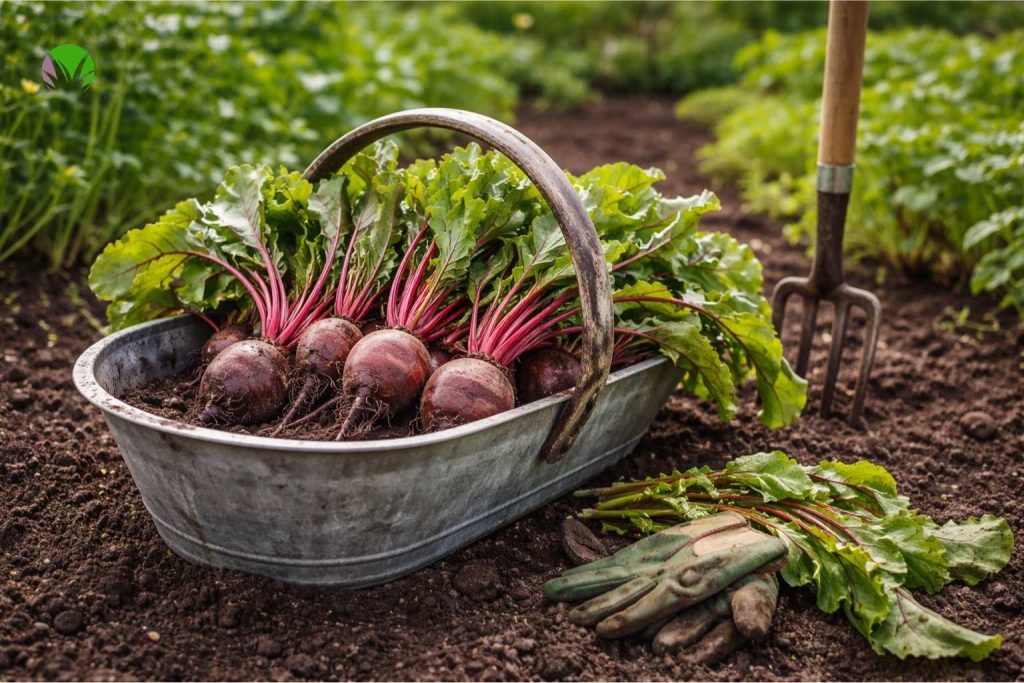
The time you sow beetroot affects when it will be ready to harvest.
In general:
- early sowings take longer because of cooler conditions
- mid-spring sowings often grow most steadily
- late sowings can mature quickly if moisture is consistent
Most beetroot is ready to harvest around 8 to 10 weeks after sowing, although this varies with temperature and variety.
Roots are usually best lifted before they become too large. Smaller to medium-sized beetroot is often sweeter and more tender than oversized roots.
Can Beetroot Be Left in the Ground?
Beetroot can be left in the ground for a period, but it is usually best harvested before roots become old and coarse.
If left too long:
- texture may become woody
- flavour may become less sweet
- plants may become more prone to damage
Harvesting little and often usually gives the best quality.
Common Beginner Mistakes When Planting Beetroot
Sowing Too Early
This is one of the most common mistakes. Cold soil slows germination and weakens early establishment.
Ignoring Soil Structure
Beetroot may germinate in poor soil, but roots rarely develop well unless structure is loose and improved.
Forgetting to Thin Seedlings
Overcrowded seedlings compete for space, resulting in many small roots instead of fewer, better ones.
Letting Soil Dry Out After Sowing
Seeds need consistent moisture to germinate. Dry soil interrupts the process and often causes uneven results.
Adding Fresh Manure
Fresh manure is too strong for beetroot and can create excessive leafy growth at the expense of the roots.
If you are new to vegetable growing in general, many of these issues overlap with the wider mistakes covered in common gardening mistakes beginners make.
Is Beetroot a Good Vegetable for Beginners?
Yes, beetroot is one of the better root crops for beginners because it is:
- reasonably forgiving
- compact
- suitable for small gardens
- easy to fit into succession planting
It is also useful for building confidence because sowing windows are fairly flexible compared with some more demanding crops.
As long as soil is prepared reasonably well and seeds are not planted too early, beetroot is usually a rewarding crop for new gardeners.
FAQs
When is the best month to plant beetroot in the UK?
The best months to plant beetroot in the UK are April and May, when soil temperatures are rising and conditions are stable for germination.
Can you plant beetroot in March in the UK?
Yes, beetroot can be planted in March under cover such as a greenhouse or cold frame. Outdoor sowing is usually more reliable from April onwards.
Is it too late to plant beetroot in July?
No, beetroot can still be planted in July for smaller, later harvests. However, growth may slow as the season progresses.
Does beetroot need full sun?
Beetroot grows best in full sun but will tolerate partial shade. More sunlight generally results in stronger growth and better root development.
Can beetroot be grown in pots in the UK?
Yes, beetroot grows well in pots provided containers are deep enough and soil is kept consistently moist.
A Sensible Place to Start
If you want reliable results, a sensible place to start is by sowing beetroot outdoors from April onwards, once soil has begun to warm and conditions are more stable.
Choose a sunny position, prepare the soil well, keep moisture steady, and sow little and often rather than all at once. This gives you a longer harvest period and reduces the risk of a single sowing failing.
Beetroot does not need perfect conditions, but it does respond well to good timing, loose soil, and steady growth. Get those basics right and it quickly becomes one of the easiest and most useful vegetables to grow in a UK garden.