
Knowing when to plant cabbage in the UK is important because cabbage is grown across several different seasons. Unlike many vegetables that are planted once per year, cabbage can be grown as a spring, summer, autumn, or winter crop depending on the variety.
This flexibility makes cabbage one of the most useful vegetables for UK gardeners. With the right timing, you can harvest fresh cabbage for most of the year.
However, planting at the wrong time often leads to slow growth, bolting, or small loose heads.
Understanding UK growing conditions, soil temperatures, and frost timing will help you choose the best planting window for your garden.
If you are unsure when frost risk ends in your area, check your planting window using our UK Last Frost Date Checker.
Best Time to Plant Cabbage in the UK
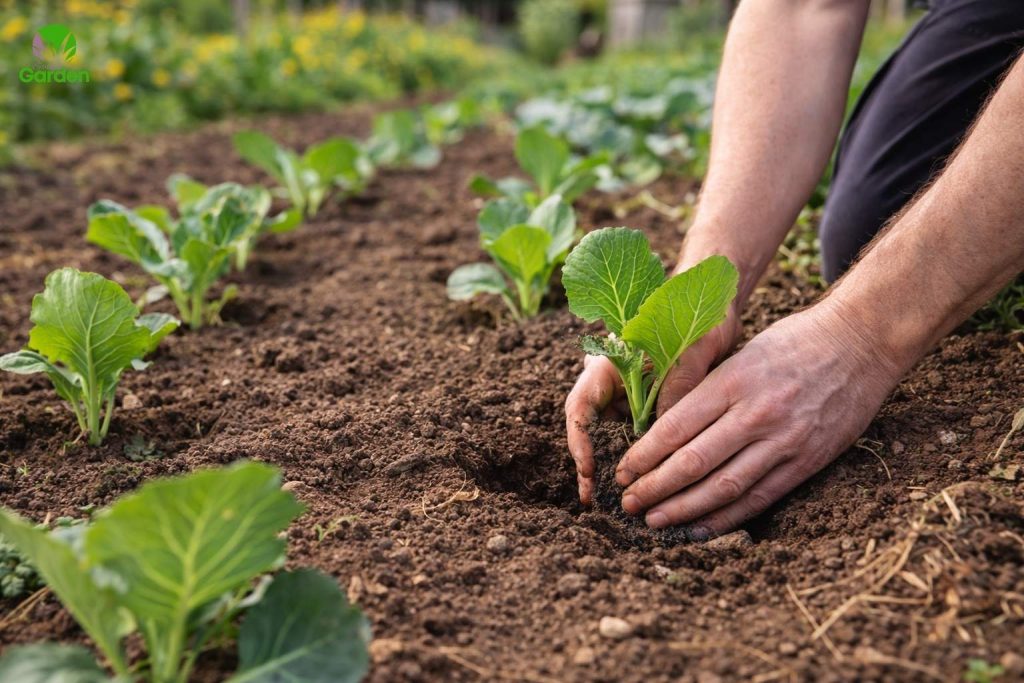
Cabbage can be planted at different times depending on the type you want to grow.
- Spring cabbage – sown late summer
- Summer cabbage – sown late winter or early spring
- Autumn cabbage – sown spring
- Winter cabbage – sown late spring
Most gardeners focus on spring and summer cabbages, which are usually planted between February and May.
Before planting any brassicas, it helps to make sure your soil is suitable. If you are unsure about your soil type, you can test it here: How to Tell If Your Garden Soil Is Clay, Loam or Sand.
When to Start Cabbage Seeds Indoors
Many UK gardeners start cabbage seeds indoors to give plants a head start before outdoor conditions improve.
Seeds can be started indoors from February onwards. This allows plants to grow strong before being transplanted outside once temperatures rise.
Indoor sowing is especially useful in colder regions where outdoor soil warms slowly.
Once seedlings develop a few true leaves they can be hardened off and planted outside.
Timing this correctly is important. Planting tender vegetables too early can expose them to late frosts, which is why understanding frost dates is essential for UK gardens.
If you’re planning several crops together, this guide may also help: When to Plant Vegetables in the UK.
When to Plant Cabbage Outdoors
Cabbage seedlings can usually be planted outdoors between March and May depending on weather conditions.
The soil should be workable, not waterlogged, and daytime temperatures should begin to rise steadily.
Good soil structure is important for brassicas. If your soil drains poorly, improving it first will make cabbage easier to grow.
You can learn how to do that here: How to Improve Garden Soil in the UK.
Healthy soil helps cabbage develop firm heads and strong root systems.
Cabbage Planting Calendar for UK Gardens
Because cabbage can be grown across several seasons, planting times vary depending on the crop you want.
Understanding the different cabbage types helps you spread harvests throughout the year rather than harvesting everything at once.
Spring cabbage
- Sow: July – August
- Transplant: September – October
- Harvest: April – May
Spring cabbage is usually planted the previous year and grows slowly through winter before producing early heads in spring.
Summer cabbage
- Sow: February – March
- Transplant: April – May
- Harvest: June – August
This is the most common cabbage crop grown in UK gardens.
Autumn cabbage
- Sow: March – April
- Transplant: May – June
- Harvest: September – November
Winter cabbage
- Sow: April – May
- Transplant: June – July
- Harvest: December – February
Growing multiple types allows you to harvest cabbage almost all year round.
Choosing the Right Spot for Cabbage
Cabbage grows best in open sunny locations with fertile soil. The plants form large leafy heads and need plenty of nutrients and space to develop properly.
Choose a position that receives at least six hours of sunlight per day.
Good soil preparation makes a big difference when growing brassicas. If soil structure is poor or compacted, cabbage plants may struggle to form solid heads.
If your garden soil feels dense or waterlogged after rain, improving drainage first will help. This guide explains how to do it properly: How to Improve Garden Drainage in UK Soil.
Well-drained soil also warms faster in spring, helping young plants establish quickly.
Soil Requirements for Growing Cabbage
Cabbage prefers rich soil that holds moisture but still drains well.
The ideal soil is fertile loam with plenty of organic matter. Adding compost each year helps maintain the structure cabbage needs to grow properly.
If you’re unsure about the condition of your soil, improving it gradually will benefit all vegetable crops. You can learn the basics here: How to Improve Garden Soil in the UK.
Adding compost before planting helps:
- retain moisture during dry spells
- support healthy root development
- improve soil structure
- feed soil life
Healthy soil also reduces common cabbage problems such as stunted growth and poor head formation.
Spacing Cabbage Plants Properly
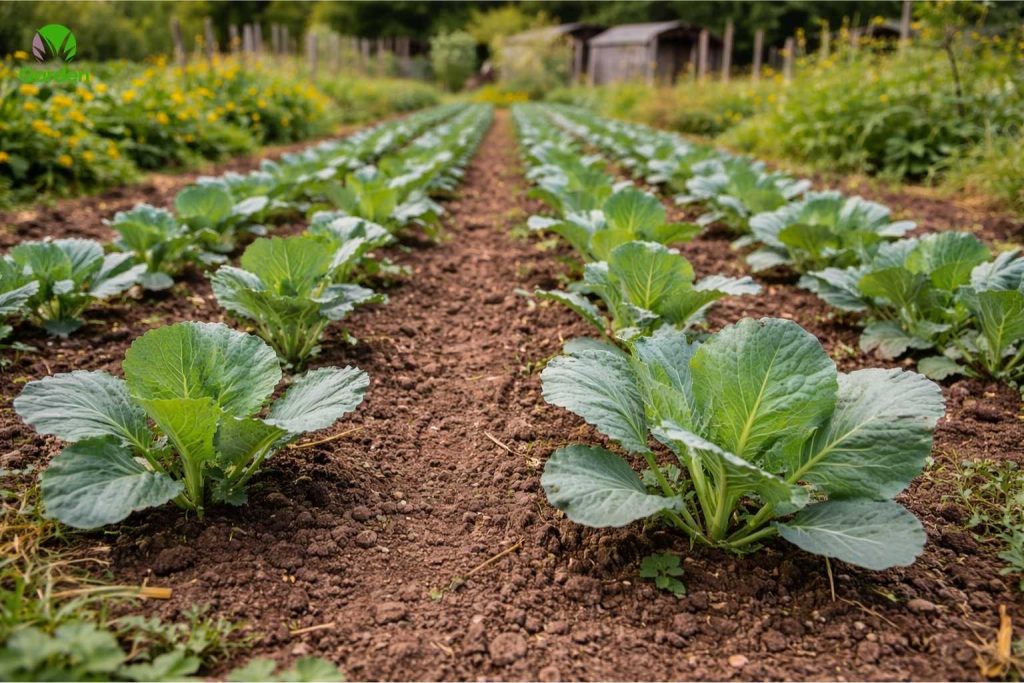
Cabbage plants need plenty of room to grow.
Crowded plants compete for nutrients and light, which often leads to smaller heads.
A good spacing guideline is:
- Small cabbage varieties: 30–40 cm apart
- Large varieties: 45–60 cm apart
Spacing also improves airflow around plants, which helps prevent fungal problems and pest damage.
If you are growing several vegetables together, planning your planting layout can make crop management easier. Many gardeners combine cabbage with other cool-season crops such as those explained in When to Plant Carrots in the UK or When to Plant Onions in the UK.
Grouping vegetables with similar growing conditions often makes garden management simpler.
When Will Cabbage Be Ready to Harvest?
The time it takes cabbage to grow depends on the variety and planting date. Most cabbages take between 70 and 120 days to mature after planting.
Spring cabbages tend to grow slowly through the colder months, while summer varieties develop much faster once temperatures rise.
You’ll know cabbage is ready to harvest when the head feels firm and tightly packed when gently squeezed.
Harvesting too late can cause the head to split, especially during wet weather when plants absorb large amounts of water.
How to Harvest Cabbage
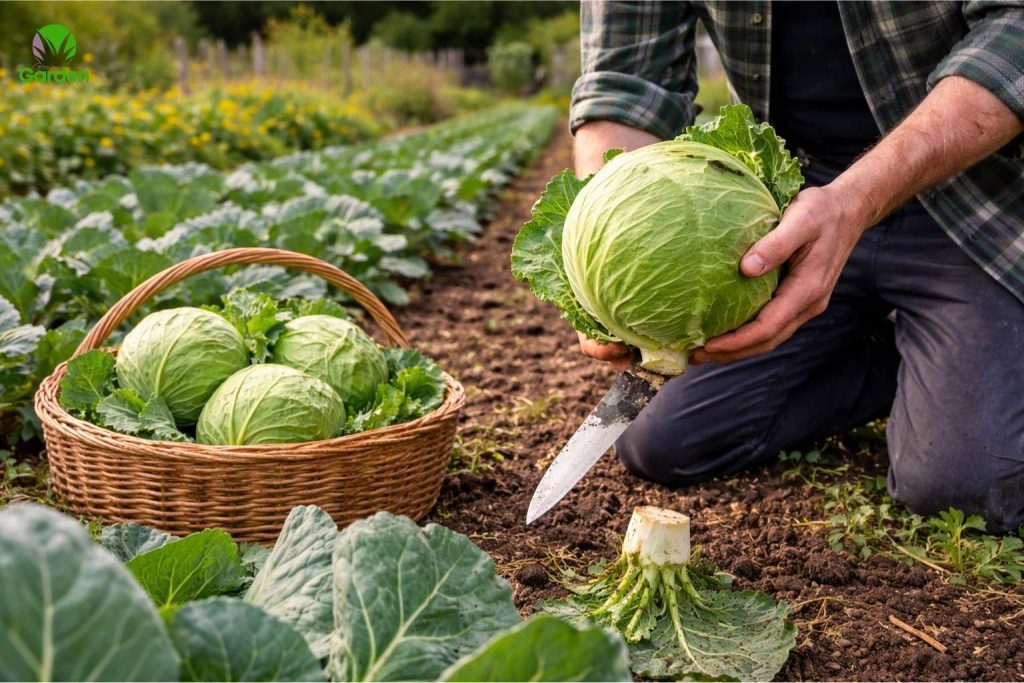
Harvesting cabbage is simple and only requires a sharp knife.
Cut the cabbage head at the base of the stem, leaving the outer leaves and root system in place.
In some cases, smaller secondary heads may develop after the main head is harvested.
Removing the main head promptly encourages the plant to redirect energy into new growth.
Common Problems When Growing Cabbage
Cabbage white butterflies
Cabbage white caterpillars are one of the most common pests affecting brassicas in UK gardens.
They lay eggs on the leaves, and the caterpillars quickly begin eating the foliage.
Protecting plants with fine insect mesh is one of the simplest ways to prevent damage.
Poor head formation
If cabbage plants produce loose or small heads, the most common causes are:
- poor soil fertility
- insufficient watering
- overcrowded plants
- extreme heat
Ensuring fertile soil and correct spacing usually solves most head formation problems.
Waterlogged soil
Cabbage plants dislike soil that stays wet for long periods.
Roots need oxygen as well as moisture. If soil becomes compacted or poorly drained, growth may slow significantly.
If this happens in your garden, improving soil structure will help. This guide explains the process clearly: How to Improve Garden Drainage in UK Soil.
Quick Planting Summary
For most UK gardeners the easiest cabbage schedule is:
- Sow seeds: February to April
- Transplant outdoors: April to June
- Harvest: Summer to autumn depending on variety
By planting different cabbage varieties, you can harvest fresh heads across multiple seasons.
Many gardeners grow cabbage alongside other cool-season crops such as those explained in When to Plant Broccoli in the UK and When to Plant Spinach in the UK.
When to Plant Cabbage in the UK – Frequently Asked Questions
When should cabbage be planted in the UK?
Cabbage can be planted at several times of the year in the UK depending on the variety. Most gardeners sow cabbage seeds between February and April for summer harvests, although some varieties are planted later for autumn or winter crops.
Can cabbage grow in cold weather in the UK?
Yes. Cabbage is a hardy vegetable that tolerates cool conditions well. Many varieties can survive light frosts, which makes cabbage suitable for spring, autumn, and even winter harvests in UK gardens.
How long does cabbage take to grow?
Cabbage usually takes between 70 and 120 days to mature after planting. The exact time depends on the variety, growing conditions, and planting season.
Can cabbage be grown all year in the UK?
With careful planning, cabbage can be grown for much of the year in the UK. By planting spring, summer, autumn, and winter varieties at different times, gardeners can harvest cabbage across multiple seasons.
Why are my cabbage heads small?
Small cabbage heads are often caused by poor soil fertility, overcrowded plants, or inconsistent watering. Cabbage grows best in rich soil with plenty of organic matter and enough space for each plant to develop.
Does cabbage need full sun?
Cabbage grows best in full sun but can tolerate partial shade. For the best results, plants should receive at least six hours of sunlight per day.
A Sensible Place to Start
If you are new to growing cabbage in the UK, start with a simple summer cabbage variety.
Sow seeds indoors in early spring, transplant healthy seedlings once soil warms, and give plants fertile soil and enough space to develop properly.
Cabbage is a reliable crop once planting times are understood, and with a little planning it can provide harvests for much of the year.
By learning the correct planting window and improving your soil over time, cabbage can become one of the most dependable vegetables in your garden.