

Carrots are one of the most reliable and satisfying crops to grow in UK gardens. They suit our climate well, but timing makes a noticeable difference to germination, root quality, and harvest length.
Plant too early and cold, wet soil slows germination or causes patchy rows. Plant too late and seedlings can struggle in dry spells, or you end up with a shorter harvest window than you need.
Understanding when to plant carrots in the UK is less about one fixed calendar date and more about soil temperature, drainage, and the conditions in your own garden.
If you want the wider seasonal context first, start with When to Plant Vegetables in the UK. Carrots sit neatly within that schedule, but they also have a few rules of their own.
When Can You Plant Carrots in the UK?
In most UK gardens, outdoor sowing typically runs from late March through July.
That range shifts depending on:
- Soil temperature
- Soil type and structure
- Drainage and compaction
- Regional frost patterns
- Variety choice (early vs maincrop vs storage)
Carrot seeds can tolerate cool conditions, but they do not like sitting in cold, wet ground. Before sowing early, it helps to confirm your local frost window using the UK Last Frost Date Checker. Frost isn’t usually the main issue for carrot seedlings, but exposed gardens can still get setbacks in early spring.
When to Plant Carrots in the UK by Month
March
March sowing is possible in mild southern areas and sheltered gardens, especially in raised beds or free-draining soil.
- Soil must be workable and not sticky or waterlogged
- Raised beds warm faster than ground-level beds
- Light fleece can protect early rows in cold snaps
If your soil stays wet and cold into spring, address drainage before pushing early sowing. See How to Improve Garden Drainage in UK Soil for reliable fixes that improve structure rather than relying on grit or deep digging.
April
April is the most reliable starting point for most UK gardens. Soil temperatures begin to rise, germination improves, and growth is steadier.
April sowings often produce the most consistent, best-shaped carrots because the soil has warmed enough to support even germination without drying out too quickly.
If you are unsure what kind of soil you have, it is worth checking before you sow. Carrots respond very differently in clay, loam and sand. Use How to Tell If Your Garden Soil Is Clay, Loam or Sand to confirm your base soil type.
May
May is still an excellent month for carrots. Germination is usually faster and more reliable, making it a good choice for newer growers.
Many gardeners sow every 2 to 3 weeks through May to spread harvests across summer rather than pulling everything at once.
June and July
Later sowings are useful for autumn harvests and for storage carrots, but the challenge becomes moisture management. Hot, dry spells can cause patchy germination and thin roots if seed beds dry out during the first two weeks.
If you struggle with keeping soil evenly moist without overwatering, it helps to understand how watering interacts with soil structure. See How Often to Water Plants in the UK for a practical approach that avoids both drying out and waterlogging.
Why Soil Temperature Matters More Than Frost for Carrots
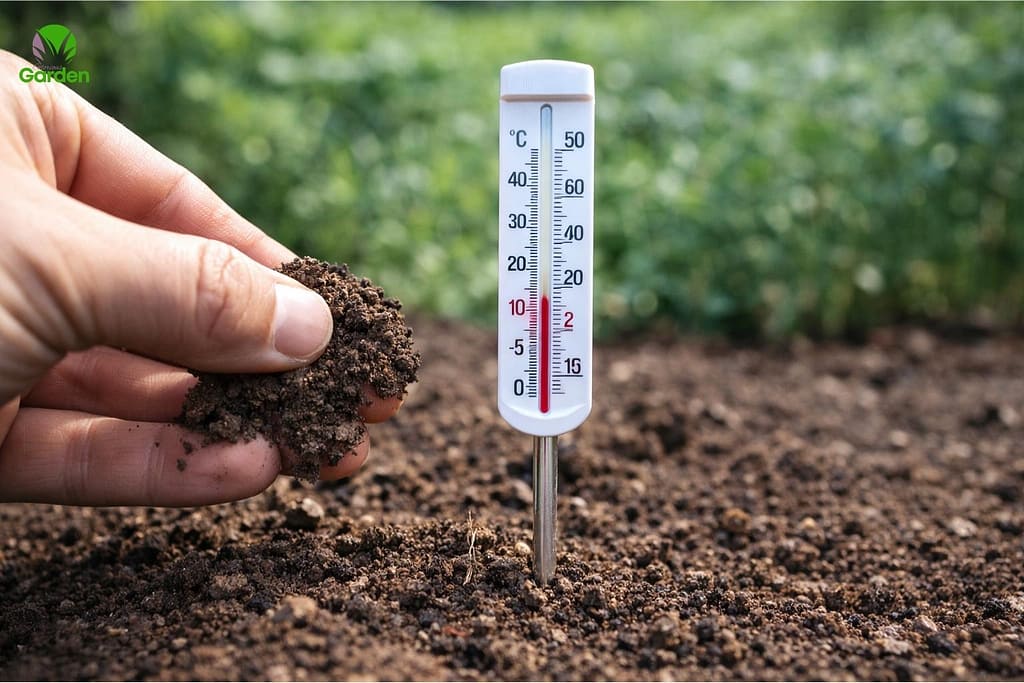
Carrots germinate best when soil temperatures reach roughly 7–10°C. Below that, seeds often sit in the ground doing very little, which increases the chance of patchy germination and seed failure in wet conditions.
This is why planting dates vary across the UK even within the same month. Soil warms earlier in sheltered southern gardens and later in exposed northern areas.
If you want to understand typical regional frost patterns as a planning guide, refer to UK Last Frost Dates by Postcode. Just remember: a frost-free week does not automatically mean warm soil.
Heavy Soil and Carrot Timing in the UK
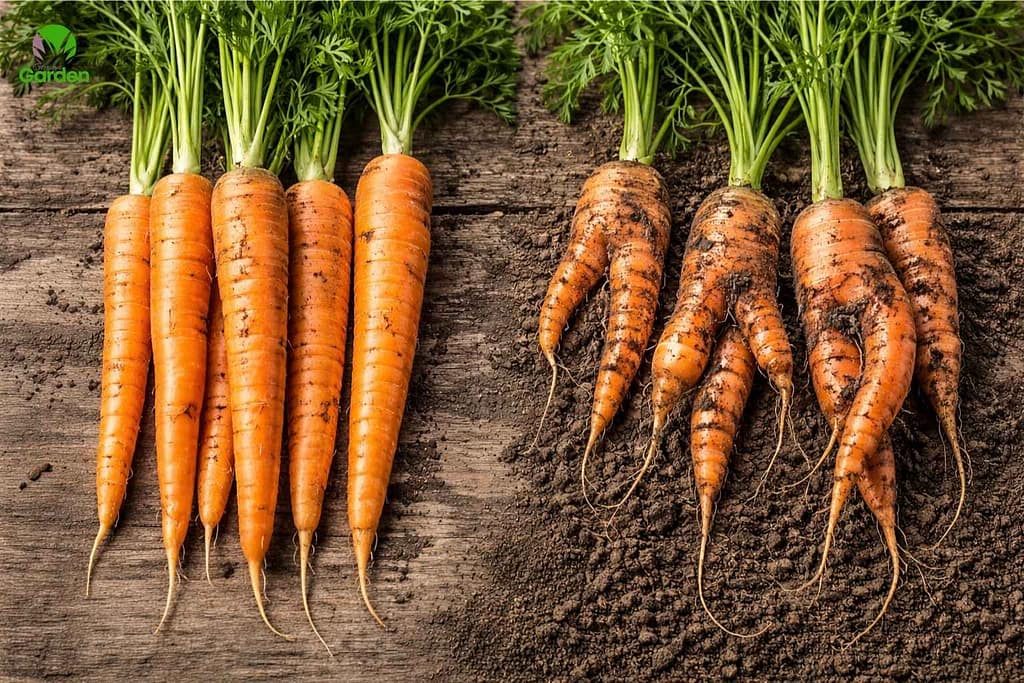
Carrots are particularly sensitive to soil structure. In heavy clay or compacted beds, early sowing is often disappointing because the soil stays colder for longer and roots struggle to grow straight.
In clay-heavy gardens:
- Soil warms slowly in spring
- Drainage is often reduced after winter rain
- Compaction blocks root penetration
- Carrots fork more easily
If your beds feel dense below the surface, compaction may be the limiting factor. See Soil Compaction in UK Gardens for clear signs and practical fixes.
If you are not certain whether your soil is clay-based or simply structurally poor, confirm it first using How to Tell If Your Garden Soil Is Clay, Loam or Sand. That diagnosis saves time and prevents the common mistake of “fixing” the wrong problem.
Is Early Carrot Sowing Worth It?
Many gardeners aim for the earliest possible carrots. Early sowing can work if your soil drains well, beds are not compacted, and you protect seedlings during cold snaps.
However, in many UK gardens a slightly later sowing in warmer soil often overtakes early March rows within weeks. For most people, steady success comes from sowing when the soil is ready, not when the calendar looks tempting.
In the next section, we will look at the best sowing windows by region, how to stagger sowings for continuous harvests, and how to match carrot varieties to your planting timeline.
Regional Guide: When to Plant Carrots in Different Parts of the UK
The UK may be a relatively small country, but carrot planting dates can shift by several weeks depending on location. Soil temperature, exposure, rainfall and elevation all influence when beds are ready.
South West and Coastal South
In Cornwall, Devon, parts of Dorset and other mild coastal areas, sowing can often begin in late March, especially in well-drained soil or raised beds.
Coastal influence keeps temperatures slightly milder, but heavy rainfall can delay workable conditions. Drainage and structure matter more than latitude alone. If soil feels sticky or smears when handled, wait.
London and South East
Urban areas often warm slightly faster due to the heat island effect. In many South East gardens, early to mid-April is a dependable starting point for carrots.
If you are unsure how your local frost timing compares, use the UK Last Frost Date Checker as a planning guide.
Midlands
Mid-April is usually safest in the Midlands. Heavy clay soils are common in this region, which means waiting for soil to dry and warm slightly is often wiser than rushing.
If drainage is slow after winter, improving soil structure steadily over time makes a noticeable difference. See How to Improve Garden Drainage in UK Soil for practical long-term fixes.
Northern England
In many northern gardens, mid to late April is more realistic for consistent germination. Exposed sites may benefit from waiting until the last week of April.
Cold, compacted soil is often the bigger issue here rather than frost alone. If beds feel dense beneath the surface, check for compaction in Soil Compaction in UK Gardens.
Scotland
In central and southern Scotland, sowing typically begins in late April. In cooler Highland or exposed sites, early May is often more reliable.
Patience usually pays off. Carrots sown into warmer soil often catch up quickly with earlier rows planted into cold ground.
Succession Sowing: The Key to Continuous Harvests
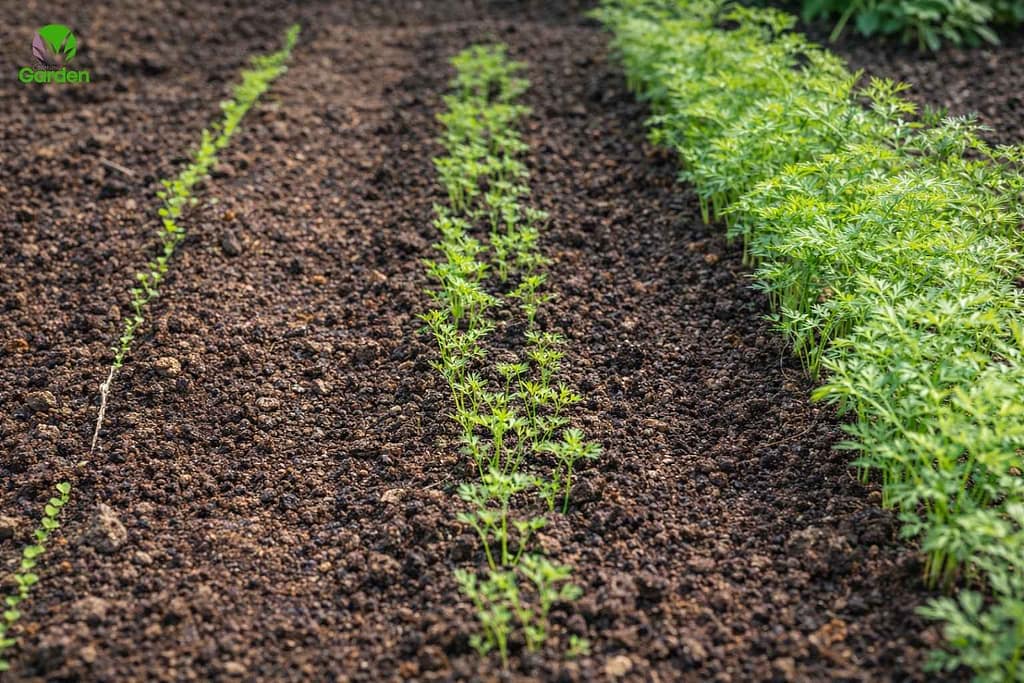
Rather than sowing one large bed in April, many experienced gardeners sow smaller amounts every two to three weeks from April through June.
This approach:
- Spreads harvests across summer and autumn
- Reduces the risk of total crop failure from poor germination
- Avoids glut followed by shortage
Carrots mature at different speeds depending on variety and conditions, but most take between 10 and 16 weeks. By staggering sowings, you keep roots lifting steadily rather than all at once.
Choosing the Right Variety for Your Planting Time
Not all carrots are the same. Variety choice affects sowing window and harvest timing.
Early Varieties
These are suited to early April sowing and produce smaller, tender roots. They are often harvested young and do not store for long periods.
Maincrop Varieties
Best sown from mid-April through May. They produce larger roots and form the bulk of summer harvests.
Late or Storage Varieties
Often sown in May or June for autumn lifting and winter storage. Later sowing avoids the cold soil of early spring and can reduce pest pressure.
Once planted, follow the full growing process in How to Grow Carrots in the UK for thinning, spacing and ongoing care.
Carrot Fly and Planting Timing
Carrot fly activity tends to peak in late spring and again later in summer. While exact timing varies by region, very early or later sowings can sometimes avoid peak egg-laying periods.
Good hygiene, crop rotation and thinning carefully (to avoid releasing scent) all help reduce risk. Timing alone is not a full solution, but it can form part of a wider strategy.
Common Mistakes When Planting Carrots in the UK
Sowing into wet soil
This is the most common mistake. Wet soil smears and compacts easily, especially if walked on. Seeds struggle and roots fork.
If soil can be rolled into a sausage shape easily, it is too wet to work.
Digging heavily before sowing
Deep digging feels productive, but repeated disturbance often collapses soil structure over time. Carrots prefer stable, well-structured soil rather than freshly churned ground.
If you are unsure how your soil behaves, confirm it first using How to Tell If Your Garden Soil Is Clay, Loam or Sand.
Overwatering after sowing
Carrot seeds need consistent moisture to germinate, but not saturation. Water gently and keep the top layer moist, especially during dry spells. Avoid creating a crusted surface.
Preparing the Soil Before Sowing Carrots
Preparation timing matters just as much as sowing timing.
- Clear debris and stones
- Rake to a fine tilth when soil is workable
- Avoid stepping on prepared beds
- Top-dress lightly with compost if structure needs improvement
Do not add fresh manure immediately before sowing carrots. It encourages forked roots and irregular growth.
Long-term improvement comes from building soil structure gradually. For a steady approach that improves drainage and root quality over time, read How to Improve Garden Soil in the UK.
In the final section, we will look at harvesting timelines, how planting time affects flavour and storage, and how to adapt carrot planting to unpredictable UK weather patterns.
How Long After Planting Will Carrots Be Ready?
Carrots typically take between 10 and 16 weeks from sowing to harvest, depending on variety, soil temperature, and growing conditions.
- Early varieties: 10–12 weeks
- Maincrop varieties: 12–14 weeks
- Late or storage varieties: 14–16 weeks
This is why planting month matters. An April sowing may be ready in July. A June sowing may carry you through autumn.
If you stagger sowings every few weeks, you can harvest fresh carrots from early summer through late autumn without overwhelming your kitchen.
How Planting Time Affects Flavour and Root Quality
Carrots grown in steadily warming spring soil tend to develop sweeter flavour and smoother roots. Sudden cold, waterlogging, or drought during early growth often causes:
- Forking
- Thin, weak roots
- Bitter taste
- Woody texture
This links back to soil structure and drainage. Waterlogged ground reduces oxygen around young roots. Compacted soil restricts downward growth.
If you are seeing repeated issues, review:
Correct timing combined with healthy soil is what produces straight, sweet carrots.
Can You Start Carrots Indoors?
Unlike tomatoes or brassicas, carrots do not transplant well. Their roots dislike disturbance, and transplanting almost always leads to forked or stunted growth.
For this reason, carrots are best sown directly outdoors once soil conditions are right.
If you are planning other crops alongside carrots, refer back to When to Plant Vegetables in the UK to coordinate your broader planting schedule.
Adjusting for Unpredictable UK Weather
UK weather can be inconsistent. Late frosts, prolonged rain, and sudden heatwaves all affect carrot timing.
If Spring Is Very Wet
Delay sowing until soil crumbles rather than smears. Wet sowing often leads to poor germination and compacted rows.
Focus on protecting soil structure instead of forcing planting dates. Building soil health steadily over time helps beds recover faster each spring. See How to Improve Garden Soil in the UK for long-term improvements.
If Spring Is Warm and Dry
Earlier sowing may be possible, but consistent moisture becomes critical for germination. Light watering and temporary shade can help prevent the seedbed from drying out.
If a Late Frost Is Forecast
Carrot seedlings tolerate light frost, but harsh cold in exposed gardens can slow growth. Check regional guidance in the UK Last Frost Dates by Postcode guide and use fleece if needed.
Quick Reference: When to Plant Carrots in the UK
- Late March: Mild southern gardens with good drainage
- April: Most reliable starting point for most UK regions
- May: Excellent for steady germination and succession sowing
- June–July: Later sowings for autumn harvest and storage
The exact date matters less than soil readiness. If the soil is workable, warming, and not compacted, carrots respond well.
From Sowing to Growing
Once your carrots are planted at the right time, spacing, thinning, and protection all influence final results.
For full growing instructions, thinning guidance, and pest management, continue with How to Grow Carrots in the UK.
When to Plant Carrots in the UK – Frequently Asked Questions
When is the best month to plant carrots in the UK?
April is the most reliable month to plant carrots in most UK gardens. Soil temperatures are usually high enough for steady germination, and frost risk is lower than in March.
Can I plant carrots in March in the UK?
Yes, but only in mild southern areas with well-drained soil. Cold, wet soil in March often delays germination. In many gardens, waiting until April gives better results.
How late can you plant carrots in the UK?
You can sow carrots as late as July for autumn harvest. Later sowings are often used for storage varieties, but consistent moisture is important during germination in warm weather.
Do carrots need frost protection in the UK?
Carrot seedlings tolerate light frost. However, very cold or exposed sites may benefit from fleece protection during early spring cold snaps.
Why are my carrots not germinating in spring?
The most common reasons are cold soil, compacted ground, or dry seedbeds. Carrots germinate best when soil temperatures reach around 7–10°C and the surface remains evenly moist.
Can I start carrots indoors?
Carrots do not transplant well because their roots are easily damaged. It is best to sow them directly outdoors once soil conditions are suitable.
Does soil type affect when I should plant carrots?
Yes. Clay soil warms more slowly and drains less effectively than sandy or loamy soil. In heavy soil, it is often better to delay sowing until mid or late April.
Related planting guides: See when to plant potatoes in the UK and when to plant onions in the UK for the same month-by-month approach.
A Sensible Place to Start
If you are unsure exactly when to plant carrots in your garden, begin with April.
Wait until the soil crumbles rather than smears. Avoid walking on prepared beds. Sow thinly. Keep the surface evenly moist.
If your garden struggles with drainage or compaction, address those first rather than forcing early sowing. Carrots reward patience far more than they reward speed.
Good timing combined with healthy soil will always outperform rushed planting into cold, wet ground.