

Lettuce is one of the easiest vegetables to grow in UK gardens and can be planted for much of the year. Because lettuce grows quickly and tolerates cool conditions, it is often one of the first crops gardeners sow in spring.
Understanding when to plant lettuce in the UK depends on temperature, daylight, and the type of lettuce being grown. Some varieties grow best in cool spring weather, while others are suited to summer or autumn planting. If you want the full growing guide after choosing your sowing time, read how to grow lettuce in the UK.
If you want a full seasonal overview for many crops, see our guide to when to plant vegetables in the UK. Lettuce fits into several parts of the vegetable planting calendar because it grows quickly and can be sown repeatedly.
The Simple Answer: When Should You Plant Lettuce in the UK?

In most UK gardens lettuce is planted between March and August, depending on the variety and the harvest period you want.
- Early sowing: March to April
- Main sowing period: April to July
- Late sowing: July to August for autumn harvests
Because lettuce grows quickly, many gardeners sow small batches every few weeks rather than planting everything at once.
If you want to check frost timing before early sowing, you can use the UK Last Frost Date Checker. Lettuce tolerates light frost but very cold soil can slow germination.
Why Lettuce Is Perfect for Early Spring Planting
Lettuce prefers cool growing conditions and often grows best during spring and early summer.
Unlike warm-season vegetables such as tomatoes or courgettes, lettuce does not need warm soil to germinate.
- Seeds germinate well in cool soil
- Plants tolerate mild frost
- Leaves develop quickly in spring temperatures
These qualities make lettuce one of the easiest vegetables for beginners to grow.
Growing Lettuce from Seed
Lettuce is usually grown directly from seed. Seeds germinate quickly and plants develop fast compared with many other vegetables.
If lettuce seedlings sit still for long periods after planting, the cause is often soil structure or temperature rather than sowing time. You can learn more about these conditions in our guide explaining why vegetable plants grow slowly in UK gardens.
Sowing Lettuce Seeds Outdoors
Most lettuce seeds are sown directly into garden soil from March onwards once the soil becomes workable.
If soil remains compacted or waterlogged after winter rain, improving soil structure can help seedlings establish more successfully. See how to improve garden drainage in UK soil.
Starting Lettuce Indoors
Lettuce seeds can also be started indoors in seed trays during early spring.
Seedlings can be transplanted outdoors after two to three weeks once the weather improves.
Understanding Your Soil Before Planting Lettuce
Lettuce grows best in loose, well-drained soil with plenty of organic matter. Soil that remains compacted or waterlogged can slow early growth.
If you’re unsure what soil you have in your garden, see how to tell if your garden soil is clay, loam or sand.
Improving soil structure with compost and avoiding compaction helps lettuce establish quickly and produce healthy leaves.
Month-by-Month Lettuce Planting Guide
March
Early sowings begin once soil becomes workable and temperatures start to rise.
April
Main sowing month for many UK gardens as spring conditions improve.
May to June
Ideal months for continuous sowing to keep harvests coming through summer.
July to August
Later sowings can provide lettuce harvests during autumn.
In the next section we’ll look at regional planting differences across the UK, spacing lettuce properly, and common mistakes that reduce harvest quality.
Regional Guide: When to Plant Lettuce Across the UK
The exact planting time for lettuce can vary slightly depending on where you live in the UK. Climate, soil temperature, and exposure to wind all influence how early lettuce can be sown.
South West England
In mild coastal regions such as Cornwall and Devon, lettuce can often be sown from early March. The relatively mild climate allows early spring crops to establish quickly.
London and South East
Across London and much of the South East, lettuce is typically sown between March and July. Warmer spring temperatures often allow earlier planting compared with northern regions.
If you want to check frost timing in your area before early planting, you can use the UK Last Frost Date Checker.
Midlands
In the Midlands lettuce is usually planted from late March onwards. Waiting until soil becomes workable after winter rain improves germination.
If soil becomes compacted during winter, it may affect early growth. See soil compaction in UK gardens to understand how this affects vegetable crops.
Northern England
In northern England lettuce is often planted from late March through summer. Cooler temperatures may delay early sowings slightly.
Scotland
In Scotland lettuce is usually sown from April onwards once soil temperatures begin rising in spring.
How Far Apart Should Lettuce Be Planted?
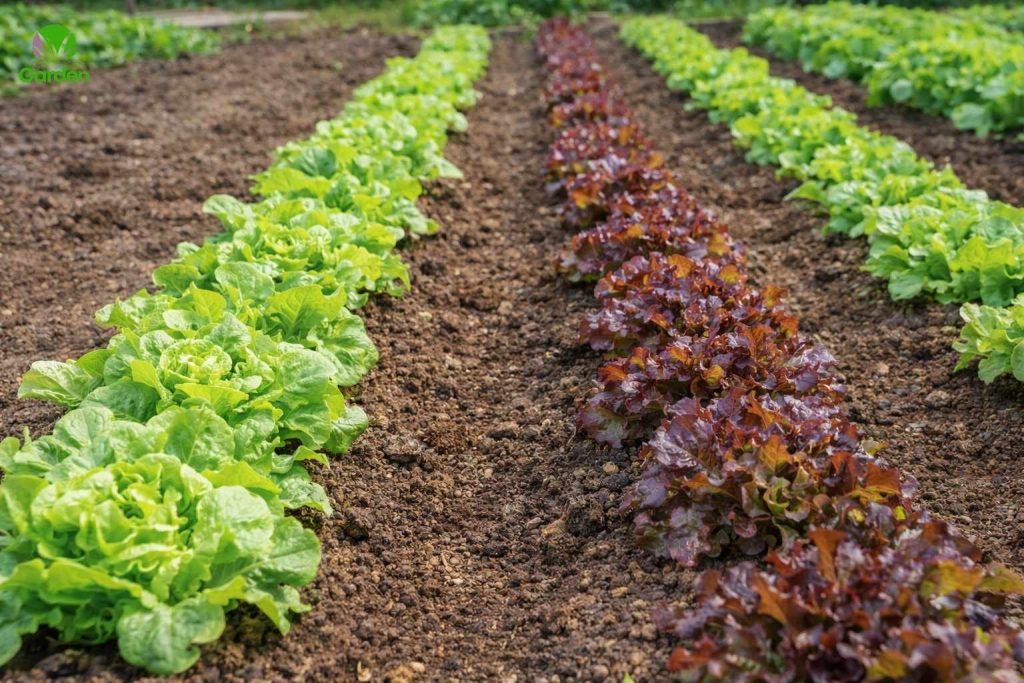
Proper spacing allows lettuce plants to develop healthy leaves and reduces competition for nutrients.
- Leaf lettuce: 15–20 cm apart
- Heading lettuce: 25–30 cm apart
- Row spacing: 30 cm between rows
If lettuce plants are crowded too closely together, airflow is reduced and plants may become smaller.
Types of Lettuce Commonly Grown in the UK
Several types of lettuce grow well in UK gardens.
Leaf Lettuce
Leaf lettuce grows quickly and can be harvested repeatedly by picking individual leaves.
Butterhead Lettuce
Butterhead varieties produce soft round heads and are commonly grown in spring and early summer.
Cos (Romaine) Lettuce
Cos lettuce forms upright heads and grows well during cooler periods of the growing season.
Common Lettuce Planting Mistakes
Sowing Too Much at Once
Lettuce grows quickly, so planting too much at the same time often leads to excess harvest all at once. Many gardeners sow small amounts every few weeks instead.
Planting in Dry Soil
Lettuce needs steady moisture to develop tender leaves. Dry soil can slow growth and cause bitter leaves.
Ignoring Soil Quality
Lettuce grows best in soil rich in organic matter. Improving soil health can significantly improve growth. See how to improve garden soil in the UK.
Growing Lettuce in Containers
Lettuce grows very well in containers and raised beds, making it ideal for small gardens and patios.
Containers should be at least 15–20 cm deep and placed in a sunny or lightly shaded location.
In the final section we’ll cover harvest timing, how long lettuce takes to grow, and how to keep plants producing leaves throughout the season.
When Will Lettuce Be Ready to Harvest in the UK?
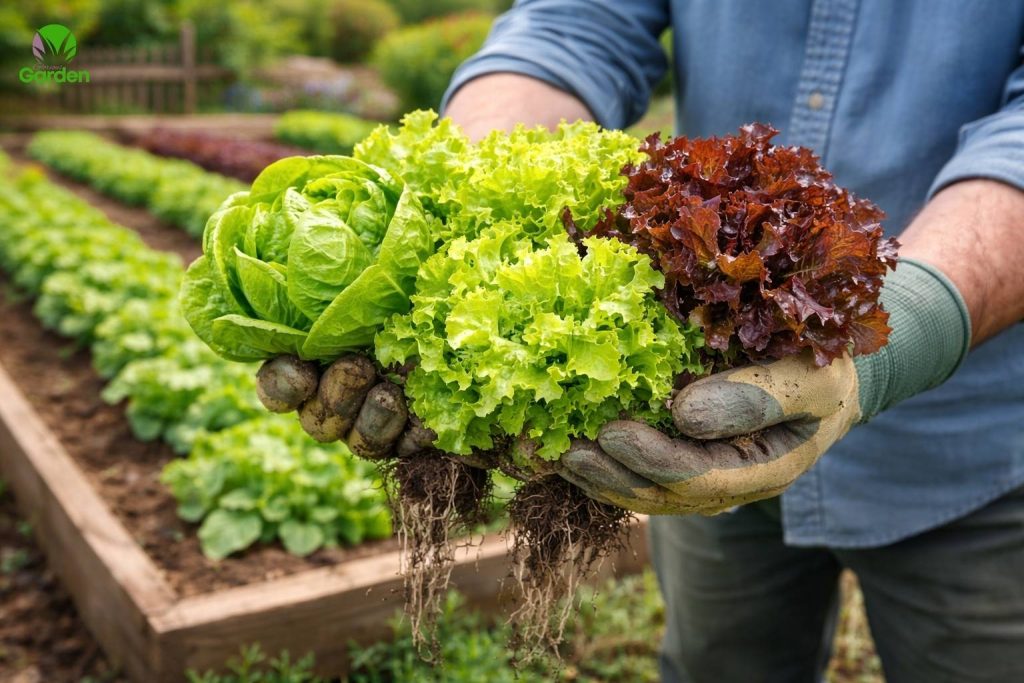
Lettuce grows quickly compared with many other vegetables. In most UK gardens lettuce can be harvested around 4 to 8 weeks after sowing depending on the variety and growing conditions.
- Leaf lettuce: ready in 4–6 weeks
- Heading lettuce: ready in 6–8 weeks
Leaf varieties can be harvested repeatedly by picking outer leaves while allowing the plant to continue growing.
How Planting Time Affects Lettuce Harvests
The timing of sowing influences how quickly lettuce grows and the quality of the leaves.
Early spring sowing
- Produces tender leaves
- Lower risk of plants bolting
- Ideal for early harvests
Summer sowing
- Plants grow very quickly
- Regular watering becomes more important
- Partial shade can help prevent leaves becoming bitter
Late sowing
- Provides harvests in autumn
- Cooler conditions slow growth slightly
Healthy soil structure plays an important role in lettuce growth. If soil becomes compacted, roots struggle to develop properly. See soil compaction in UK gardens to understand how this affects vegetable crops.
How to Keep Lettuce Producing All Season
Many gardeners grow lettuce continuously throughout the growing season by sowing small batches every few weeks.
This method, known as succession planting, ensures fresh leaves are available for a longer period.
- Sow small batches every 2–3 weeks
- Harvest leaves regularly
- Keep soil evenly moist
Following this approach allows a steady supply of lettuce from spring through autumn.
Quick Reference: When to Plant Lettuce in the UK
- Sow lettuce seeds: March to August
- Main sowing months: April to July
- Harvest lettuce: May to October
If you are planning a full vegetable garden, it also helps to understand planting times for other crops. See our guides on when to plant carrots in the UK, when to plant peas in the UK, and when to plant tomatoes in the UK.
When to Plant Lettuce in the UK – Frequently Asked Questions
When should lettuce be planted in the UK?
Lettuce is usually planted in the UK between March and August. Many gardeners start sowing seeds in early spring once soil becomes workable and continue sowing small batches through summer for regular harvests.
Can lettuce grow in cold weather in the UK?
Yes. Lettuce grows well in cool temperatures and can tolerate light frost. This makes it one of the earliest vegetables that can be planted in spring in many UK gardens.
How long does lettuce take to grow?
Most lettuce varieties are ready to harvest within 4 to 8 weeks after sowing. Leaf lettuce grows faster and can often be harvested earlier than head-forming varieties.
Can lettuce be grown all year in the UK?
Lettuce can be grown for much of the year in the UK, especially if varieties suited to cooler weather are used. With protection such as cold frames or greenhouses, lettuce can sometimes be grown even during winter.
Does lettuce grow better in sun or shade?
Lettuce grows best in full sun during spring and early summer. During hot weather, partial shade can help prevent plants from bolting and keep leaves tender.
Why does lettuce sometimes turn bitter?
Lettuce can become bitter if plants grow too slowly, become stressed from heat, or are left too long before harvesting. Regular watering and harvesting leaves early usually helps prevent bitterness.
A Sensible Place to Start
If you are unsure when to plant lettuce in your garden, begin with a small sowing in April once soil becomes workable.
Choose a sunny location, keep soil evenly moist, and sow small batches every few weeks rather than planting everything at once.
With the right timing and steady care, lettuce becomes one of the easiest and most rewarding vegetables to grow in UK gardens.