
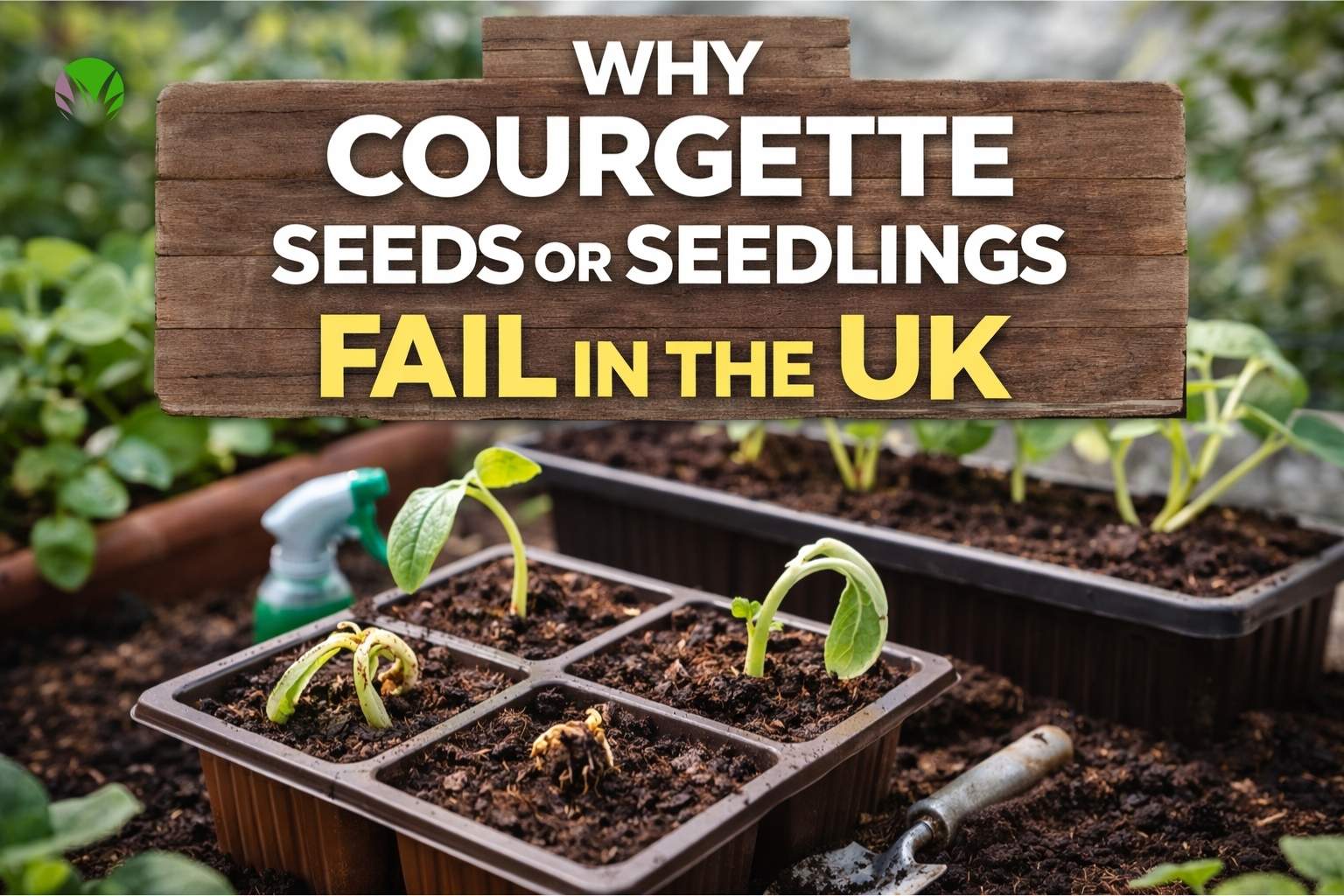
Courgettes are usually seen as easy, productive vegetables, but the early stage can go wrong surprisingly quickly.
Seeds fail to come up, seedlings collapse, stems rot, leaves stall, or young plants simply sit there doing very little. For beginners, this is frustrating because courgettes are often described as simple to grow. That is true later on, but only if they get through the start properly.
In the UK, this early failure is usually caused by conditions rather than bad seed.
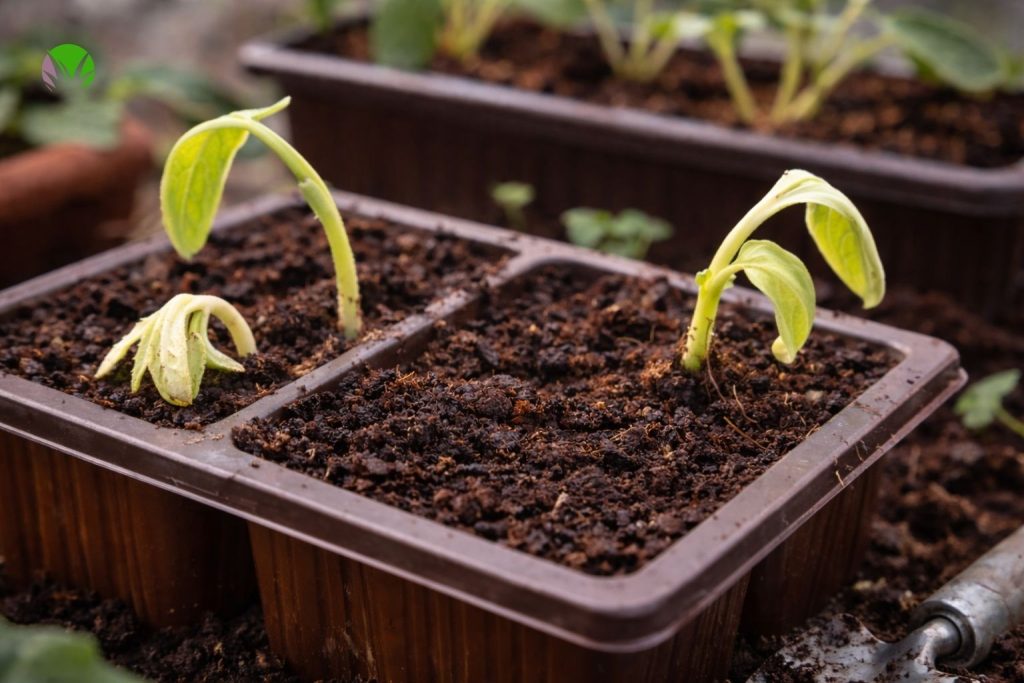
Courgettes are warmth-loving plants. If the compost is too cold, too wet, too dark, or the seedlings are moved on too early, they often struggle before they have had a fair chance. That is why the sowing and seedling stage matters so much.
The good news is that most courgette failures make sense once you look at the setup clearly.
In this guide, we’ll look at why courgette seeds or seedlings fail in the UK, how to fix the most common problems, and how to give young plants a much better start.
If you want the wider growing basics first, read How to Grow Vegetables in the UK. If you want the timing side for this crop, read When to Plant Courgettes in the UK. For the broader seasonal picture, it also helps to read When to Plant Vegetables in the UK.
Quick Answers
Why are my courgette seeds not germinating?
Usually because the compost is too cold, too wet, or the seed has rotted before it could establish.
Why have my courgette seedlings collapsed?
This is often caused by overly wet compost, poor airflow, or weak early conditions that lead to rotting at the base of the stem.
Do courgettes need warmth to germinate?
Yes. Courgettes are a warm-season crop and usually germinate much better in warm, steady conditions than in cold spring compost.
Should courgettes be started indoors in the UK?
Usually yes. They are often started under cover first, then planted out once conditions are warm enough.
Can weak courgette seedlings recover?
Sometimes, yes. But badly rotted or collapsing seedlings usually do not improve, so prevention matters more than rescue.
Why Courgettes Often Fail Early
Courgettes are fast growers, but they are not cold-tolerant seedlings.
This is where many problems begin. Gardeners see warm days in spring and assume the conditions are ready, but courgettes care far more about steady warmth than one pleasant afternoon. If the compost is cold, the nights are chilly, or the seedlings are left in weak conditions, they can struggle almost immediately.
This is why early failure is often about mismatch.
The seed or seedling is ready to grow, but the conditions around it are not supporting that growth properly. In the UK, that usually means one or more of these issues:
cold compost,
too much water,
poor light,
weak airflow,
or planting out too early.
If you are sowing in spring, it also helps to understand Cold Soil Problems in UK Gardens, When Is Soil Warm Enough to Plant Vegetables, and Signs Soil Is Ready for Planting Vegetables.
Once you understand that, courgette failure becomes far less mysterious.
Why Courgette Seeds Do Not Germinate Properly
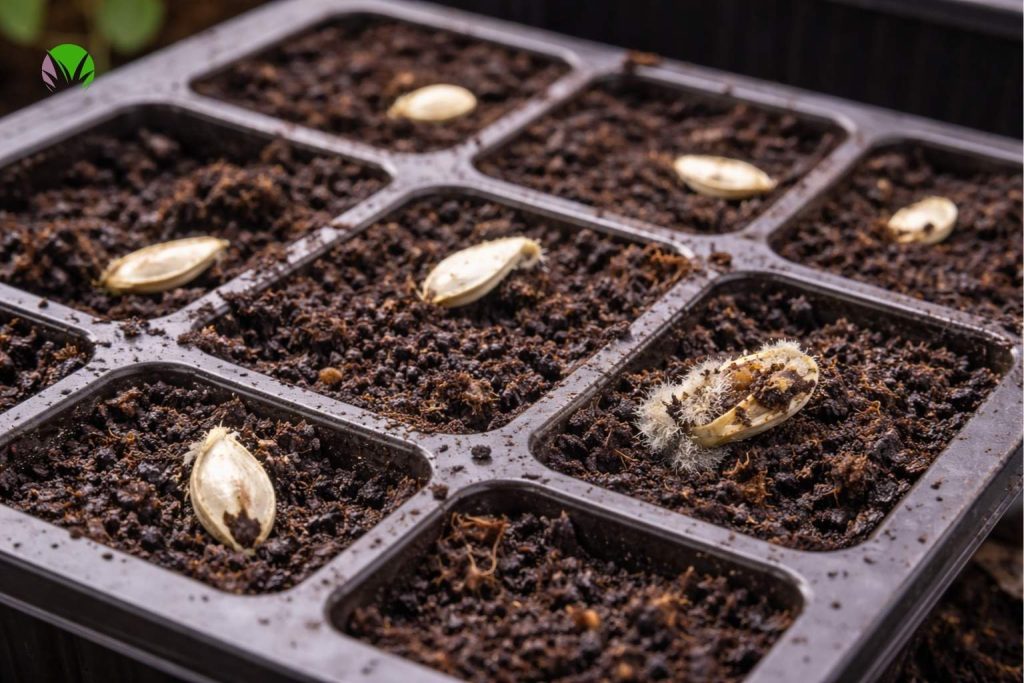
The most common reason is cold, wet compost.
Courgette seeds do not like sitting for long periods in chilly, soggy conditions. If they are warm enough, they usually move quickly. If they are not, they may sit still, soften, and rot before they ever emerge.
This is why sowing too early causes so many problems.
People often think starting earlier gives them a head start. With courgettes, it can simply mean the seeds spend too long in poor conditions. A slightly later sowing into proper warmth often performs much better than an early sowing that struggles.
Another issue is sowing too deep or overwatering straight after sowing.
You want the compost moist, not soaked. Seeds need moisture, but they also need enough air around them to avoid rotting.
Why Courgette Seedlings Collapse
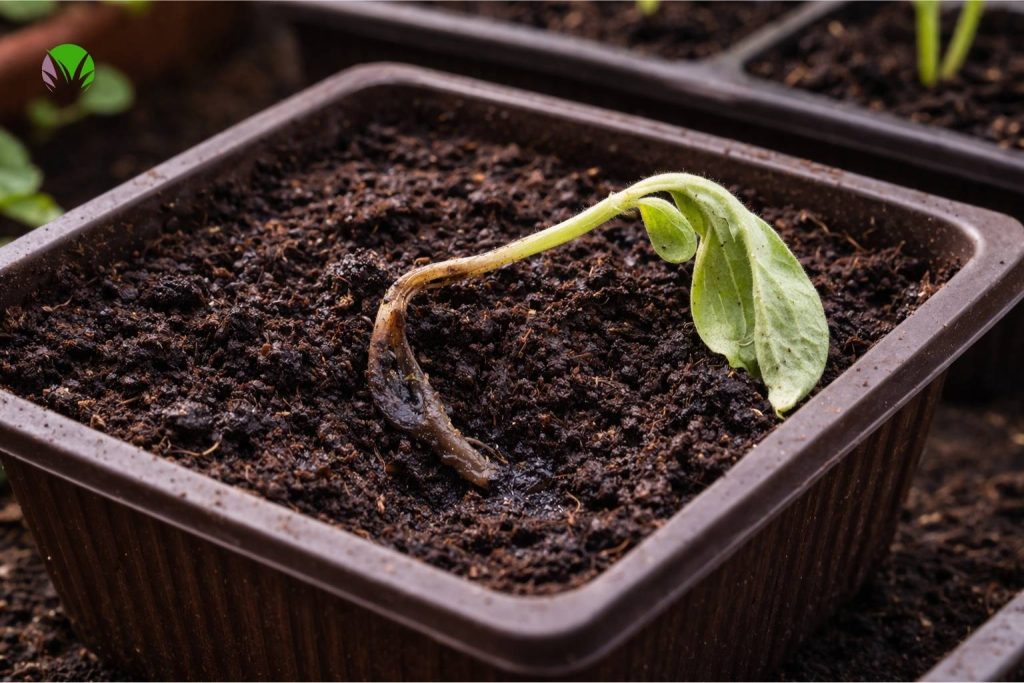
If seedlings come up and then suddenly fall over or rot at the base, that usually points to weak, overly wet conditions.
The stem near the compost surface may look pinched, thin, or darkened. Once that happens, the seedling often collapses very quickly. This is one of the most disheartening early problems because the plant looked fine only a short while earlier.
Too much moisture is often behind it.
If compost stays too wet and the air around the seedlings is still, young plants become much more vulnerable. Warmth without airflow can also create weak, soft growth that struggles to support itself properly.
If you are seeing repeated early failures across crops, it may also help to read Common Vegetable Growing Problems in UK Gardens.
Why Courgette Seedlings Go Weak or Pale
Weak seedlings are often caused by poor light or too much warmth without enough light.
If seedlings germinate in warmth but are then kept in a dim space, they may become stretched, pale, and unbalanced. They are trying to grow, but the light is not strong enough to support sturdy development.
Instead of becoming strong and broad, they often just look soft, fragile, or overly drawn upwards for their size. Once that happens, they are harder to move on confidently.
Planting Out Too Early
This is one of the biggest courgette mistakes in UK gardens.
Even if seedlings look decent indoors, they can stall badly if they are planted out before the weather is truly warm enough. Cold nights, chilly soil, and exposure can check them hard. Some sit still for weeks. Others soften, yellow, or collapse altogether.
Courgettes are not peas or lettuce. They are not meant for cold spring treatment.
That is why patience matters so much. They usually need a later, warmer move than beginners first expect.
If you are raising them in pots or modules first, you may also find Can You Grow Vegetables in Pots in the UK? useful.
In the next part, we’ll cover exactly how to prevent these failures, how to sow courgettes properly, and what to do when seedlings are struggling but not yet lost.
How to Stop Courgette Seeds and Seedlings Failing
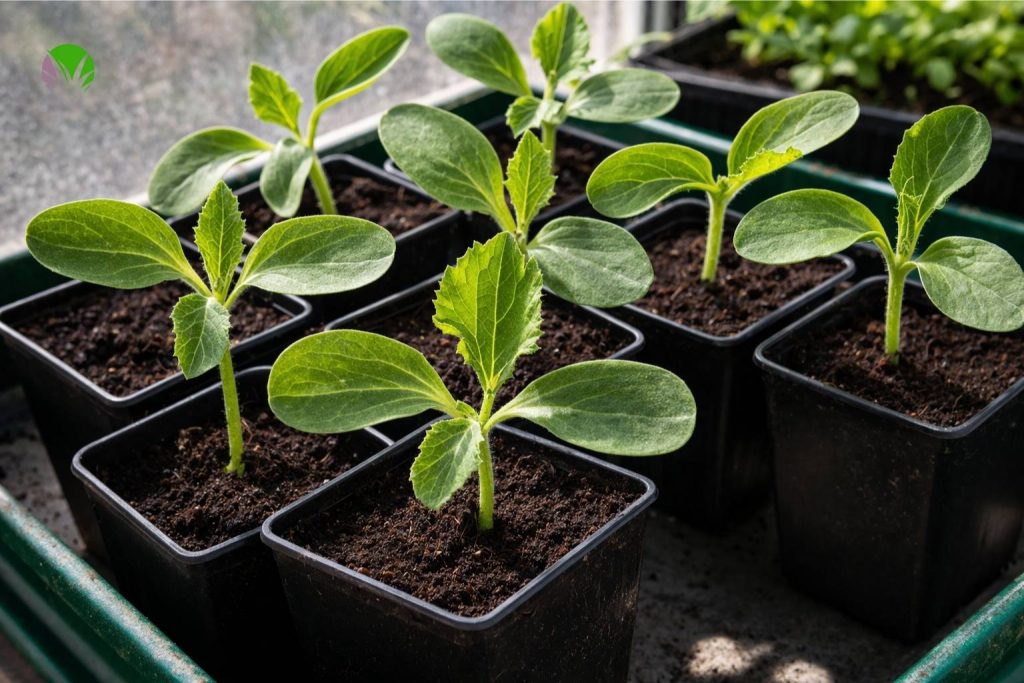
The best way to avoid failure is to give courgettes a simple, warm, steady start.
That usually means not sowing too early, not soaking the compost, and not rushing seedlings out into cold conditions. Courgettes grow fast when they are comfortable. They struggle when they are checked early.
Warmth matters first.
If you are sowing under cover, make sure the seed is going into conditions that feel properly settled rather than just occasionally mild. Courgettes do not need extreme heat, but they do need warmth that holds, not a cold windowsill or chilly greenhouse bench that drops badly overnight.
Moisture matters too, but it needs balance.
The compost should be damp enough to support germination, not wet enough to rot the seed. One of the most common mistakes is watering too heavily after sowing and then assuming the tray or pot should stay very wet the whole time. It should not.
Airflow and light become more important once seedlings emerge.
As soon as young plants are up, they need enough light to stay sturdy and enough fresh air around them to avoid becoming soft and weak. This is where many starts go wrong. The seed germinates successfully, but the seedling is then left in conditions that are too dim or too still.
How to Sow Courgettes Properly
Courgettes are best sown simply, not fussed over.
Use a clean pot or module with decent compost and sow the seed into warm, lightly moist conditions. Do not cram several seeds into one small space if you can help it. These are vigorous plants and they do better with a clean start.
If you are sowing more than one, it is usually easier to sow them individually or give them enough room that you are not forced into awkward thinning later.
Once sown, keep the compost just moist enough and place the pots somewhere bright and warm enough for steady germination. If the conditions are right, courgettes usually move quite quickly.
If the conditions are wrong, the seed may sit doing very little.
That is often the key difference. Fast germination usually comes from good conditions. Slow, uneven, or failed germination usually points to a problem with the setup.
Should You Start Courgettes Indoors or Outside?
In most UK gardens, starting them under cover first is the safer option.
Courgettes are a warm-season crop, so the main advantage of sowing indoors or under cover is that you can control the early conditions better. You are not exposing the seed straight away to cold soil, spring rain, and fluctuating temperatures.
That said, starting indoors only helps if the indoor conditions are actually suitable.
If the space is too dim, too cold at night, or too wet, the seedlings can still go wrong. So indoor sowing is not automatically better. It is just easier to get right if you pay attention to warmth, light, and watering.
Direct sowing outside can work later, once the weather and soil are warm enough, but it is usually less forgiving earlier in the season.
What to Do if Courgette Seeds Have Not Come Up
First, think about how long they have been sitting and what the conditions have been like.
If they were sown into cold, wet compost and nothing has happened, the seed may have rotted. If the compost has dried out too much, germination may have stalled. If the conditions have simply been too cold, the seed may still be inactive rather than dead.
The sensible response is usually not to keep waiting forever.
If there is no sign of movement and the setup has clearly been poor, a fresh sowing into better conditions is often the best answer. Courgettes grow quickly enough that restarting is usually far less damaging than trying to rescue a bad start for too long.
What to Do if Seedlings Are Weak but Still Alive
If seedlings are pale, soft, or a little stretched but not collapsing, improve the conditions immediately.
Move them into better light, keep the compost only lightly moist, and avoid extra feed at this stage unless they have clearly exhausted their compost and are otherwise healthy. Feeding weak seedlings too early usually does not solve the real issue.
The goal is to make them sturdier, not faster.
If they are crowded, separate or pot them on carefully. If the air around them is very still, more ventilation may help. If they are simply too cold at night, a better protected spot can make a real difference.
When to Start Again
Sometimes restarting is the better option.
If seedlings have collapsed, stems have rotted, or the whole batch has become weak and miserable, a fresh sowing in better conditions is often much easier than trying to save plants that never had a proper start.
This is especially true with courgettes because they grow quickly once conditions are right.
A second sowing made at the proper time often overtakes an earlier struggling batch very quickly. That is why there is no need to panic if your first attempt goes badly. You usually still have time to get it right.
Can Cold Soil Cause Problems Even After Planting Out?
Yes, definitely.
Even a healthy seedling can stall if it is planted into soil that is still too cold. Leaves may stop moving, the plant may sit still for a long time, and growth can become patchy or dull. This does not always mean the plant is dying. Often it means the roots are unhappy.
That is why warm-weather crops need patience in spring.
If you want more help on this side of things, it is worth reading Cold Soil Problems in UK Gardens and When Is Soil Warm Enough to Plant Vegetables.
Frequently Asked Questions
Why are my courgette seeds not germinating?
Courgette seeds usually fail to germinate because the compost is too cold, too wet, or the seed has rotted before it could establish properly.
Why have my courgette seedlings collapsed?
This is often caused by overly wet compost, poor airflow, or weak early growing conditions that lead to rotting at the base of the stem.
Do courgettes need warmth to germinate?
Yes. Courgettes are a warm-season crop and germinate much better in warm, steady conditions than in cold spring compost.
Should courgettes be started indoors in the UK?
Usually yes. In most UK gardens, courgettes are started under cover first and planted out later once conditions are warm enough.
Can weak courgette seedlings recover?
Sometimes, yes. If they are weak but still alive, better light, steadier conditions, and careful watering may help. But badly rotted or collapsing seedlings usually do not recover well.
Why do courgette seeds rot in compost?
They often rot because the compost is too wet, too cold, or both. Courgette seeds do not like sitting in chilly, soggy conditions for long periods.
Why are my courgette seedlings pale or stretched?
This is usually caused by poor light or too much warmth without enough light. The seedlings try to grow quickly but do not have the conditions to stay sturdy.
Can I direct sow courgettes outside in the UK?
Yes, but usually only once the weather and soil are warm enough. Earlier in the season, starting them under cover is often more reliable.
Should I feed weak courgette seedlings?
Not usually straight away. Feeding does not solve the main problem if seedlings are weak because of poor light, cold conditions, or overwatering.
Is it better to start again if courgette seedlings fail?
Often, yes. Courgettes grow quickly, so a fresh sowing made in better conditions often catches up fast and performs much better than a batch that struggled from the start.
Can cold soil damage courgette seedlings after planting out?
Yes. Even healthy seedlings can stall badly if planted into cold soil. Growth often becomes slow, dull, or patchy until the ground warms properly.
What is the biggest cause of courgette seedling failure in the UK?
The biggest cause is usually poor early conditions, especially cold compost, overwatering, weak light, or planting out too early.
A Sensible Place to Start
If your courgette seeds or seedlings have failed, the most useful thing you can do is look at the conditions rather than assume you got unlucky.
Courgettes usually fail early because the compost was too cold, too wet, too dim, or the plants were pushed out too early. Once you fix those basics, they are often one of the easiest vegetables to grow well.
Start with warmth, steady moisture, and patience.
If needed, sow again rather than dragging weak plants along. A fresh start in better conditions is often the quickest route to a stronger crop.
If you want to build from here, the most useful next reads are:
When to Plant Courgettes in the UK
How to Grow Vegetables in the UK
When to Plant Vegetables in the UK
Cold Soil Problems in UK Gardens
Common Vegetable Growing Problems in UK Gardens