
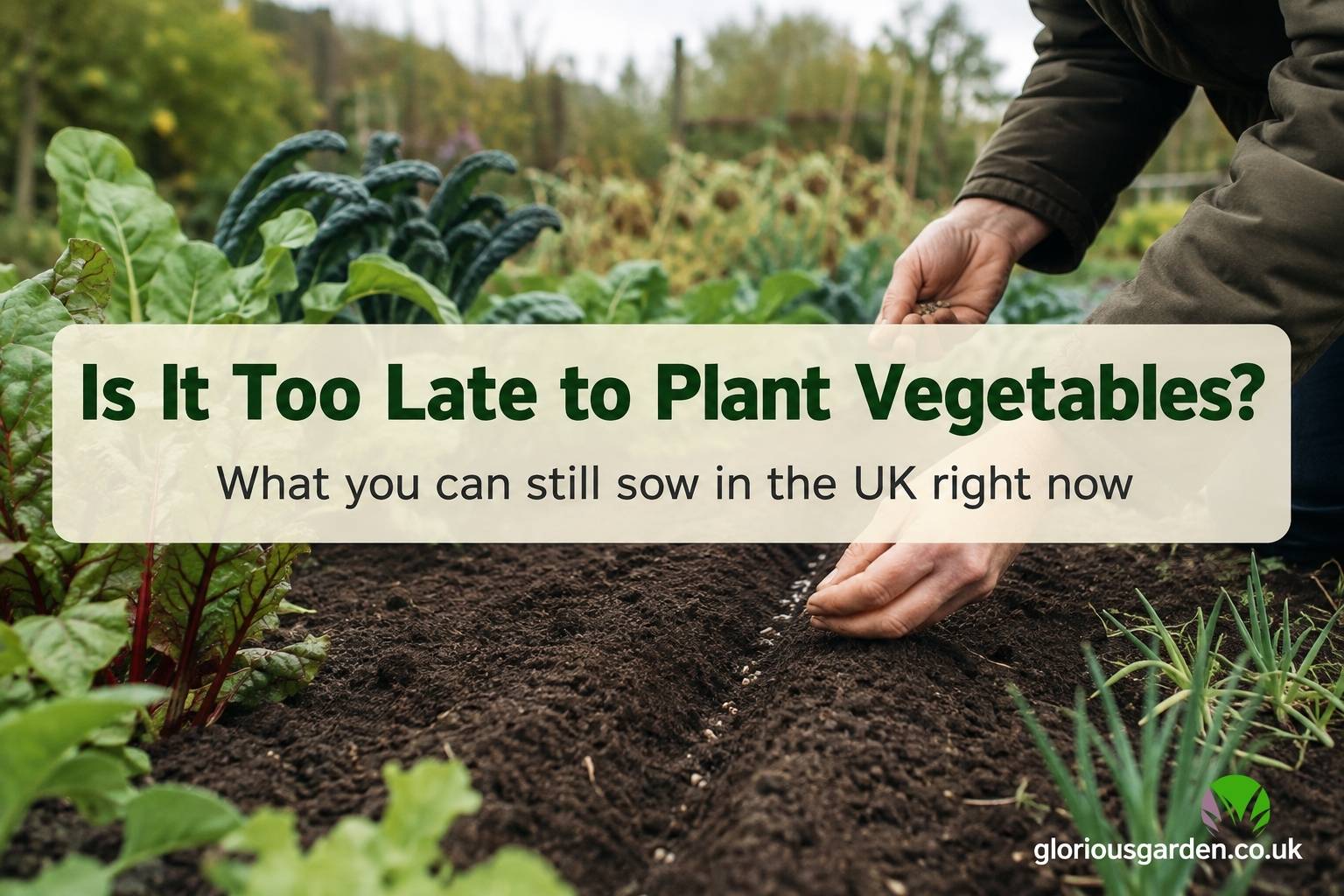
Is it too late to plant vegetables? In the UK, the honest answer for early August is: for some crops yes, but for plenty of others there is still time, and a surprising amount can go in now for an autumn or even winter harvest. The crops whose window has closed are the long-season, heat-loving ones like tomatoes, pumpkins and runner beans from seed. But fast crops like salad leaves, radishes, spring onions and turnips can still be sown, and hardy vegetables for autumn and winter are exactly right for now. The table below gives you a straight yes or no for the vegetables people most often ask about, so scroll down, find your crop, and you will know where you stand.
Some of the links on this page are affiliate links. If you buy something through one of them I may earn a small commission, at no extra cost to you. I only ever point you towards kit I would happily use in my own garden.
I have lost count of the number of times, over twenty-odd years growing on heavy Oxfordshire clay, that I have stood over a bare patch of ground in July or August wondering if there was any point sowing anything. The instinct is to think the growing year is over by midsummer. It is not. The sowing year has two halves, and the second one, the autumn and winter crops, is one that beginners almost always miss. So before you write the season off, let me talk you through what is genuinely too late, what is still worth a go, and what you should actually be sowing right now instead.
Is It Too Late to Plant Vegetables? The Quick Answer Table
This table is for early to mid August, the point in the season when most people start asking the question. Dates shift a little with your region and the weather, and everything is a week or two more generous in the mild South West and tighter in the North and Scotland. Where a crop is borderline, I have said so honestly rather than pretending.
| Crop | Too late in August? | What to do |
|---|---|---|
| Peas | Borderline | A quick early variety sown now can crop in October in the south. Worth a gamble. See when to plant peas. |
| Runner beans (from seed) | Yes | Too late to sow. Buy young plants if you must, but the window has really gone. More here. |
| French beans | Borderline | A fast dwarf variety sown very early August may just crop in the south. Details. |
| Carrots | No | Still fine. A sowing now gives tender autumn carrots and dodges carrot fly. See when to plant carrots. |
| Beetroot | No | Still good for a bolt-free autumn crop. More on beetroot. |
| Tomatoes (from seed) | Yes | Far too late to start from seed. Existing plants are your only crop now. Why. |
| Pumpkins & squash | Yes | Too late. They need the whole summer. Note it for late May next year. Pumpkin timing. |
| Cucumbers (from seed) | Yes | Too late to sow. Established plants will keep cropping into autumn. More. |
| Courgettes | Yes | Too late to start. Existing plants crop until the first frost. Details. |
| Broccoli (sprouting) | Borderline | Too late for seed, but young plants put in now crop next spring. More. |
| Cabbage (spring) | No | Right on time to sow spring cabbage for next year. When to plant cabbage. |
| Cauliflower | Borderline | Too late for most from seed now; young autumn-type plants only. Details. |
| Lettuce & salad leaves | No | Perfect. Fast, and autumn is kinder to lettuce than high summer. More. |
| Spinach | No | Ideal now. Autumn is spinach’s best season. When to plant spinach. |
| Spring onions | No | Still fine, quick and hardy. |
| Radishes | No | Absolutely not too late. Ready in weeks. |
| Turnips | No | Good now for a tender autumn crop. |
| Onions & leeks | Yes (mostly) | Too late for this year’s spring sowings; autumn onion sets go in from September. Onions and leeks. |
| Sweetcorn | Yes | Too late. It needs the full summer to ripen. More. |
| Potatoes | Borderline | Second-cropping seed potatoes planted now give new potatoes at Christmas. |
The Crops That Really Have Missed the Boat
Let me be straight, because there is no kindness in pretending. If you are reading this in August, the heat-loving, long-season crops are done for the year from seed, and no amount of optimism will change it. Tomatoes, pumpkins, squash, sweetcorn, cucumbers and courgettes all need the entire summer to grow, flower, and ripen fruit, and there simply are not enough warm weeks left. A tomato seed sown now would still be a small green plant when the first frosts kill it.
The same goes for runner beans from seed and maincrop onions. If you already have established plants of any of these, that is completely different, keep looking after them and they will crop into autumn until the frost stops them. But starting them from scratch now is throwing seed away. The honest move is to note the right time in the vegetable planting calendar for next year, and turn your attention to what actually will grow.
What You Should Be Sowing Right Now Instead
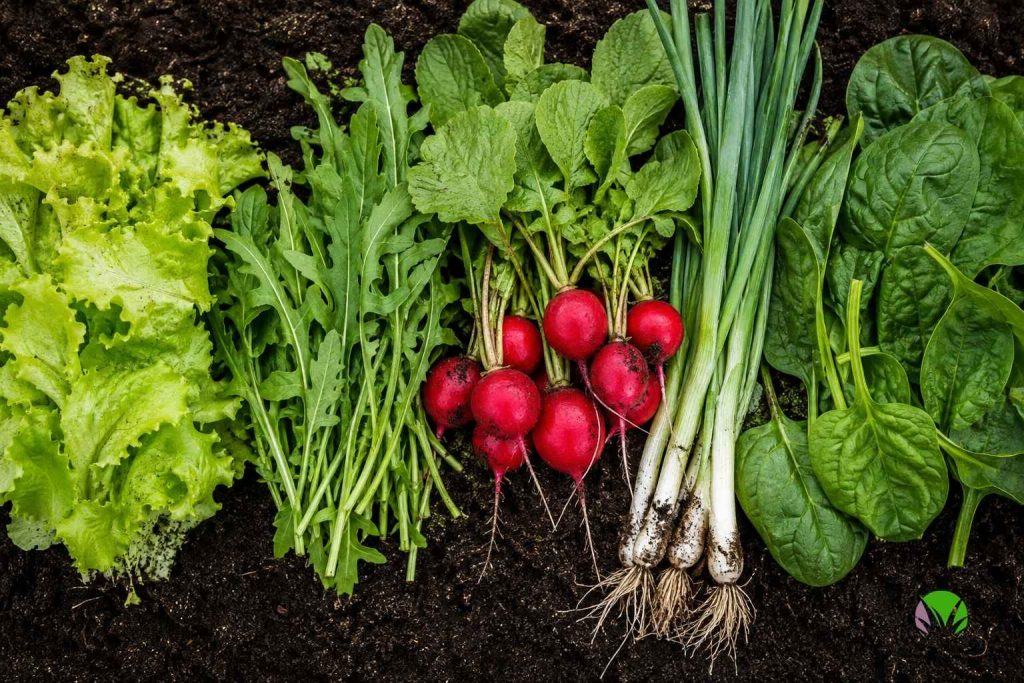
Here is the part beginners miss, and it is genuinely cheering. Late summer is not the end of sowing, it is the start of the autumn and winter growing season, and there is a whole set of crops that positively prefer to go in now. Fast salad crops are the obvious win: lettuce, rocket, radishes, spring onions and turnips are all ready in a matter of weeks, and many of them grow better now than in the heat of high summer, when lettuce bolts and rocket runs to seed.
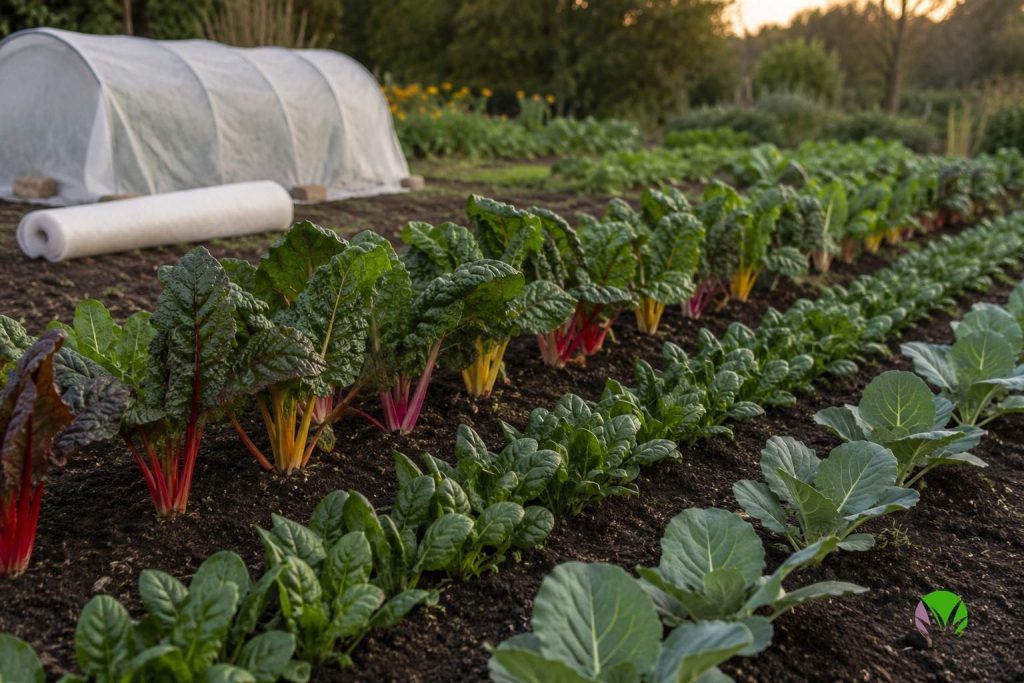
Then there are the hardy autumn and winter vegetables that are exactly on time: spinach, chard, oriental leaves like pak choi and mizuna, spring cabbage, and overwintering varieties that sit through the cold and crop early next year. This is also the moment for autumn-planting onion sets and garlic as September approaches. There is a full rundown in what to sow in August and what to sow in September, which are the two pages to bookmark right now.
The Borderline Crops Worth a Gamble
Some crops sit right on the edge in August, and whether they work depends on your region, the variety, and a bit of luck with the autumn. I am a great believer in the cheap gamble here: a packet of seed costs little, an empty bed earns nothing, so if you have the space it is worth a punt on the borderline crops even knowing they might not fully mature.
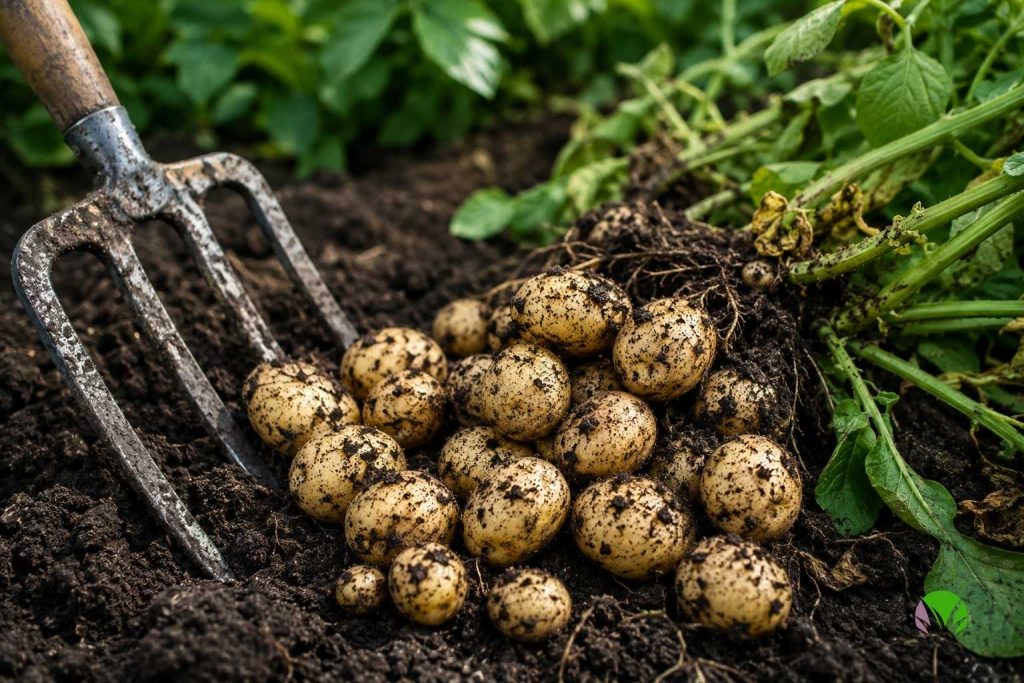
A quick early pea variety sown in early August can crop in October in the milder half of the country, though it is too late to plant tomatoes from seed by now, and there is a full guide to whether it is too late to plant peas where you are. Dwarf French beans, being faster than runners, are just about worth trying very early in the month down south. And second-cropping seed potatoes, a special late-planting type, go in now to give you fresh new potatoes at Christmas, which is one of the nicest tricks in the whole gardening year. In the North and Scotland these gambles are longer odds, so lean instead on the reliable fast salads and hardy leaves. A bit of horticultural fleece to hand extends every one of these windows by warming the soil and buying you a couple of extra weeks in autumn.
Where You Garden Changes the Answer
Every date on this page shifts with your location, and it matters more in late summer than at any other time, because you are racing the first frost. In the South West and the milder south, autumn arrives late and you have the most generous windows, so the borderline crops are genuinely worth trying. Across the Midlands, treat the dates here as written. In northern England and Scotland the first frost comes weeks earlier, so be stricter: stick to the fast, reliable crops and the hardy overwintering leaves, and do not gamble on anything that needs to mature before the cold.
The single most useful thing you can know here is your own average first frost date, because that is the finish line everything is running towards. It is worth checking against the UK frost dates by postcode, and remember a greenhouse, cold frame or even a cloche effectively moves you a zone south by keeping the frost off. Growing in pots and containers helps too, since you can move them somewhere sheltered as the nights draw in.
Why Late Sowing Is a Habit Worth Keeping
Once you get into the rhythm of it, you stop seeing August as the end of anything. The gardeners who harvest something in every month of the year are not doing anything clever, they are simply sowing hardy crops in late summer while everyone else assumes the season is over. A row of spinach, some winter salad leaves, spring cabbage and a few autumn-planted onions will give you fresh food right through the lean months when the shops are at their most expensive.
So the answer to “is it too late” is almost never a flat yes. It is too late for that particular crop, perhaps, but there is nearly always something you can sow instead. If you are just getting going, the beginner’s guide and the general how to grow vegetables pages will set you up, and the August gardening jobs list keeps you right on everything else that needs doing this month.
Is It Too Late to Plant Vegetables? Frequently Asked Questions
Is it too late to plant vegetables in the UK?
No, not for many crops. In August you can still sow fast salads, radishes, spring onions, turnips, spinach and hardy autumn and winter vegetables. Only the long-season, heat-loving crops like tomatoes and pumpkins are too late from seed.
Is it too late to plant peas?
Borderline. A quick early variety sown in early August can crop in October in the milder south, so it is worth a gamble. In the North stick to reliable autumn crops instead.
Is it too late to plant runner beans?
From seed, yes. Runner beans need the full summer, so sowing in August will not give a crop before the frost. Existing plants keep cropping into autumn.
Is it too late to plant carrots or beetroot?
No. Both are still fine in August for a tender autumn crop, and a late carrot sowing even dodges the worst of carrot fly. Sow into warm, moist soil and keep it watered.
Is July or August too late to plant pumpkins?
Yes. Pumpkins and squash need the whole growing season to size up and ripen, so August is far too late. Note late May for next year.
Is it too late to plant tomatoes?
From seed, yes, and even young plants are a stretch this late. Any tomatoes you already have growing are your crop for this year. Start fresh seed in early spring next year.
How late can you plant potatoes in the UK?
Ordinary maincrop timing has passed, but special second-cropping seed potatoes planted in late summer give fresh new potatoes around Christmas, which is well worth doing.
What can I plant now for an autumn and winter harvest?
Lettuce and salad leaves, rocket, radishes, spring onions, turnips, spinach, chard, oriental leaves, spring cabbage, and autumn onion sets and garlic as September arrives. Late summer is the start of the winter growing season, not the end of the year.
A Sensible Place to Start
If you have found this page in a bit of a panic that you have left it too late, take a breath, because you almost certainly have not. Pick two or three of the crops marked “No” in the table, a fast salad and a hardy leaf, and get them sown this week into warm, moist soil. They will be up within days and cropping within weeks, and you will have proved to yourself that the season is far from over.
Then get into the habit, every year, of treating late summer as a second sowing season rather than the end of the first. Bookmark the August and September sowing guides, keep a packet of fast salad seed and some fleece to hand, and you will find you are harvesting something fresh in months when most gardens are bare. That, more than any single crop, is the trick worth learning.