
Is it too late to plant peas? In the UK it depends on where you are and which month you have reached, but the short answer for late summer is: it is borderline, and often worth a gamble. A quick early variety sown in early August can still crop in October in the milder south, though you are racing the autumn. Sow in July and you have a comfortable chance of a late crop; sow much past mid August and only the mildest gardens will ripen pods before the cold shuts things down. So if you have a spare row and a packet of a fast early pea, it is well worth a punt, as long as you go in with your eyes open about the odds.
Some of the links on this page are affiliate links. If you buy something through one of them I may earn a small commission, at no extra cost to you. I only ever point you towards kit I would happily use in my own garden.
Peas are one of those crops people assume have a narrow spring-only window, and every year I have gardeners on my heavy Oxfordshire clay ask me in July whether they have missed the boat entirely. The honest answer is more encouraging than they expect. Peas are hardy, they germinate happily in warm soil, and a late sowing has one real advantage over a spring one that almost nobody mentions. Let me talk you through when a late pea sowing works, when it genuinely is too late, and how to give a gamble sowing the best possible chance.
The Honest Answer, Month by Month
July
Not too late at all. A sowing in July, particularly early July, is a genuinely good late sowing that will crop from September into October across most of the country. This is the sweet spot for a second flush of peas, and if you sowed in spring, a July sowing keeps the harvest going once the first lot is over. Choose a quick early variety rather than a maincrop, and you are on solid ground.
Early August
Borderline, and this is where the gamble lives. In the milder south and west, a fast early pea sown in the first week or two of August can just about crop in October before the weather turns. In the North and Scotland the odds are longer, because your first frosts arrive weeks earlier. It is worth trying if you have the space, but treat anything you harvest as a bonus rather than a certainty.
Late August and Beyond
For a crop of pods this year, yes, this is realistically too late almost everywhere. There simply are not enough warm growing days left for the plants to flower and fill pods before the cold stops them. But there is one clever exception worth knowing about, covered below: a late sowing of a hardy round-seeded variety made now can overwinter and give you the earliest crop of all next spring.
Why Late Peas Can Actually Do Better
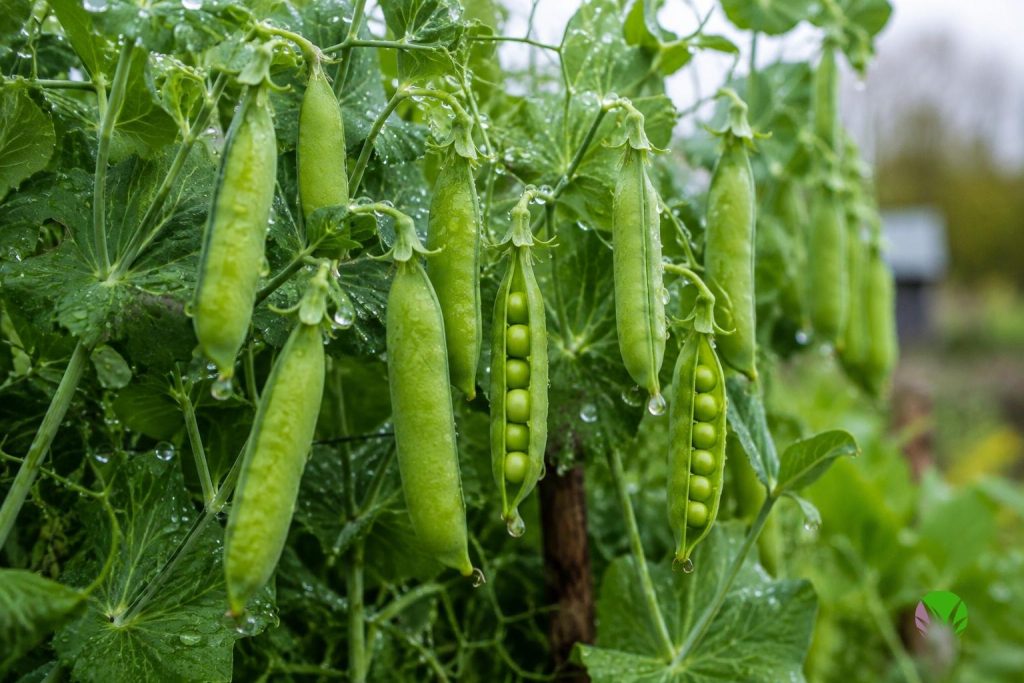
Here is the part that surprises people. Peas are a cool-season crop. They dislike heat, and in a hot summer a spring-sown crop often struggles the moment the temperature climbs, growing poorly, suffering mildew, and giving tough, starchy pods. A late crop that does its main growing as the weather cools into September dodges all of that. The plants romp away in the mild, damp conditions they actually prefer, and the pods that form are sweet and tender rather than mealy.
So a late sowing is not just a desperate gamble on beating the frost, it is genuinely playing to the pea’s strengths. The one thing you are trading is time: you need the crop to mature before the cold, whereas in spring you have the whole summer ahead. Get a fast variety in early enough and you get the best of both, cool growing conditions and enough season to finish.
Choose a Fast Early Variety
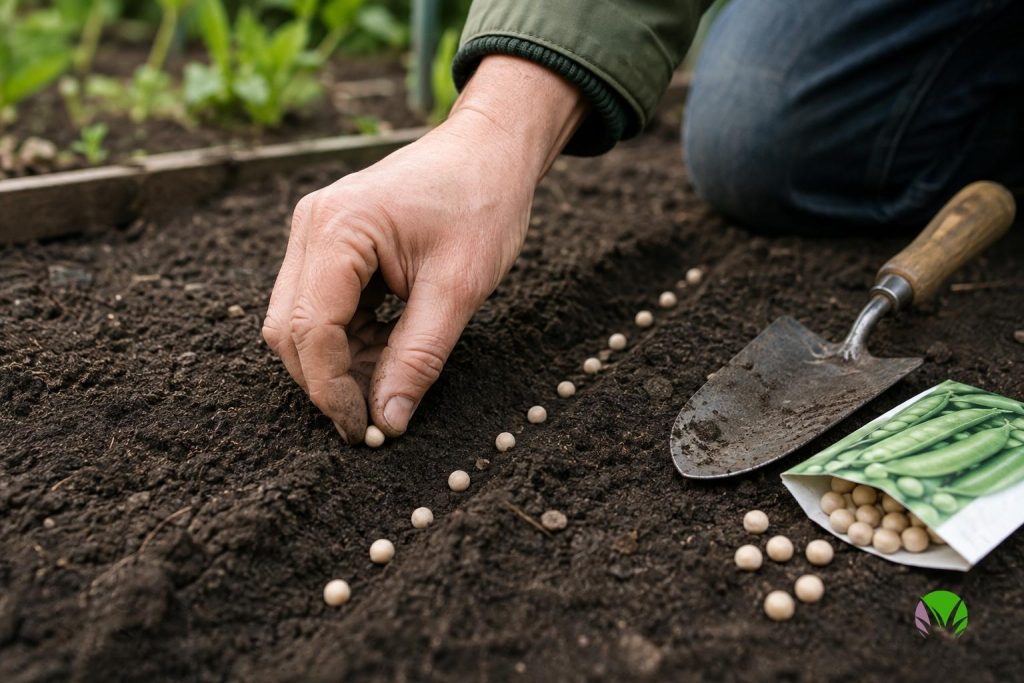
For any late sowing, variety choice is what makes or breaks it. You want a first early, round-seeded pea, the quickest type there is, maturing in around eleven to twelve weeks rather than the fourteen-plus of a maincrop. Old reliable names like Feltham First, Meteor and Kelvedon Wonder are exactly the sort to reach for, bred to be fast and hardy. Avoid the tall maincrop and marrowfat types now, as they simply take too long. A packet of quick early pea seed costs very little, which is part of why a late gamble is so worth taking: the downside is a couple of pounds and a bit of space, the upside is fresh October peas.
Those same hardy round-seeded earlies are the ones to use for the overwintering trick. Sown in late October or November in a sheltered, well-drained spot, they sit through winter as small sturdy plants and race away in early spring to give you peas weeks before anything spring-sown. It is the one late sowing that is not a gamble at all, just a different plan.
Giving a Late Sowing Its Best Chance
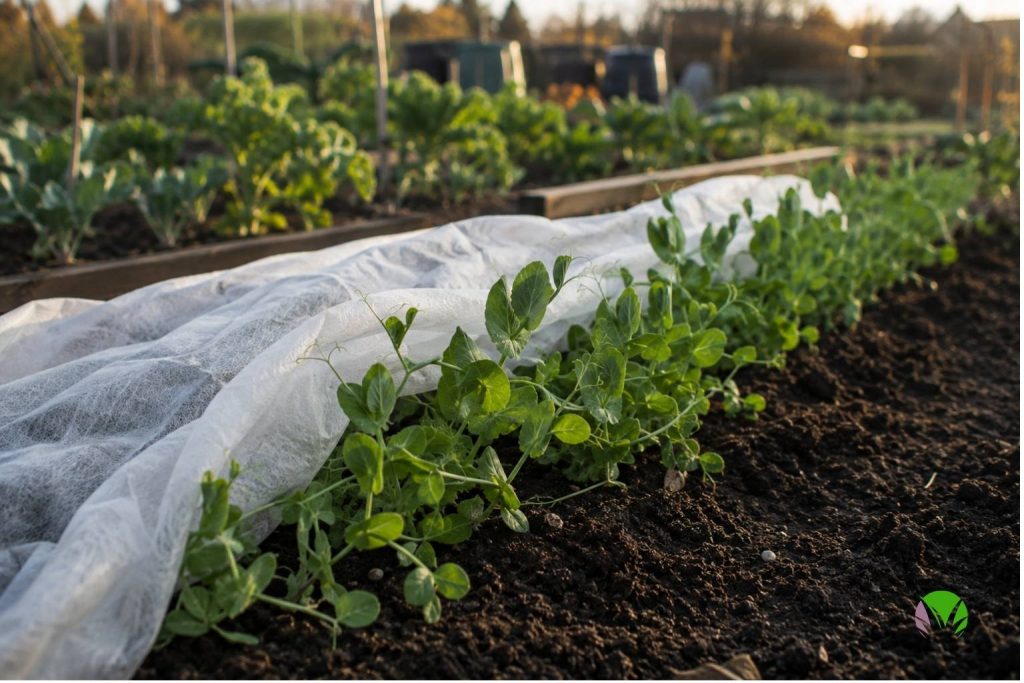
A few things tilt the odds in your favour when you are sowing late. Sow into moist soil and keep it watered, because late summer ground can be dry and peas need consistent moisture to germinate and swell their pods. Get supports in early, as even dwarf peas crop better with a few twiggy sticks or netting to climb. And protect the young shoots from birds and mice, which are the two great enemies of pea seedlings, with a bit of netting or some twiggy cover.
Most usefully of all, have some horticultural fleece to hand for the autumn. Thrown over the row on the first cold nights, it buys you a week or two of extra growing time and can be the difference between filled pods and a near miss. In a cold-frame or against a warm south-facing wall, a late crop does even better. Every little bit of warmth you can steal at the back end of the season counts when you are racing the frost.
If It Really Is Too Late, Sow This Instead
If you have reached late August in a colder part of the country and a pea crop this year looks unlikely, do not leave the ground bare. Late summer is prime time for fast salads and hardy leaves that will crop through autumn, so a row of the things that genuinely thrive now is a better use of the space. There is a full rundown in what to sow in August and what to sow in September.
And peas are far from the only crop people ask about at this time of year. The full picture of what can and cannot still go in is set out in the main guide to whether it is too late to plant vegetables, which covers every common crop at a glance. Beans are the closest relative worth checking, since runner beans and french beans follow slightly different late-season rules.
The Full Picture on Growing Peas
Whether you are gambling on a late crop or planning properly for next year, the wider detail on getting peas right is worth having. The best sowing windows through the whole year are laid out in when to plant peas, and peas sit alongside everything else in the vegetable planting calendar. If you are just getting started, the beginner’s guide and the general how to grow vegetables pages will set you up.
Peas are a forgiving, cheerful crop, and their willingness to grow well in the cool shoulders of the year is exactly what makes a late sowing worth trying. Whatever the calendar says, a spare row and a packet of fast earlies is rarely a wasted effort, and there are few nicer things in October than a handful of sweet peas you were told you had left too late to grow.
Is It Too Late to Plant Peas? Frequently Asked Questions
Is it too late to plant peas?
In the UK it is borderline in late summer but often worth a gamble. A quick early variety sown in July or very early August can still crop in October in milder areas. Past mid August a crop this year is unlikely except in the mildest gardens.
Is it too late to sow peas in July?
No, July is a good time for a late sowing. Peas sown in July crop from September into October across most of the UK, and it keeps the harvest going if you also sowed in spring. Use a fast early variety.
Can I still plant peas in August?
In early August, yes, as a gamble, especially in the milder south with a quick early variety. By late August it is realistically too late for a crop this year, though you can sow hardy peas in autumn to overwinter for spring.
How late can you sow peas in the UK?
For a crop the same year, early August is about the limit in the south and mid to late July further north. For an overwintering crop, hardy round-seeded peas can be sown in late October or November to crop early next spring.
Which peas are best for a late sowing?
Fast, first early, round-seeded varieties such as Feltham First, Meteor or Kelvedon Wonder. They mature quickest, in around eleven to twelve weeks, and are hardy. Avoid slow maincrop and marrowfat types for late sowings.
Do late-sown peas do better than spring peas?
Often yes. Peas are a cool-season crop that dislikes heat, so a late crop growing into the cooler, damper autumn frequently does better than a spring crop that hits summer heat, giving sweeter, more tender pods.
Can you sow peas in autumn to overwinter?
Yes. Hardy round-seeded early varieties sown in late October or November in a sheltered, well-drained spot overwinter as small plants and crop weeks earlier than spring sowings. This is a reliable plan, not a gamble.
What can I sow instead if it is too late for peas?
Fast salads and hardy leaves that thrive in autumn: lettuce, rocket, radishes, spinach, spring onions and oriental leaves. These are ideal for late summer sowing and will crop through autumn when peas no longer can.
A Sensible Place to Start
If you are reading this in July or early August wondering whether to bother, my advice is simple: bother. Get hold of a packet of a fast first early pea, sow a short row into moist soil this week, and give it a fair go. The cost is trivial and the cool autumn conditions are on your side more than you would think.
If the calendar has slipped past mid August, switch tack. Either sow fast salads and hardy leaves now for an autumn harvest, or note down the overwintering pea trick for late autumn, which gives you the earliest peas of all next year. Whichever you choose, the ground need never sit empty, and peas will be back in the plan before you know it.