
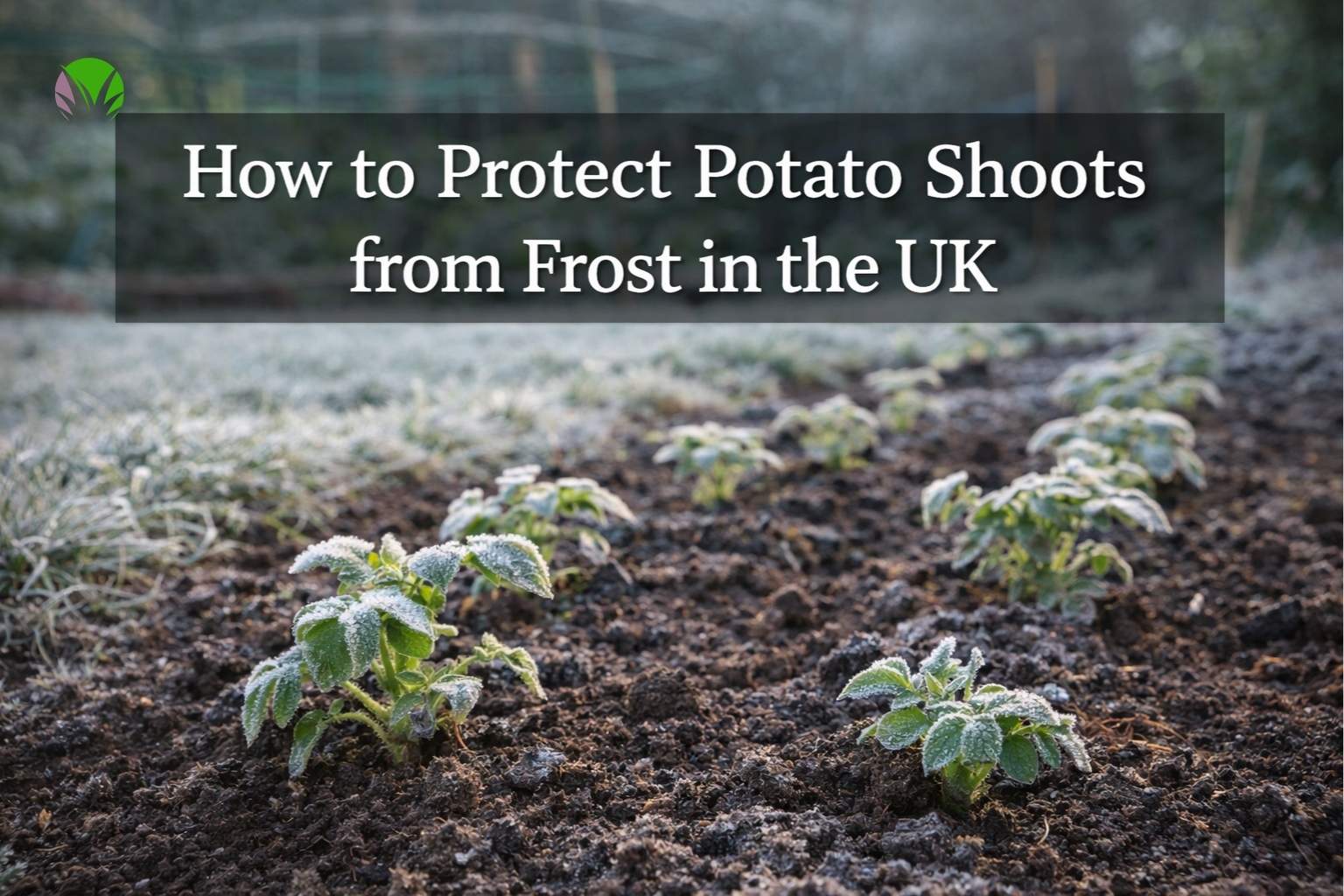
Potatoes are one of the easiest and most rewarding crops to grow in a UK garden, but their early shoots are vulnerable to frost.
This catches a lot of beginners out. You plant at the right time, the first green growth appears, and then one cold night leaves the tops blackened, limp, or collapsed. It looks dramatic, and it is very easy to assume the whole crop has been ruined.
Usually, it has not.
Potatoes are tougher than they look, and light frost damage to the shoots does not always mean the plant is finished. But repeated frosts, badly exposed growth, or unprotected early shoots can slow the crop down and reduce how strongly it gets going.
This is why frost protection matters so much in spring.
In the UK, potatoes are often planted while cold nights are still possible. In the UK, potatoes are often planted while cold nights are still possible. If you want to check how late frost may still be a risk in your area, use the UK Last Frost Dates by Postcode guide.
That is normal. The problem is not growing potatoes early. The problem is forgetting that the first top growth may appear before the weather has properly settled.
In this guide, we’ll look at how to protect potato shoots from frost in the UK, what frost damage looks like, and what to do if your plants have already been caught.
If you want the wider growing guide as well, read How to Grow Potatoes Successfully in the UK.
Quick Answers
Can frost damage potato shoots?
Yes. Potato shoots are tender and can be damaged by spring frost, especially when they are newly emerged.
Will frost kill potato plants completely?
Not always. Light frost often damages the top growth but the plant can regrow from below ground.
How do you protect potato shoots from frost?
The simplest methods are earthing up, covering with fleece, and checking the forecast during cold spring spells.
Should you cover potatoes every night?
No. Usually only during nights when frost is expected or likely.
What do frost-damaged potato shoots look like?
They often turn black, limp, dark green, or water-soaked after a cold night.
Why Potato Shoots Are at Risk in the UK
Potatoes are often planted early in the UK because they are a cool-season crop and need a decent run of time to develop well.
That is fine, but it means the first shoots often appear while spring weather is still unreliable. Warm days can encourage growth, then cold clear nights can catch the new foliage before the garden has fully moved out of frost season.
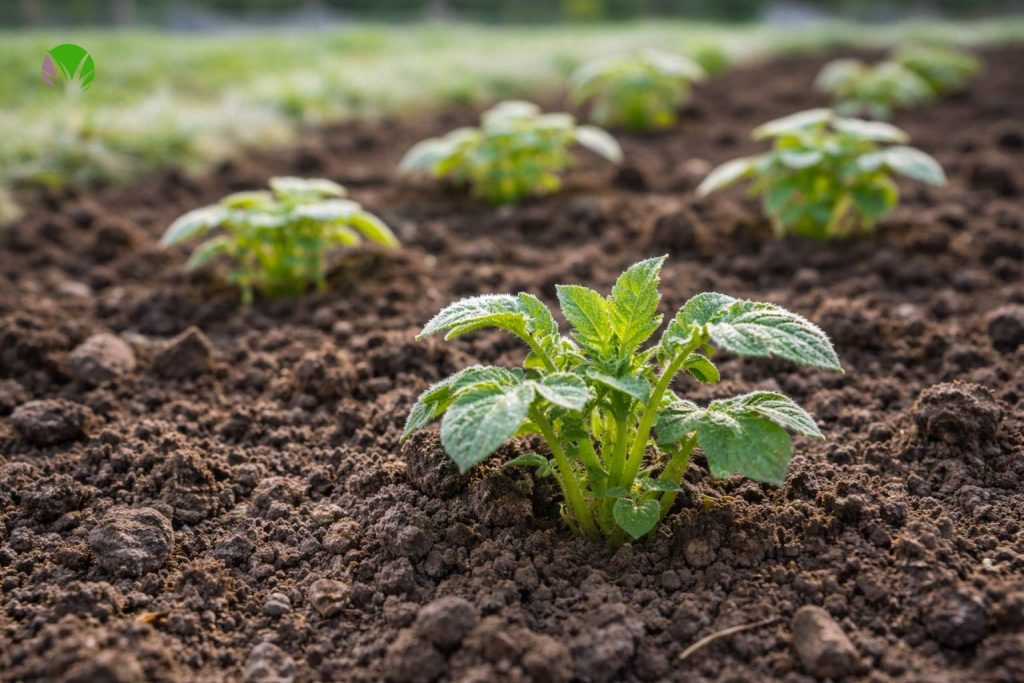
This is especially common in March, April, and early May.
It can also be worse in exposed gardens, frost pockets, and lower-lying areas where cold air settles overnight. A garden can feel mild by day and still produce a hard cold dip near dawn.
This is one reason timing in UK gardens is about more than the calendar alone.
If you want the wider seasonal picture, read When to Plant Potatoes in the UK and When to Plant Vegetables in the UK.
What Frost Damage on Potatoes Looks Like
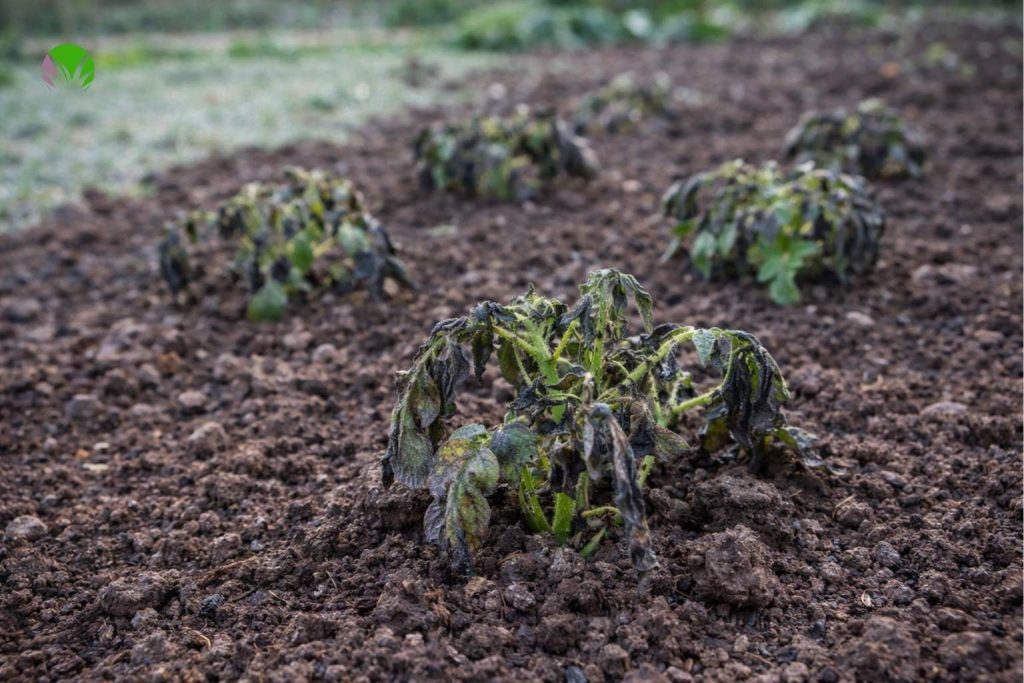
Frost-damaged potato shoots usually look obvious once the temperature rises again.
The leaves and stems may turn black, dark green, limp, or slightly translucent. Sometimes the tops collapse altogether and look as if they have been scorched.
It can look worse than it really is.
The damage is usually most visible on the exposed top growth. If the underground part of the plant is still healthy, potatoes can often push up fresh new shoots after the damaged growth is removed or dies back naturally.
The important thing is not to panic too quickly.
One frosted top does not automatically mean the plant or the crop is lost.
Does Frost Always Ruin the Crop?
No, not always.
Light frost damage is often a setback rather than a disaster. Potatoes can regrow, especially if only the emerging shoots or upper leaves were affected. What usually suffers most is momentum. The plant may need time to replace damaged top growth before it gets back into steady development.
More serious or repeated frost can be more damaging.
If the plant is hit hard several times, early growth is repeatedly checked, and the crop can become slower and weaker than it should have been. That is why protection matters most when the shoots are first appearing.
The Best Way to Protect Potato Shoots
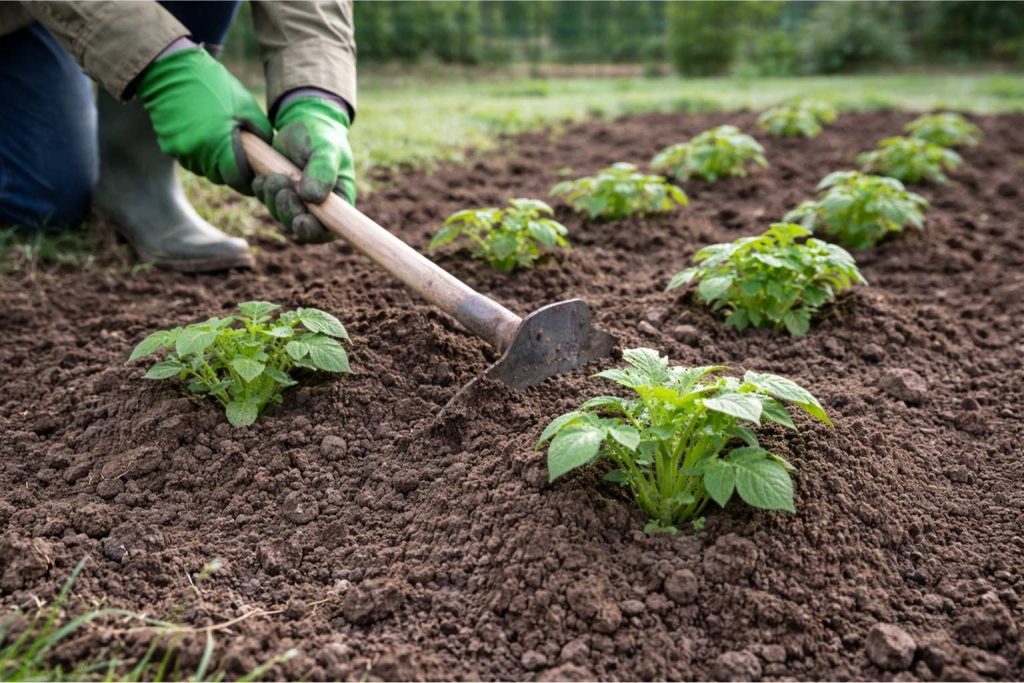
The simplest and best method is earthing up.
This means drawing soil up around the stems so the vulnerable lower growth is covered. It protects the shoots from frost and also helps keep developing tubers covered later on.
For many UK gardeners, this is the most practical answer because it is quick, cheap, and effective.
If frost is forecast and the shoots are only just through, covering them with extra soil often gives enough protection to stop the worst damage.
You do not need to wait until the plants are large.
In fact, early action is often the whole point. Once the shoots are well exposed, they are much more vulnerable.
Using Fleece to Protect Potatoes
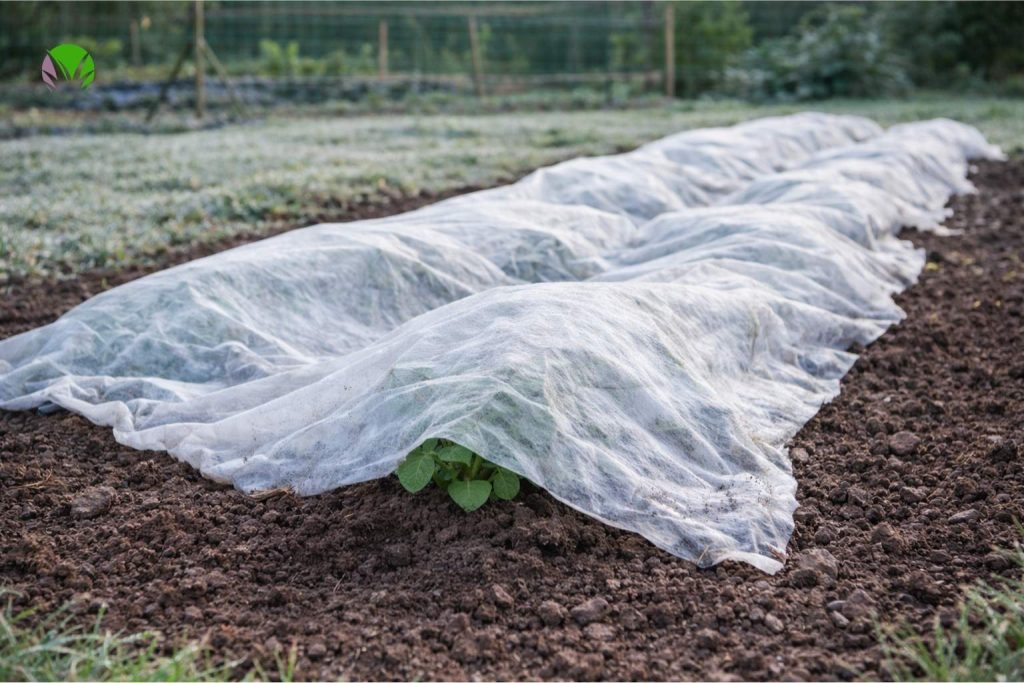
Garden fleece is another very useful option.
If you already have rows up and growing, fleece can be laid over them during cold nights to take the edge off frost. This is especially useful if earthing up alone is not enough or if you are trying to protect a larger bed quickly.
Fleece works best when put on before the cold night arrives, not after the damage is done.
It does not have to be complicated. The goal is simply to create a protective layer that reduces how sharply the temperature drops around the plant.
If you are growing in bags, containers, or smaller beds, fleece can be especially helpful because those setups can cool down faster than open ground.
Can You Use Straw, Buckets, or Other Covers?
Yes, in many gardens you can.
Temporary covers such as straw, tubs, buckets, or overturned pots can help protect small amounts of growth during a cold snap. These are often useful when only a few shoots have appeared and you want a quick practical fix.
The main thing is to remove or loosen covers again once the risk passes, so the plants still get light and airflow.
You are trying to protect the shoots overnight, not smother them for days.
In the next part, we’ll cover when to start protecting potatoes, what to do after frost damage, and how to reduce the risk in future.
When Should You Start Protecting Potato Shoots?
You should start protecting them as soon as shoots are visible and frost is still possible.
This is the point many gardeners miss. They think frost protection only matters once plants are well up, but the earliest growth is often the most vulnerable. A few centimetres of green top growth is enough to be damaged if the night turns cold.
Checking the forecast matters here.
You do not need to cover potatoes every night for weeks on end. You just need to be alert during periods when clear cold nights are likely. In many UK gardens, the risk is highest in spring while daytime conditions are improving but nights still dip sharply.
If your garden is in a frost pocket, exposed area, or colder part of the country, be extra cautious.
Those small local differences often matter more than the general forecast.
What to Do if Potato Shoots Have Already Been Frosted
The first thing is not to rush into digging anything up.
Frost-damaged tops often look dramatic, but the plant below ground may still be perfectly alive. Give it a little time and watch what happens. If the roots and underground stem are healthy, new growth often emerges from below.
If the damaged top growth has clearly collapsed, you can leave it for a short while and then tidy it once you are sure what is dead.
There is no benefit in panicking and lifting the crop too early. In most cases, patience is the better response.
Once the damaged shoots are dealt with, protect any fresh new growth if more frost is expected.
This is important because a plant that is trying to recover does not need another setback straight away.
Should You Cut Off Frost-Damaged Leaves?
Usually, only once it is clear they are properly damaged.
If leaves are blackened, limp, and obviously not recovering, they can be removed or left to die back naturally before tidying. If there is still some doubt, it is often better to wait a little rather than cut too quickly.
The plant will usually tell you what has survived and what has not.
New growth coming through is a good sign that the main plant is still active below ground.
Do Potatoes in Bags and Pots Need More Frost Protection?
Yes, often they do.
Potato bags, tubs, and containers can be more vulnerable because the compost and root zone warm up and cool down faster than open ground. That makes them especially responsive to spring weather swings.
If you are growing potatoes this way, it is worth keeping fleece or another temporary cover nearby during risky periods.
You can also move smaller containers to a more sheltered position if needed, which is one advantage of growing in pots or bags.
If you use containers a lot, it also helps to read Can You Grow Vegetables in Pots in the UK?.
How to Reduce the Risk of Frost Damage in Future
The best way is to combine good timing with simple protection.
You do not need to avoid early potatoes altogether. You just need to expect that early growth may need help. Earthing up, watching the forecast, and keeping a few covers ready usually solves most of the problem.
Avoid planting in the coldest, most exposed part of the garden if you can help it.
And if your garden is known for catching late frosts, it can be worth delaying very early plantings slightly rather than rushing to be first.
This is the same wider principle behind many spring gardening decisions in the UK. A slightly later start in better conditions often gives stronger, steadier growth.
Are Some Potatoes More Vulnerable Than Others?
Early potatoes usually face the greatest frost risk simply because they are up sooner.
That does not make them a bad choice. It just means they are more likely to meet unsettled spring weather while still tender. Maincrop potatoes often emerge later when the risk has begun to drop, though that depends on planting time and region.
The real issue is usually timing and exposure rather than one variety being inherently weak.
Is It Better to Delay Planting Potatoes to Avoid Frost?
Sometimes, but not always.
Delaying can reduce the chance of frost damage to the first shoots, but it also shortens the growing season. For many gardeners, the better answer is to plant at a sensible time and be ready to protect the crop if cold nights return.
This is especially true for first earlies.
If you delay too much, you can lose the very advantage that makes early potatoes appealing in the first place.
Quick Signs Your Potatoes Are Recovering
Good signs include:
fresh green shoots appearing from lower down,
firm stems below the damaged part,
and the plant starting to look active again within a short time.
If that happens, the crop is usually back on track, even if it has lost a little time.
Frequently Asked Questions
Can frost damage potato shoots?
Yes, potato shoots are tender and can be damaged by spring frost, especially when they have only just emerged above the soil.
Will frost kill potato plants completely?
Not always. Light frost often damages the top growth, but the plant below ground can still be alive and able to produce fresh shoots.
What does frost damage on potatoes look like?
Frost-damaged potato shoots often turn black, dark green, limp, or slightly translucent after a cold night. The tops may look scorched or collapsed.
How do you protect potato shoots from frost?
The simplest methods are earthing up soil around the shoots, covering rows with fleece, and using temporary covers on nights when frost is expected.
Should I cover potatoes every night?
No. You usually only need to protect them on nights when frost is forecast or likely, especially while the shoots are young and exposed.
What should I do if my potato shoots have already been frosted?
Do not rush to dig them up. In many cases the plant below ground is still healthy and can produce new growth. Wait a little and watch for recovery.
Can potatoes recover from frost damage?
Yes, they often can. Light frost damage is usually a setback rather than the end of the crop, especially if the plant is protected from further cold afterwards.
Should I cut off frost-damaged potato leaves?
Usually only once it is clear they are properly damaged. If the leaves are blackened and collapsed, they can be tidied away later, but it is often best to wait briefly first
Are potatoes in bags or pots more at risk from frost?
Yes, they often are. Containers warm up and cool down faster than open ground, so the plants can be more exposed to sudden spring temperature drops.
Is earthing up enough to protect potatoes from frost?
Often, yes. Earthing up is one of the best and simplest ways to protect emerging shoots, especially during light spring frosts.
Is it better to delay planting potatoes to avoid frost?
Sometimes, but not always. Delaying can reduce frost risk, but it also shortens the growing season. In many gardens it is better to plant at a sensible time and be ready to protect the shoots.
When is frost most likely to damage potato shoots in the UK?
The main risk period is usually in spring, especially through March, April, and early May when daytime growth starts but cold nights are still possible.
A Sensible Place to Start
If you want to protect potato shoots from frost in the UK, keep it simple.
As soon as shoots appear, stay aware of the forecast. Earth up plants when needed, use fleece or temporary covers on risky nights, and do not panic if frost catches the tops once. In many cases, potatoes recover well if the damage is light and the plant is protected afterwards.
The real aim is not to eliminate every risk. It is to stop a normal spring cold snap from turning into repeated setbacks.
If you want to build from here, the most useful next reads are:
How to Grow Potatoes Successfully in the UK
When to Plant Potatoes in the UK
When to Plant Vegetables in the UK
Can You Grow Vegetables in Pots in the UK?